

How to choose between a candle and a wax melt for your space
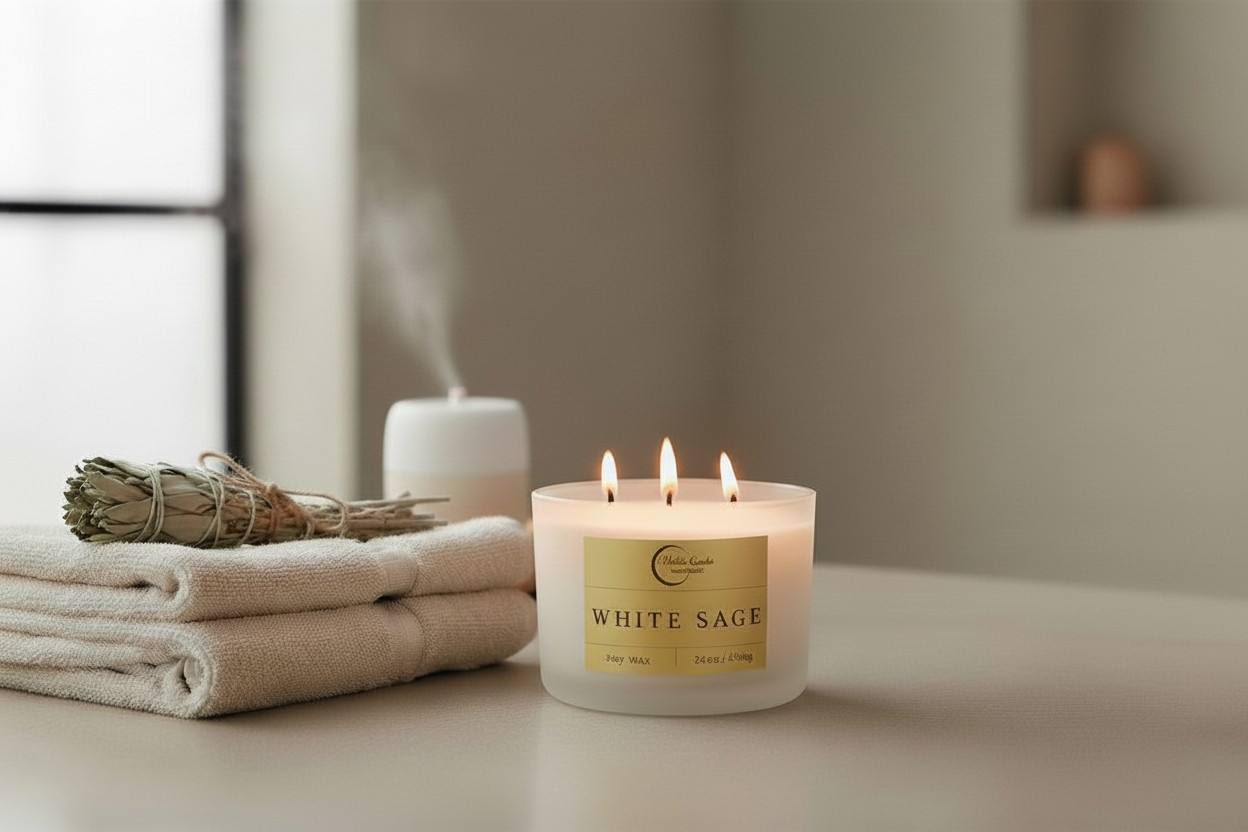
Choose a candle when you want visible flame and can stay nearby; choose wax melts in an electric warmer when you want fragrance without an open flame. A tealight-powered wax warmer still uses a flame, so it does not offer that same distinction. For your 2026 room setup, choose the heating method first, then match the scent and placement to how you actually use the space.
TL;DR
Candle vs wax melt for room: choose candles for candlelight, electric wax warmers for fragrance without an open flame.
Electric wax warmers still create heat; follow the warmer’s instructions and keep them away from children and pets.
Neither candles nor wax melts automatically provide stronger fragrance; formulation, heating, airflow, and room layout all matter.
Maddox Candles offers candles and wax melts for home fragrance shoppers comparing these formats.
Why this matters
The wrong format creates friction even when you love the fragrance. A candle needs a suitable burning spot and your attention; an electric wax warmer needs a suitable power source, a stable surface, and care around hot wax.
Maddox Candles offers both formats, so start with your routine rather than assuming one is always better. If your main frustration is weak fragrance, the guide to making a candle’s scent fill a whole room addresses a different question from whether you want a flame.
How do you choose between a candle and a wax melt for your space?
Choose the format you can use comfortably and supervise properly in that room. Candlelight is a reason to choose a candle, not proof that the candle will scent a room more effectively.
Use this comparison before choosing a fragrance for your 2026 home routine:
Format | Best for | Main advantage | Main limitation |
Candle | An attended evening when candlelight matters | Fragrance and visible flame together | Requires flame precautions and wick care |
Wax melts with an electric warmer | Fragrance when you do not want an open flame | Heats scented wax without a burning wick | Requires power; the warmer and wax become hot |
Wax melts with a tealight warmer | An attended setting where you accept a flame | Uses a tealight to heat a separate dish of wax | Still requires flame precautions and warmer care |
A wax melt is not automatically a flameless choice. The warmer determines whether a flame is involved, and that distinction matters more than the shape of the wax.
Only the electric warmer removes the open flame from this comparison.
Start with your room, not the scent name
Check the rules. Confirm whether your lease, workplace, or shared-space policy permits candles or heated fragrance devices. A ban on candles does not automatically mean a warmer is permitted.
Choose the heating method. Decide whether you want a burning wick, an electric warmer, or a tealight warmer. Be explicit about whether avoiding flame is your priority.
Choose a stable location. Look for a level, heat-resistant surface away from combustible objects and places where someone can knock the item over.
Match your routine. Think about whether you will remain in the room, remember to switch off or extinguish the device, and maintain it as directed.
Choose the fragrance last. Pick a scent you enjoy, then assess it in the actual room before adding more fragrance sources.
This order prevents a common mismatch: choosing a lovely scent before discovering that its format does not fit the space. A crowded desk and an open side table do not offer the same placement choices.
Candle: best for an attended candlelight ritual
Choose a candle when the flame is part of the experience. Reading on the sofa or sitting down for a quiet evening gives candlelight a purpose beyond releasing fragrance.
The trade-off is active care. You need to maintain the wick, protect nearby objects, and extinguish the candle before leaving the room or going to sleep.
Best for: people who want visible candlelight and will stay nearby. Not the right fit: a bedside routine that continues after you fall asleep, or a location where you cannot maintain a clear area around the flame.
Do not buy a candle solely because you assume it will smell stronger than a wax melt. Fragrance performance depends on the particular candle and the conditions around it, not just the presence of a wick.
Electric wax warmer: best for fragrance without an open flame
Choose wax melts with an electric warmer when fragrance matters more than candlelight. You get heated scented wax without lighting a wick, provided the device is actually electric rather than tealight-powered.
That removes one hazard, not every hazard. Hot wax can spill, heated surfaces can burn, and an electrical device still needs correct placement and use according to its instructions.
Best for: people who want to avoid an open flame and have a suitable place for a powered warmer. Not the right fit: a reachable edge, an unstable shelf, or a setup where the cord creates a snagging hazard.
Before choosing this format, read the warmer’s directions for compatible wax, filling, operating time, and cleaning. Do not assume that instructions for a different warmer apply to yours.
Tealight wax warmer: best for people comfortable with flame care
A tealight warmer separates the fragrance wax from the burning candle beneath it. It is still a flame-based setup, even though the scented wax itself has no wick.
The advantage is that you can use wax melts without an electric heating element. The limitation is that you must manage both the tealight flame and the heated dish above it.
Best for: an attended setup where you specifically want a tealight warmer. Skip this format if your main goal is eliminating an open flame. Calling wax melts flameless without naming the warmer leaves out the deciding detail.
Let the warmer cool before handling or cleaning it as directed. Do not move a lit warmer to chase a stronger scent elsewhere in the room.
Why fragrance strength varies
Neither format guarantees stronger fragrance. When comparing a candle and wax melts in your 2026 room plan, assess these factors rather than treating the format as a performance rating:
Fragrance formulation: different fragrance materials and formulas behave differently when heated. A familiar scent name does not establish equal strength across products.
Heat source: a candle flame and a warmer heat wax differently. Use each product with the heating method intended for it.
Room layout: an enclosed room and an open-plan space give fragrance different areas to spread through. Do not assume a result in one room transfers to another.
Air movement: drafts and ventilation affect where scent travels. Keep candles away from drafts rather than using a breeze to spread their fragrance.
Your response to scent: comfort is personal. A fragrance that feels gentle to one person can be distracting or unpleasant to another.
Start with a single fragrance source so you can judge the result. Adding several scents at once makes it harder to identify which one you enjoy—or which one you need to remove.
If you stop noticing a scent, ask someone entering the room before adding more. Repeated exposure can reduce your awareness of an odor even while it remains noticeable to someone else.
Match the format to the room’s routine
Living room: choose by how you spend the evening
A candle suits a seated, attended evening when you want its light. An electric warmer suits a fragrance-focused setup when you do not want a flame, subject to its operating instructions.
Neither belongs where curtains, throws, or passing hands can reach it. Plan the location before arranging decorative objects around it.
Bedroom: plan for sleep before choosing fragrance
A candle belongs only in the awake, attended part of your bedtime routine. Extinguish it before you become drowsy rather than relying on remembering at the last moment.
An electric warmer is not permission to ignore the manufacturer’s operating limits. Follow its directions, and do not assume that a timer makes overnight use appropriate.
Office: check permission and desk space
Confirm your workplace rules before bringing in any fragrance device. Also consider whether other people share the air; a scent you enjoy can be unwelcome at the next desk.
At home, keep heated fragrance away from papers, cables, and the edge of your work surface. If you cannot create a suitable location, choose neither format for that desk.
Use a safety checklist before switching on or lighting
The National Candle Association’s published candle-safety guidance recommends trimming a candle wick to 1/4 inch before burning and keeping candles at least 12 inches from anything that can burn. It also advises against burning a candle longer than 4 hours at a time; follow the candle manufacturer’s directions, including any shorter limit.
Keep those checks in your 2026 candle-care routine, but do not treat the numbers as a substitute for supervision. Never leave a burning candle unattended, and extinguish it before leaving the room or sleeping.
For a warmer, follow the device’s instructions rather than transferring candle rules to an electrical appliance. Keep hot wax and heated surfaces away from children and pets, and let the device cool before handling it as directed.
Choose a clear, stable location before lighting a candle.
Will a wax melt make my room smell stronger than a candle?
A wax melt does not automatically smell stronger than a candle. The fragrance formula, warmer, candle design, room layout, and airflow all affect what you notice.
Compare the actual products under their intended conditions. Do not add extra wax beyond the warmer’s instructions to compensate for a result you dislike.
Can I use either option around children or pets?
Neither option should sit within reach of children or pets. Candles introduce a flame, while wax warmers introduce hot wax and heated surfaces; electric models can also have accessible cords.
Avoid treating either format as universally suitable for every household member. If fragrance causes discomfort or you have a specific animal-health concern, stop using it and seek appropriate professional advice.
FAQ
What’s the best candle vs wax melt for room choice in 2026?
Choose a candle for attended candlelight, or wax melts with an electric warmer when you want fragrance without an open flame. A tealight warmer still uses a flame, so check the heating method before deciding.
Are wax melts safer than candles?
Wax melts in an electric warmer avoid an open flame, but they still involve heat and hot wax. Follow the device’s instructions and keep the warmer away from children, pets, and unstable surfaces.
Can I leave a wax warmer on while I sleep?
Do not assume a wax warmer is suitable for use while you sleep; follow its manufacturer’s operating and supervision instructions. Never leave a tealight-powered warmer burning while you sleep.
Do candles or wax melts last longer?
Neither format has a universal duration advantage. Candle size, wax quantity, fragrance formulation, and the heating method affect useful life, so compare the specific product instructions rather than the category alone.
How short should I trim a candle wick?
Trim a candle wick to 1/4 inch before burning, following the National Candle Association’s published guidance and the candle’s instructions. Remove wick trimmings and debris before lighting.
How far should a candle be from things that can burn?
Keep a candle at least 12 inches from anything that can burn, following the National Candle Association’s published guidance. Use a stable, heat-resistant surface and keep the flame away from drafts.
Can I put candle wax in my wax warmer?
Use only wax that your warmer’s instructions permit. Do not assume leftover candle wax is compatible with a device designed for wax melts.
One last thing
Maddox Candles is best for home fragrance shoppers choosing among candles, wax melts, and reed diffusers. For this decision, the most useful question is not which format wins overall; it is whether you actually want a flame in that particular room.
Before buying your next fragrance in 2026, choose its exact location and decide when you will turn it off or extinguish it. If you cannot answer both questions comfortably, change the setup before choosing the scent.


Comments