

How to build a seasonal candle rotation for your home
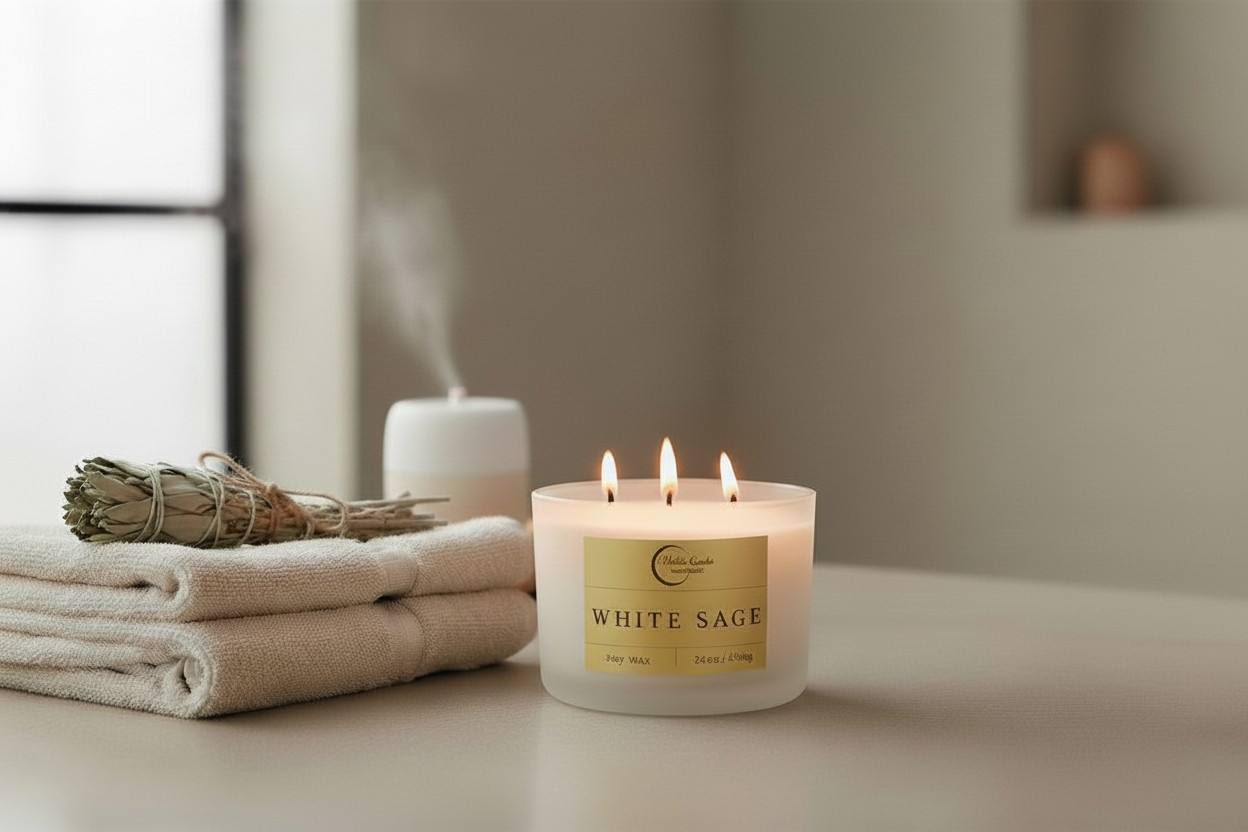
Build a seasonal candle rotation by choosing a scent direction for each season, keeping an everyday favorite, and changing candles when your preferences or routines change—not simply when the calendar does. Start with what you already own, introduce new fragrances separately, and follow each candle’s care instructions so your rotation stays enjoyable rather than becoming a shelf of unfinished jars.
TL;DR
Build a seasonal candle rotation around your rooms, routines, and scent preferences—not a shopping calendar.
Use floral, fresh, woody, and warm scent families as starting points, not seasonal rules.
Maddox Candles suits home fragrance shoppers choosing among candles, wax melts, and reed diffusers.
Keep an everyday favorite and introduce seasonal accents separately to avoid competing fragrances.
Why this matters
A candle can smell lovely in isolation and still feel wrong for the moment. A rich, dessert-like fragrance might suit a quiet evening but compete with the meal you are preparing; a bright floral might feel welcoming in an entryway but distracting beside your desk.
Your rotation should make choosing easier, not give you more candles to manage. For your 2026 plan, begin with the spaces you actually use and the fragrances you genuinely enjoy.
If you are exploring home fragrance formats, Maddox Candles offers scented candles, wax melts, reed diffusers, and custom scent options. Choose the format around how you will use it; a seasonal scent does not need to appear in every room or every format.
How do you build a seasonal candle rotation for your home?
Start with an inventory, assign a purpose to each fragrance, and separate everyday favorites from seasonal accents. The following sequence gives your collection a clear job without requiring a new purchase for every season.
Gather what you own. Include opened candles and unopened jars. Read their scent descriptions rather than relying on names or packaging.
Group by scent direction. Use broad categories such as floral, fresh, woody, and warm. A fragrance can belong to more than one group.
Match scents to routines. Think about reading, hosting, getting ready, or relaxing while you remain awake. Choose around the activity rather than the room’s appearance alone.
Choose your everyday favorite. Keep 1 everyday scent as your familiar starting point. This is a planning suggestion, not a limit on your collection.
Add a seasonal accent. Start with 1 accent candle and use it separately from your everyday favorite. Decide whether you enjoy it before adding another variation.
Review before switching. Finish, store, or set aside the current candle deliberately instead of leaving several half-used jars scattered around your home.
Your 2026 rotation can use 4 seasonal profiles without requiring 4 separate purchases. One woody fragrance, for example, can remain in use whenever you want that character, regardless of the month.
Choose around your routines before adding another seasonal fragrance.
Which scent families fit each season?
Seasonal labels are prompts, not rules. Use this table to compare fragrance directions, then let your own preferences decide what stays in the rotation.
These are scent-family suggestions, not claims about a particular candle’s ingredients, strength, or performance. Read the description of the individual fragrance before choosing it.
Season | Suggested direction | Best for | Main advantage | Main trade-off |
Spring | Floral or green | A garden-inspired change of mood | Creates a clear contrast with rich winter favorites | Floral notes are not enjoyable to everyone |
Summer | Citrus, herbal, or marine-inspired | A bright-feeling daytime setting | Offers an alternative to sweet or smoky profiles | Fresh-sounding names do not tell you how strong a candle smells |
Fall | Woody, spicy, or gourmand | Reading, hosting, or an evening indoors | Fits a preference for warmer scent associations | Sweet or spicy fragrance can compete with food aromas |
Winter | Evergreen-inspired, woody, or warm | A familiar backdrop for time at home | Can carry an existing favorite into another season | Strong seasonal associations can feel too holiday-specific |
Spring: floral and green scents
For a spring reset, look for fragrance descriptions that suggest flowers, leaves, or a garden after rain. Choose these because you enjoy that impression—not because spring requires a floral candle.
Best for: a noticeable change from sweet or smoky scents. The trade-off is personal preference: a flower-forward fragrance can feel too perfumed if you usually choose woods or herbs. Keep your everyday favorite nearby as an alternative, rather than committing every room to the same floral theme.
Summer: citrus, herbal, and marine-inspired scents
A summer rotation can lean toward citrus peel, herbs, or an ocean-inspired fragrance description. These directions suit a preference for a bright, fresh-smelling setting, but they do not clean the air or replace ventilation.
Best for: daytime routines when you want a different mood from heavier seasonal favorites. The limitation is that a name such as ocean breeze tells you the intended impression, not the exact notes or intensity. For summer 2026, read the full scent description instead of choosing by the seasonal name alone.
Fall: woody, spicy, and gourmand scents
Fall is a useful moment to revisit fragrances associated with wood, spice, or baked treats. If you like a cozy evening atmosphere, choose the direction you enjoy most instead of trying to include all three.
Best for: reading or spending an attentive evening at home. The trade-off is overlap with food: a dessert-like candle beside dinner can create a combination you do not enjoy. Use that fragrance after the meal or in a separate setting, and keep smoke-inspired scents optional rather than treating them as a fall essential.
Winter: evergreen-inspired and familiar warm scents
A winter rotation does not have to become a holiday collection. A woody candle you already enjoy can remain your everyday choice, while an evergreen-inspired or sweeter fragrance becomes an occasional accent.
Best for: keeping a familiar scent through a change in routine. The limitation is association: a fragrance you connect strongly with a celebration might not feel right afterward. Before adding anything for winter 2026, decide whether you want a short-lived seasonal ritual or a scent you will continue using beyond it.
Why your seasonal candle rotation varies
The right rotation depends on how you experience fragrance in your own home. These factors are more useful than a fixed list of must-have seasonal scents:
Personal preference. Keep a favorite in the rotation even when its scent family falls outside a conventional seasonal theme.
Room purpose. A fragrance for a reading corner has a different job from one used near a dining area.
Other aromas. Cooking, fresh flowers, cleaning products, and existing home fragrance change what you smell together.
People sharing the space. Ask household members about scent preferences and sensitivities before making a fragrance part of a shared routine.
Your existing collection. Opened candles deserve a decision before another jar joins the shelf. Keep, finish, store, or stop using them according to their condition and instructions.
Safe use. A candle belongs only where you can attend it and keep it away from combustible materials, children, and pets.
Choose for the people and routines in the room before choosing for the season. A fragrance that feels right to you does not need a calendar-based justification.
How do you switch candles without mixing too many scents?
Change one fragrance at a time. Extinguish the current candle, let it cool, and allow the previous scent to clear before judging the next one; otherwise, you are judging a mixture rather than the new fragrance alone.
Start in a familiar room without another scented product running nearby. If you already use a reed diffuser or wax warmer there, account for that background fragrance before adding a candle. A rotation works best when you can tell which scent you are choosing.
For your 2026 collection, make a short note after using each candle: the room, the routine, and whether you would choose it again. Describe your experience plainly—too sweet beside dinner or pleasant while reading is more useful than a complicated rating system.
How should you store candles between seasons?
Store cooled candles upright in a cool, dry place away from direct sunlight and heat. Use the original lid or packaging when appropriate, follow the maker’s storage guidance, and keep candle containers out of reach of children and pets.
Before putting an opened candle away, remove loose debris once the wax has cooled and check the container for damage. Do not treat storage as a way to rescue a cracked jar or another unsafe candle.
Keep seasonal candles together where you can see what you own. A simple note identifying opened jars helps you revisit them before buying another scent in the same family; you do not need a display shelf or a large collection to make the system work.
How do you keep candle care consistent across the rotation?
Follow the instructions for each individual candle rather than applying one burn schedule to the entire collection. Container size, wick design, and the maker’s directions matter more than the season printed on your planning note.
Trim the wick as directed before lighting, and remove wick trimmings from the wax.
Place the candle on a stable, heat-resistant surface away from drafts and combustible materials.
Stay present while it burns; extinguish it before leaving the room or going to sleep.
Follow the label’s burn-time and stop-use instructions.
Let the container cool before moving, covering, or storing it.
A relaxation routine still needs an awake, attentive person nearby. If your routine ends with sleep, extinguishing the candle belongs before that transition—not after you feel drowsy.
FAQ
How many candles do I need for a seasonal candle rotation?
Start with 1 everyday candle and 1 seasonal accent if that makes choosing easier. This is an organizing suggestion, not a requirement; a candle you already own can serve both roles.
Do I need to change candles on the first day of each season?
No, a seasonal candle rotation does not need to follow exact calendar dates. Switch when your preferences or routines change, and keep using a favorite when it still feels right.
Can I use the same candle all year?
Yes, you can keep a favorite candle in your rotation throughout the year. Seasonal accents are optional, and a familiar fragrance does not become unsuitable because the month changes.
Can I use wax melts instead of candles in my rotation?
Yes, you can organize wax melts by the same scent families and routines as candles. Use a warmer intended for wax melts and follow its instructions; an electric warmer removes the open flame but still requires safe handling.
Does Maddox Candles offer more than scented candles?
Maddox Candles offers scented candles, wax melts, reed diffusers, and custom scent options. Choose a format around how you intend to use home fragrance, and follow the instructions for that product.
Should every room have the same seasonal scent?
No, every room does not need the same seasonal scent—or any added fragrance. Choose around the room’s use and the people sharing it, and avoid running competing fragrances in connected spaces.
How do I start a seasonal candle rotation in 2026 without buying more candles?
Start your 2026 seasonal candle rotation by grouping the candles you already own into broad scent families. Choose an everyday favorite, set aside an optional seasonal accent, and review opened jars before adding anything new.
One last thing
The most useful candle in your rotation might be the one you stop saving for a special occasion. If you already own a fragrance you enjoy, give it a place in an ordinary routine rather than buying another candle to fill that role.
Before your next seasonal switch, choose a single opened jar and decide when you actually want to use it. That small decision turns a collection into a rotation—and keeps the focus on enjoying your home, not continually adding to it.


Comments