

How to use a flameless candle warmer lamp safely
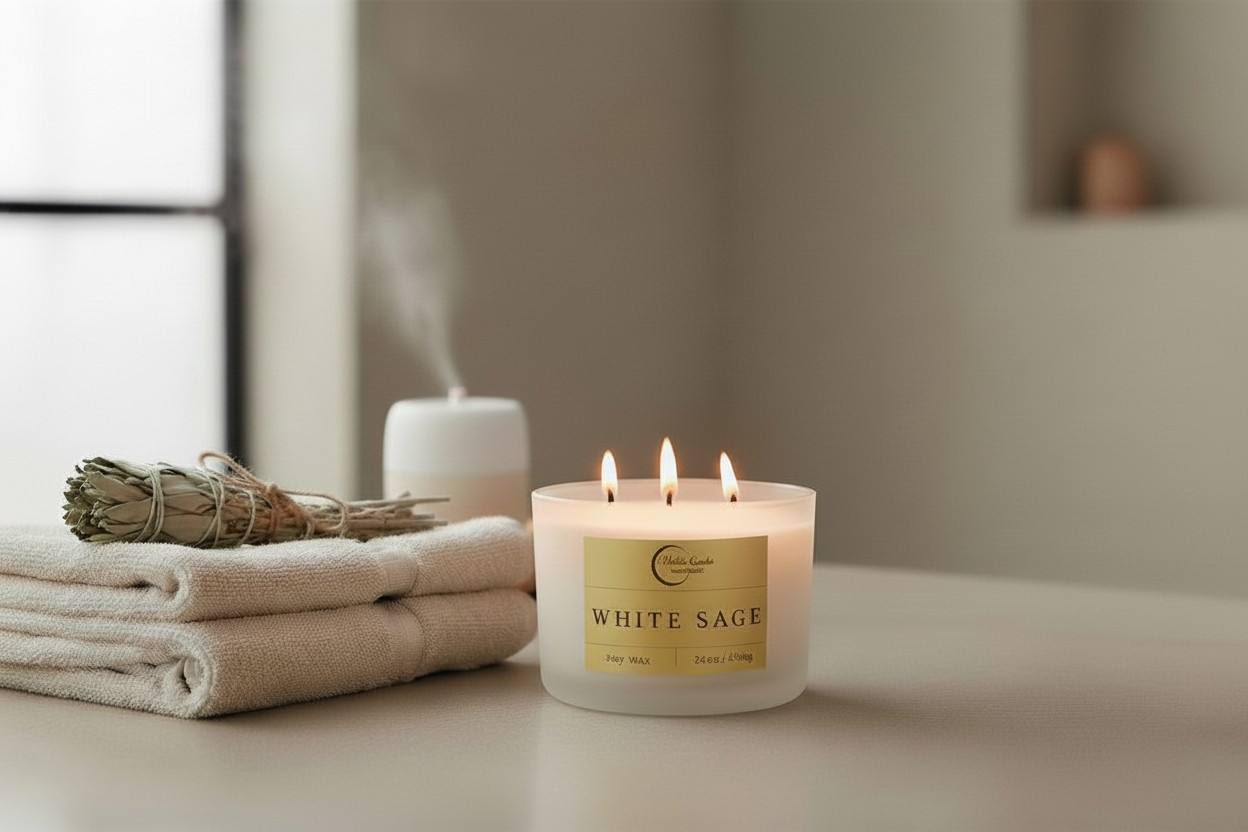
To use a candle warmer lamp safely in 2026, confirm that your lamp and candle container are suitable for warming, place them on a stable, heat-resistant surface, and follow the lamp’s instructions for clearance and heat settings. Remove the candle lid, keep the wick unlit, supervise the warmer, and switch it off before allowing the wax and container to cool completely. Flameless does not mean heat-free: the bulb, shade, container, and melted wax can still cause burns.
TL;DR
How to use a candle warmer lamp safely starts with the lamp manual and a compatible candle container.
Never light the candle wick while the candle warmer lamp is operating.
Keep hot wax, the bulb, and the cord away from children, pets, and combustible materials.
Maddoxcandles offers candles, wax melts, and reed diffusers; confirm candle compatibility before using a warmer lamp.
Why this matters
A candle warmer lamp removes the need for a burning wick, but it still puts heat close to wax, glass, and household furnishings. A cozy reading corner needs the same attention to placement as any other space containing a hot electrical appliance.
Maddoxcandles is best for home fragrance shoppers seeking a choice of candles, wax melts, and reed diffusers. Explore Maddoxcandles for those categories, but check the specific candle’s care instructions before pairing it with a warmer. A candle’s fragrance or wax blend does not establish that its container is suitable for lamp warming.
How do you use a flameless candle warmer lamp safely?
Use this 2026 safety checklist alongside the instructions supplied with your particular lamp. The manual takes priority over general advice about bulb spacing, operating time, and replacement parts.
1. Check compatibility
Read the lamp manual and the candle’s label before plugging anything in. Confirm the permitted container dimensions, required bulb, and any restrictions on candle materials or placement.
Inspect the candle container for cracks, chips, or damage. Do not heat a damaged container, and do not assume that decorative vessels, drinking glasses, or containers you filled yourself are suitable. If either manufacturer advises against warming, choose another fragrance method.
2. Clear the space
Choose a level, stable, heat-resistant surface where the lamp cannot easily be knocked over. Keep curtains, paper, bedding, dried flowers, and other combustible materials outside the clearances specified in the manual.
Leave the space above the lamp open as directed. Do not tuck a hot shade beneath a low shelf or drape a cord across a walkway. Keep both the appliance and its cable beyond the reach of children and pets.
3. Position the candle
With the lamp switched off and cool, remove the candle’s lid and any packaging. Center the container beneath the bulb, following the lamp’s positioning instructions.
Keep the wick unlit. Never use the lamp and a flame on the same candle at the same time, and do not place loose wax melts directly on the lamp base unless the appliance is specifically designed for that use.
4. Set the heat
Use only the specified bulb type and rating. If the lamp has an adjustable height or dimmer, follow its instructions rather than guessing a bulb-to-wax distance.
Start with the manufacturer’s recommended setting. Do not add foil, cover the shade, or improvise a reflector to increase heat. A fragrance that seems faint is not a reason to exceed the appliance’s limits.
5. Stay nearby
Keep the warmer under supervision while it operates. Do not use it while sleeping or leave it running when you leave home; a timer does not replace attention to the appliance.
Switch it off if you notice smoke, an electrical burning smell, a damaged cord, or unusual operation. Stop using a candle that develops container damage. Do not reach into melted wax or adjust a hot bulb.
6. Cool completely
Switch the lamp off when you finish, and follow its instructions about unplugging. Leave the candle in place until the wax has solidified and the container is cool enough to handle safely.
Do not carry a jar containing liquid wax through the house. Wait until the lamp is cool before cleaning it, changing its bulb, or making adjustments that require touching the shade or bulb assembly.
Safe warming starts before switching on and ends only after the candle and lamp have cooled.
What changes between fragrance methods?
A warmer lamp is not interchangeable with every other fragrance device. Choose the method that fits both the product instructions and the way you use the room.
Method | Best for | Main advantage | Main limitation |
Candle warmer lamp | Supervised fragrance without a lit wick | Heats a compatible candle without an open flame | Still creates hot surfaces and liquid wax; needs suitable placement |
Lit candle | People who want visible candlelight | Provides fragrance and the appearance of a flame | Requires flame precautions and active supervision |
Reed diffuser | People who want fragrance without heating wax | Does not require a bulb or a burning wick | Fragrance liquid can spill; placement must follow its label |
For Maddoxcandles home fragrance shoppers, the useful distinction is the format, not an assumption that every candle works with every warmer. Choose the fragrance method first, then verify the individual product’s instructions. A reed diffuser also needs careful placement; keep fragrance liquid away from children, pets, and surfaces the liquid could damage.
Why candle warmer results vary
There is no universal heat setting or session length for every lamp-and-candle pairing. These differences explain why another person’s routine is not a substitute for your equipment’s instructions:
Lamp design: Fixed-height and adjustable lamps position the heat source differently. Use only the adjustment range intended by the manufacturer.
Bulb specification: Bulb type and rating affect the appliance’s operation. A bulb that physically fits is not automatically an approved replacement.
Container shape: The vessel’s width and height affect its position under the bulb. Follow the lamp’s container requirements instead of forcing a tall or wide jar into place.
Wax and fragrance formulation: Different candle formulations do not necessarily release fragrance in the same way. A strong scent from one candle does not establish the right setting for another.
Room conditions: Air movement and room layout affect where fragrance travels. A drafty corner and a sheltered room will not distribute scent identically.
Previous use: A candle that has been repeatedly warmed can smell different from a fresh candle. Turning the heat up is not a reliable remedy for fading fragrance.
For help with distribution rather than appliance settings, read how to make a candle’s scent fill a whole room. Keep the safety setup unchanged while you assess where the fragrance is traveling.
How long should you leave a candle warmer lamp on?
Use the operating limit stated in your lamp’s manual, not a universal timer setting. Candle warmer lamps differ, and a safe session depends on the appliance, its placement, and the candle used with it.
For your 2026 routine, choose a time when you can remain nearby and switch the lamp off deliberately. If the manual specifies a maximum session, do not exceed it. If the operating instructions are unclear, ask the manufacturer before using the lamp rather than borrowing a duration from an unrelated model.
An automatic shutoff is a backup feature, not permission to sleep with the warmer running. Stop a session early whenever the appliance behaves abnormally or the fragrance becomes uncomfortable.
Can you use any candle under a warmer lamp?
No—use only a candle and container that meet the warmer’s instructions and the candle maker’s care guidance. A jar fitting beneath the shade does not establish heat compatibility.
Check the vessel’s dimensions and condition before every use. Keep lids, cardboard sleeves, and other packaging away from the heat source. Never add water, fragrance oil, essential oil, or other substances to a finished candle to change its performance.
Soy blend describes a wax formulation, not permission to heat any vessel with any lamp. The same compatibility check applies regardless of the scent you choose or the wax named on the label.
Can you leave a candle warmer lamp on overnight?
No—switch the candle warmer lamp off before sleeping. Without supervision, you cannot respond promptly to a knocked container, a damaged appliance, or another problem around the hot lamp.
Build the shutoff into your bedtime routine in 2026. Turn the lamp off while you are still awake, leave the jar undisturbed, and allow the wax and surrounding parts to cool. If you want bedroom fragrance without heated wax, consider a nonheated format and follow its own safety label.
What should you do when the scent fades?
First, switch the warmer off and let everything cool. Check that the lamp has the correct bulb and that the candle remains positioned according to its instructions; do not inspect or adjust hot components.
Next, consider the room. Fragrance that feels subtle beside an open window does not necessarily mean the candle needs more heat. Avoid chasing a stronger scent by lowering the bulb beyond its intended range or leaving the warmer on beyond the stated operating limit.
Repeated warming can leave wax with less noticeable fragrance. Follow the candle maker’s directions for handling spent wax; do not pour wax down a sink or toilet. If removing wax requires handling it while liquid, get specific guidance rather than improvising with a hot jar.
Do not add oils to refresh a finished candle. If fragrance remains faint after the permitted checks, stop warming it rather than trying to force more performance from the appliance.
FAQ
Do I light the wick when using a candle warmer lamp?
No. Keep the wick unlit whenever the candle warmer lamp is operating. The lamp supplies the heat, so combining it with a flame adds a separate heat source.
How far should the lamp bulb be from the candle?
Use the bulb-to-candle spacing specified by the lamp manufacturer. There is no universal clearance for every lamp, bulb, and container combination.
Can I use a candle warmer lamp around children or pets?
Only use a warmer where children and pets cannot reach the appliance, hot container, or cord. If you cannot maintain that separation, do not operate it in that location.
Does a candle warmer lamp eliminate every candle safety risk?
No. A warmer lamp avoids a lit wick but still creates heat, hot wax, and electrical-appliance risks. Supervision and suitable placement remain necessary.
Can I put wax melts under a candle warmer lamp?
Use wax melts only if the appliance instructions explicitly permit them and specify a suitable holder. A lamp designed for jar candles is not automatically a wax-melt warmer.
What bulb should I buy for my candle warmer lamp in 2026?
Buy the bulb type and rating specified for your exact lamp. Do not substitute a higher-rated bulb or assume that a matching socket makes a bulb suitable.
Can I burn a candle after using it under a warmer?
Check the candle maker’s guidance before switching from warming to burning. Let the wax solidify completely and inspect the wick and container before considering a flame.
Should I move the candle as soon as I switch the lamp off?
No. Leave the candle in place until the wax has solidified and the container is cool enough to handle safely. Switching off the electricity does not immediately remove the heat.
One last thing
A quiet warmer can be easy to overlook because there is no flickering flame to catch your eye. Make the switch your final check whenever you leave the room, not something you plan to remember later.
For a calmer home fragrance routine in 2026, keep the rule simple: check compatibility, supervise the heat, and let everything cool before touching it. The safest setting is not the one that produces the strongest scent; it is the one permitted by your equipment’s instructions.


Comments