

Found Some Forgotten Wax Melts? What to Check Before Using Them
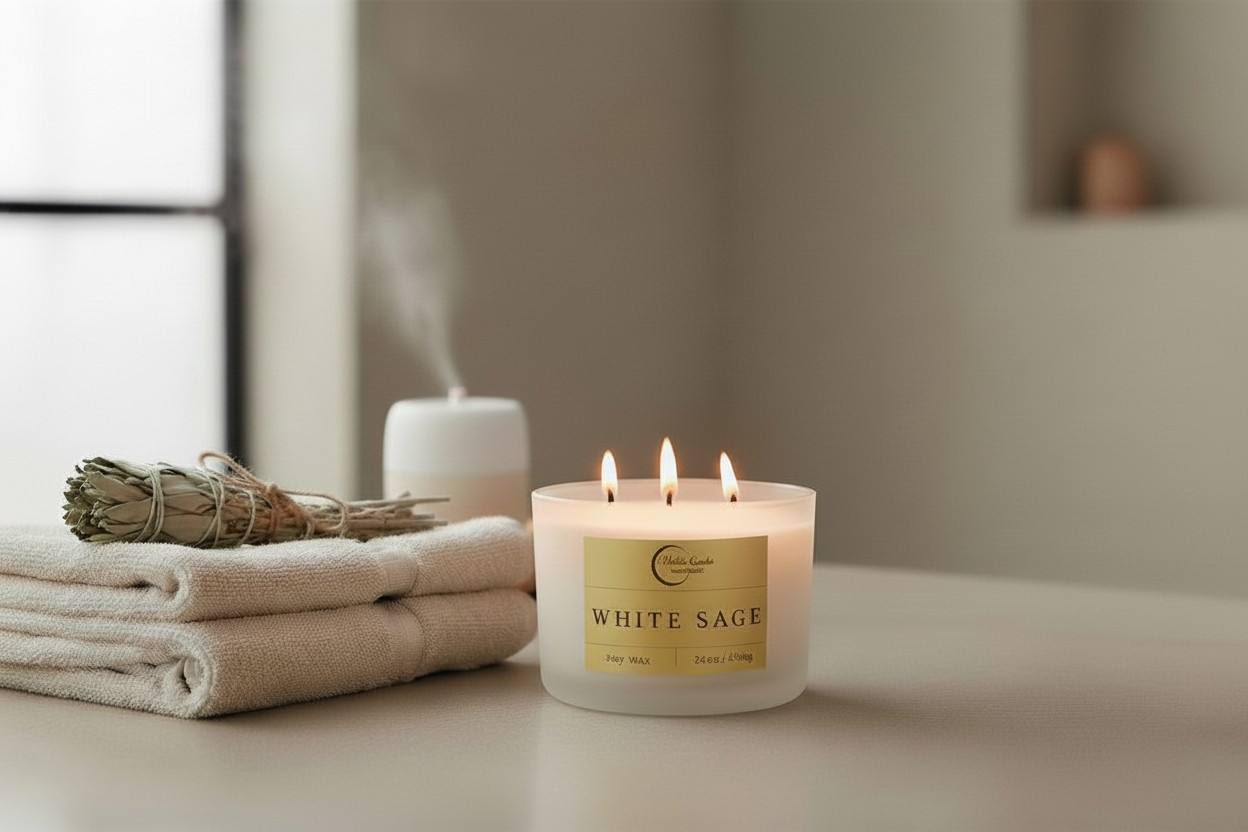
Yes, wax melts can lose fragrance or develop an unpleasant smell over time, but age alone does not tell you whether a forgotten pack belongs in the warmer. Follow any shelf-life or use-by guidance on the packaging, and check its condition and storage history before using it. A familiar scent tucked behind the spare towels deserves a quick inspection—not an automatic trip to the trash.
TL;DR
Can wax melts go bad? Yes—fragrance changes, contamination, and poor storage matter more than age alone.
A pale, crystalline surface on soy-containing wax can be frosting, not spoilage.
Skip unidentified, contaminated, or unpleasant-smelling melts rather than trying to refresh them.
Maddox Candles sells wax melts; check the individual product instructions before warming.
Can wax melts go bad or expire?
Wax melts can deteriorate, but there is no universal expiration date that applies to every formula. The wax blend, fragrance ingredients, packaging, and storage conditions all matter. A date supplied by the maker takes precedence over a general rule found online.
The useful distinction is between a melt that has lost its appeal and one you should not use. A weaker fragrance is a performance issue; visible contamination or an unknown substance is a reason to stop.
Check the warmer, too. Old wax left in the dish can muddy the fragrance of an otherwise acceptable melt, so clean your wax warmer between scents before judging a forgotten pack.
What you notice | What it tells you | Best next step |
Clean, labeled wax with a familiar but faint fragrance | The scent seems weaker; this alone does not establish spoilage | Check the maker’s guidance before deciding whether to use it |
A pale, crystalline surface on soy-containing wax | It can be wax frosting, a change in crystal structure | Check the rest of the melt rather than judging the surface alone |
A softened or misshapen melt | It has experienced enough heat or pressure to change shape | Inspect the packaging, cleanliness, and instructions |
Visible debris, suspicious growth, or an unfamiliar substance | The melt is contaminated or its condition is uncertain | Do not warm it |
An unpleasant or distinctly changed smell | The fragrance is no longer acceptable | Discard it rather than masking the smell |
Loose, unidentified pieces | You cannot confirm the contents or intended use | Do not put them in a warmer |
Start with the pack, not the calendar
Perhaps you bought a fragrance for a quiet evening, used part of it, and tucked the rest away when another scent caught your attention. Finding it again feels a little like rediscovering a favorite sweater. The question is whether it still belongs in your routine.
Look for the product name, maker, wax information, and use instructions. Check for a printed date, but do not assume every code is an expiration date; a batch code serves a different purpose. If its meaning is unclear, ask the maker rather than guessing.
Think about where the pack has been. A closed drawer away from heat is a different storage history from a sunny windowsill or a hot car. An intact label cannot erase poor storage, just as an older purchase date cannot prove a melt has deteriorated.
Keep the packaging until you finish the wax. It preserves the instructions and gives you something specific to refer to if you have a question.
Check forgotten wax melts before warming
Work through these checks while the wax and warmer are cool. You do not need to heat a questionable melt to decide that it is not worth using.
Read the label. Confirm that the product is a wax melt intended for your type of warmer. Follow any storage, shelf-life, and use directions supplied with it.
Check the packaging. Look for tears, spills, dirt, or signs that another household product has leaked onto it. A closed pack is not automatically sound if its contents look or smell wrong.
Inspect the wax. Look for foreign material and unfamiliar surface changes. Do not assume every white mark is harmless frosting, especially when you do not know the wax blend.
Notice the fragrance. Gently smell the unheated product without holding it against your nose. An unpleasant, rancid, or distinctly altered odor is enough reason to discard it.
Decide before heating. If the contents are unidentified, contaminated, or doubtful, skip them. If the melt passes inspection, use it only as its label and your warmer’s instructions direct.
Inspect the melt while it is cool; warming is not a way to investigate contamination.
A melt does not have to pass a dramatic failure test to be worth replacing. If the fragrance now reminds you of stale storage rather than the scent you enjoyed, there is no benefit in forcing yourself to finish it.
Why wax melt condition varies
Two forgotten packs can emerge from the same drawer looking different. That does not establish that one was better made; their formulas, packaging, and earlier handling can differ.
Fragrance formula: Fragrance ingredients do not all behave identically over time. A change in the original balance can matter as much as a loss of strength.
Heat exposure: Warm storage can soften wax and change its shape. Keep packs away from radiators, sunny windows, and other heat sources.
Light exposure: Direct light can contribute to changes in color and fragrance. A shaded cupboard avoids that exposure.
Packaging: Open or damaged packaging leaves the wax more exposed to the surrounding environment. Close the original container as directed after taking out a portion.
Cleanliness: Dust, water, and household spills are separate concerns from ordinary aging. Store wax away from cleaning supplies and places where it can get wet.
Previous warming: Used wax has already released some fragrance. It should not be judged against an unused piece as though their histories were identical.
There is no need to build an elaborate storage system. A labeled, closed pack in a cool, dry place away from direct sunlight is a practical starting point, subject to the maker’s specific directions.
Does a white coating mean wax melts have gone bad?
A white, crystalline coating can be frosting on soy-containing wax, not spoilage. Frosting comes from changes in the wax’s crystal structure and is primarily an appearance issue. It does not, by itself, tell you how much fragrance remains.
That distinction has limits. You cannot identify every pale patch from a quick glance, and an unfamiliar fuzzy growth, wet contamination, or unusual smell should not be dismissed as frosting.
Use the label and storage history alongside appearance. If you cannot confidently distinguish an ordinary wax change from contamination, leave the melt out of the warmer.
Does a weak smell mean you should throw the melts away?
A weak smell does not automatically mean wax melts have spoiled. Fragrance strength before heating and fragrance strength during use are different observations, and neither provides a safety test.
For a clean, identified melt that meets its maker’s guidance, follow the normal warming instructions. Use the stated amount rather than filling the dish with extra wax to chase a stronger result.
If the fragrance is no longer enjoyable, replace the wax after switching off the warmer and letting it cool as directed. Do not compensate with extra heat, and do not add perfume, water, or diffuser oil to revive it.
Quality is more than a strong first sniff
A heavily scented pack can still have damaged packaging or unclear instructions. A quieter-smelling pack can still be clean, properly identified, and suitable for its intended use. Scent intensity alone is not a quality verdict.
When assessing wax melt quality, clear product information and intact packaging give you context that a strong smell alone cannot provide. Those details become especially helpful when you rediscover a partly used pack and need to understand what you have.
For your next purchase, choose a scent you genuinely want to use rather than building a stash around a promised shelf-life number. Keep new and older packs separate, and use the older suitable pack first. That simple habit makes forgotten wax less likely.
When replacing a pack makes more sense
Replace the melts when the fragrance has become unpleasant, the contents are contaminated, or you cannot establish what the pieces are. You do not need to rescue every last fragment to avoid waste.
If you are ready for another home fragrance, Maddox Candles offers wax melts alongside candles and reed diffusers. Wax melts suit shoppers who prefer fragrance without a candle wick, but they still need a compatible warmer and attention to its instructions. Choose a scent you expect to reach for, and read the individual product details rather than assuming every format uses the same formula.
Before putting a replacement into the dish, remove the previous wax according to the warmer’s directions. Let the equipment cool before handling it, and put cooled waste wax in the trash—not down a sink.
FAQ
Can wax melts go bad if they have never been opened?
Yes, unopened wax melts can still lose fragrance or change during storage. Intact packaging does not cancel heat exposure, a printed use-by direction, or visible signs of contamination.
How long can I keep wax melts before using them?
Follow the shelf-life guidance supplied by the maker rather than applying one deadline to every wax melt. If there is no stated period, use the product information, storage history, and condition to guide your decision.
Are old wax melts dangerous to use?
Age alone does not establish whether wax melts are safe to use. Do not warm unidentified or contaminated wax, and follow the product and warmer instructions even when the melt looks unchanged.
Why have my wax melts turned white?
Soy-containing wax can develop a white, crystalline appearance called frosting. That appearance alone is not proof of spoilage, but unfamiliar growth or contamination should not be treated as frosting.
Can I use wax melts that softened in storage?
A changed shape alone does not establish spoilage. Check that the wax remains identified, clean, and consistent with the maker’s guidance; discard it if contamination or an unpleasant odor is present.
Can I add fragrance oil to old wax melts?
Do not add fragrance oil to revive old wax melts unless the product and warmer manufacturers explicitly instruct you to do so. Replace exhausted wax instead of improvising a new mixture.
Why is wax still in the warmer after the smell has faded?
Wax melts can retain their wax after much of the noticeable fragrance has been released. Remaining wax is not proof that useful fragrance remains, so replace it when the scent no longer suits you.
One last thing: label the rediscovery
If you keep the forgotten pack, write its opening date on the outside without covering the original instructions. That date is a reminder, not a homemade expiration deadline.
Put it somewhere you will actually see it. The nicest outcome is not a perfectly organized fragrance collection—it is enjoying a suitable melt before it disappears behind the towels again.


Comments