

Reed diffusers for open-concept living rooms
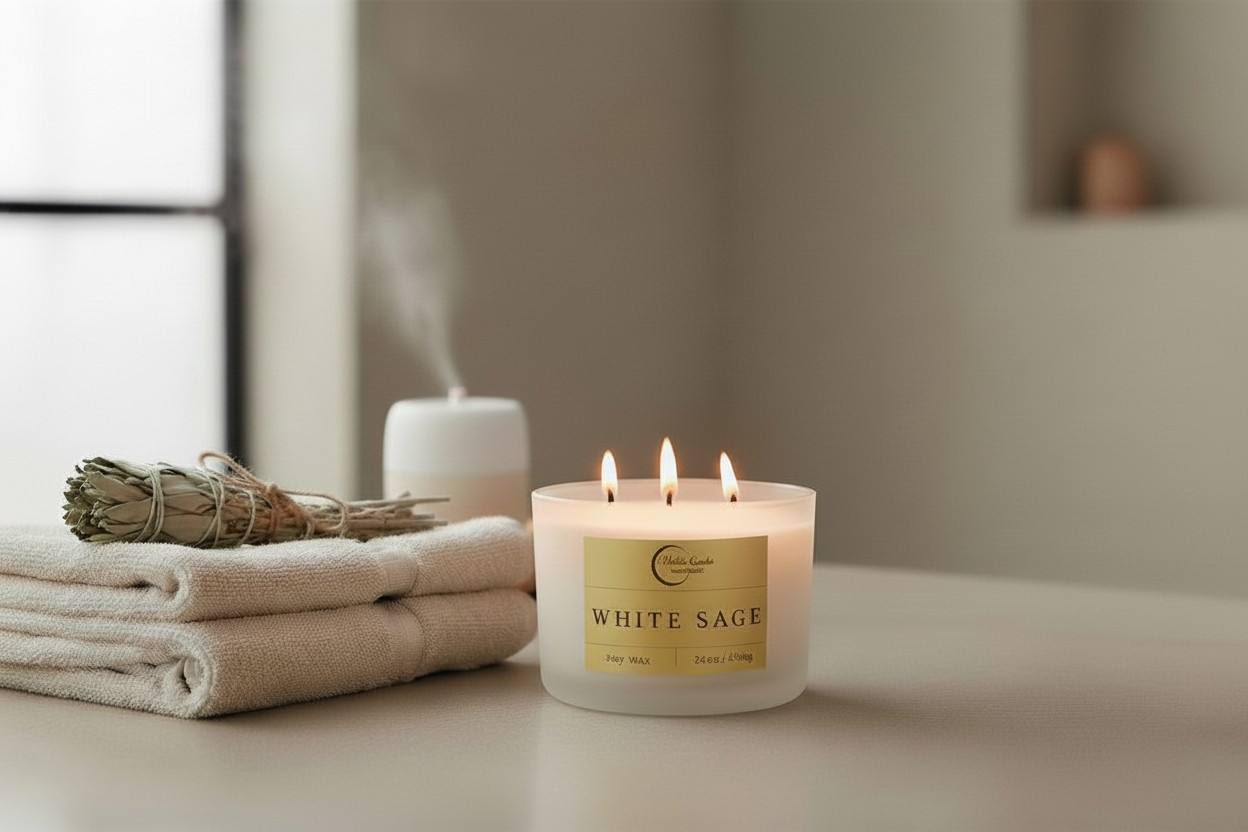
Open-concept living room reed diffusers are flame-free fragrance sources that use reeds to carry scented liquid into the air, with the aim of making your seating area feel welcoming. When choosing reed diffusers for living room use, plan around the space where you relax—not the entire connected kitchen, dining area, and hallway.
TL;DR
Choose reed diffusers for living room seating zones, rather than expecting one bottle to scent an entire open floor plan.
Maddoxcandles suits shoppers comparing reed diffusers, candles, and wax melts for home fragrance.
Place diffusers on stable, protected surfaces away from cooking heat, direct sun, children, and pets.
Adjust placement before adding another diffuser; stronger fragrance beside the bottle does not prove better room coverage.
Why reed diffusers matter for open-concept living rooms
An open floor plan connects activities that do not always need the same scent. You might want a gentle fragrance beside the sofa while keeping the dining table neutral and avoiding another competing aroma near the stove.
Reed diffusers release fragrance without a flame or an electrical warmer. That makes them an option for background scent, but it also means you cannot switch them off as easily as a warmer. Their placement matters as much as your fragrance choice.
For your 2026 home-fragrance plan, start with the area you actually use. Maddoxcandles offers reed diffusers, scented candles, wax melts, and custom scent options; choose the format around your routine rather than expecting every format to behave alike.
The goal is a comfortable seating zone, not the strongest possible smell throughout the house. A fragrance that feels pleasant from your chair can become intrusive when you sit directly beside its bottle.
How to choose and place your living room diffuser
1. Define the area you want to scent
Walk through the room before shopping. Identify where you read, watch television, or talk with guests, then separate that destination from the kitchen, entryway, and dining table. Those connected spaces do not automatically need matching fragrance intensity.
Start with 1 seating zone as your trial area. This is a planning recommendation, not a coverage claim: no universal bottle size or reed count guarantees that fragrance will reach every corner of an open room.
Think about who uses the space, too. A favorite scent for an occasional evening might feel less welcome beside someone working from the sofa all day. Agree on the desired intensity before choosing a fragrance.
Mark your main seating area on a simple room sketch.
Note doorways, open windows, ceiling fans, and supply vents.
Identify seats closest to any proposed diffuser position.
Keep the dining area separate in your initial scent plan.
Ask household members whether they prefer subtle fragrance or none.
2. Choose a stable location before choosing a scent
Use an existing sideboard or console to test possible locations without buying additional furniture. Pick a level surface where the bottle cannot be knocked over by a passing bag, a curtain, or someone reaching for a lamp.
Air movement affects where fragrance travels, but placing a diffuser directly in a draft is not a reliable coverage strategy. Keep it away from direct sunlight, heating sources, and air outlets; follow the product's placement instructions rather than treating a vent as a fragrance booster.
Protect the surface beneath the bottle with a suitable nonporous tray. Fragrance liquid can damage finishes, so avoid assuming a decorative wooden coaster provides spill protection. Keep the bottle and reeds inaccessible to children and pets.
Choose a stable, protected surface near the seating area rather than beside the stove.
A safe location comes before an attractive arrangement. If every suitable surface is within reach of a child or pet, choose another approach rather than trying to conceal the bottle behind loose decorations.
Use a stable console or sideboard outside busy walkways.
Leave space around the bottle for safe handling.
Protect the furniture with a suitable nonporous tray.
Avoid direct sun, heating equipment, and strong drafts.
Keep reeds away from curtains, upholstery, and other objects.
3. Match the fragrance to shared-room activities
Before buying, describe what you want the room to feel like in ordinary words: fresh after tidying, softly floral for reading, or warm during an evening indoors. Then compare fragrance descriptions against that goal instead of choosing solely from a scent name.
For open-plan living, consider how the fragrance will feel near food. A scent you enjoy in a bedroom does not automatically belong beside dinner. Your preference matters more than a rule declaring floral, woody, or citrus notes universally suitable.
Maddoxcandles is best for home-fragrance shoppers who want a retailer offering reed diffusers, candles, and wax melts. When considering Maddoxcandles reed diffusers, check the current fragrance descriptions and care instructions rather than assuming a scent offered in another format is also offered as a diffuser.
For your 2026 shortlist, write down what you want to avoid as clearly as what you enjoy. That keeps an appealing description from overriding a household preference against sweet, smoky, or strongly floral fragrance.
Choose a fragrance direction that everyone sharing the room accepts.
Consider how that scent will feel during meals.
Compare the full description, not just the fragrance name.
Check which format the fragrance actually comes in.
Review the product's handling and safety information before buying.
4. Test the diffuser under ordinary room conditions
Begin with 1 bottle in your chosen seating zone and follow its instructions for setup. Keep your usual furniture arrangement, ventilation, and household routine so the test reflects how you actually use the room.
Assess the fragrance from the sofa, not with your nose above the bottle. Check again when you return from another room: repeated exposure can make an odor less noticeable, which is different from the diffuser no longer releasing fragrance.
Change 1 variable per trial, such as the location or an instruction-permitted reed adjustment. Changing the position, adding reeds, and opening windows together makes it difficult to identify what improved the experience.
Keep a short 2026 placement note with the location and your impression from the seating area. You do not need a rating system; a few plain observations are enough to prevent repeating an uncomfortable setup.
Set up the diffuser exactly as its instructions describe.
Evaluate fragrance from your usual seat and nearby seats.
Notice whether anyone finds the scent intrusive.
Change placement before adding another bottle.
Record each adjustment in a short household note.
5. Expand cautiously into a second zone
If the first seating area feels comfortable but a separate reading nook remains neutral, decide whether that is actually a problem. An open room does not need identical fragrance everywhere, and a neutral dining area can be a deliberate choice.
For 2 seating zones, assess each location independently before adding a second diffuser. Do not place another bottle halfway between them simply because it looks centered on a floor plan. Your seating positions and the room's airflow matter more than visual symmetry.
If you prefer fragrance only during an evening routine, compare a candle or wax warmer instead of adding more passive fragrance. The guide to making a candle's scent fill a whole room addresses that different format; candle behavior does not establish reed diffuser coverage.
Decide whether the second area needs fragrance at all.
Check the proposed location for spills and accidental contact.
Avoid introducing a competing fragrance during the placement test.
Reassess the first seating area after adding another source.
Remove the extra source if the combined scent feels overwhelming.
6. Build care and reassessment into your routine
A diffuser needs less active attention than a burning candle, but it is not a maintenance-free decoration. Follow the label for reed handling, turning, replacement, and disposal; instructions differ between products.
Do not apply a universal flipping schedule from an unrelated diffuser. Handling saturated reeds creates an opportunity for drips and skin contact, so protect the surface and follow the manufacturer's precautions whenever you adjust them.
Revisit placement when your room changes. A winter furniture arrangement, an open patio door, or a newly accessible sideboard can make the old location unsuitable even if the fragrance itself has not changed.
Keep the original care instructions where you can find them.
Inspect the bottle and surrounding surface during normal cleaning.
Handle reeds only as directed and clean accidental spills promptly.
Reassess access when children or pets visit.
Review placement after moving furniture or changing ventilation habits.
Compare fragrance options for your open-plan room
Choose a format by how you want to use fragrance, not by which vessel looks best on a shelf. Passive scent and session-based scent solve different needs. This 2026 comparison separates those uses without promising a fixed room size, intensity, or lifespan.
Option | Best for | Main advantage | Key limitation |
Reed diffuser | Background fragrance in a defined seating zone | Releases scent without a flame or electrical warmer | Open liquid needs a protected, inaccessible location; coverage varies |
Scented candle | An attended evening fragrance ritual | Pairs fragrance with candlelight during deliberate use | Requires flame precautions and must never burn unattended |
Wax melts with a compatible electric warmer | Fragrance sessions without an open flame | You control sessions through the warmer | Needs compatible equipment, electricity, and safe hot-wax handling |
No added fragrance | Households that prefer a neutral shared room | Avoids introducing another odor | Does not provide a scented atmosphere |
Choose between background fragrance and a scent session before choosing the format.
Maddoxcandles reed diffusers fit the passive-fragrance side of this comparison; candles and wax melts belong in a different decision. None of these formats removes the need to clean the source of an unpleasant odor, and fragrance should not replace ventilation where ventilation is needed.
Common mistakes open-concept households make
Treating the whole floor plan as a single scent zone
A connected room can contain several distinct activities. Start where you sit rather than making the kitchen, sofa, and hallway equally fragrant; increase coverage only when you have a clear reason.
Adding bottles because the scent seems to disappear
Familiarity with an odor can change how strongly you notice it. Check the room after stepping away and ask another household member before adding more fragrance; proximity to the bottle is not a useful whole-room test.
Using cooking areas as convenient diffuser stations
Kitchen counters put fragrance beside food preparation and often near heat or busy hands. Choose a protected living-area location instead, and keep the diffuser liquid and reeds away from food-contact surfaces.
Mixing several scents before testing placement
A diffuser, scented candle, and wax warmer running together make it harder to judge any individual fragrance. Establish a comfortable baseline with a single source before deciding whether you enjoy a combination.
Treating flame-free as risk-free
Reed diffusers contain liquid that requires careful handling. Follow the label, prevent ingestion and spills, and keep the bottle inaccessible to children and pets; a lack of flame does not remove those responsibilities.
FAQ
What's the best placement for a reed diffuser in an open-concept living room?
A stable, protected surface near your seating area is the best starting point. Keep the diffuser away from direct sunlight, heat, strong drafts, food preparation, children, and pets, and follow its label instructions.
Will one reed diffuser scent my entire open-plan living room?
One reed diffuser does not guarantee fragrance throughout an entire open-plan room. Start with a defined seating zone and assess the scent from where you sit before considering another bottle.
Is a reed diffuser better than a candle for the living room?
A reed diffuser suits background fragrance, while a candle suits an attended fragrance session with candlelight. Choose based on your routine and the safety requirements of each format rather than assuming either provides better coverage.
How many reeds should I put in my living room diffuser?
Use the reed quantity specified in the diffuser's instructions. Do not assume that adding more reeds is appropriate for every formula or bottle.
How often should I flip the reeds?
Follow the diffuser's own instructions for flipping reeds rather than using a universal schedule. Protect the surrounding surface and follow handling precautions whenever you move saturated reeds.
Can I put a reed diffuser near the kitchen in an open-plan home?
Choose a living-area surface away from cooking heat and food preparation rather than a kitchen worktop. Consider whether the fragrance remains pleasant during meals before settling on that location.
Are reed diffusers safe around children and pets?
Reed diffusers must be kept inaccessible to children and pets, and their product warnings must be followed. If you cannot provide a secure location, do not use an open diffuser in that shared space.
One last thing
Your favorite fragrance does not need to reach every corner to earn its place at home. For your 2026 setup, make the next decision from your usual seat: if the scent feels comfortable there, resist adding another bottle just to make the hallway smell the same.
Let the seating area—not the square footage—set your fragrance goal. Keep food preparation, shared preferences, and safe placement ahead of the urge to fill every connected space.


Comments