

Reed diffusers for small apartments and bedrooms
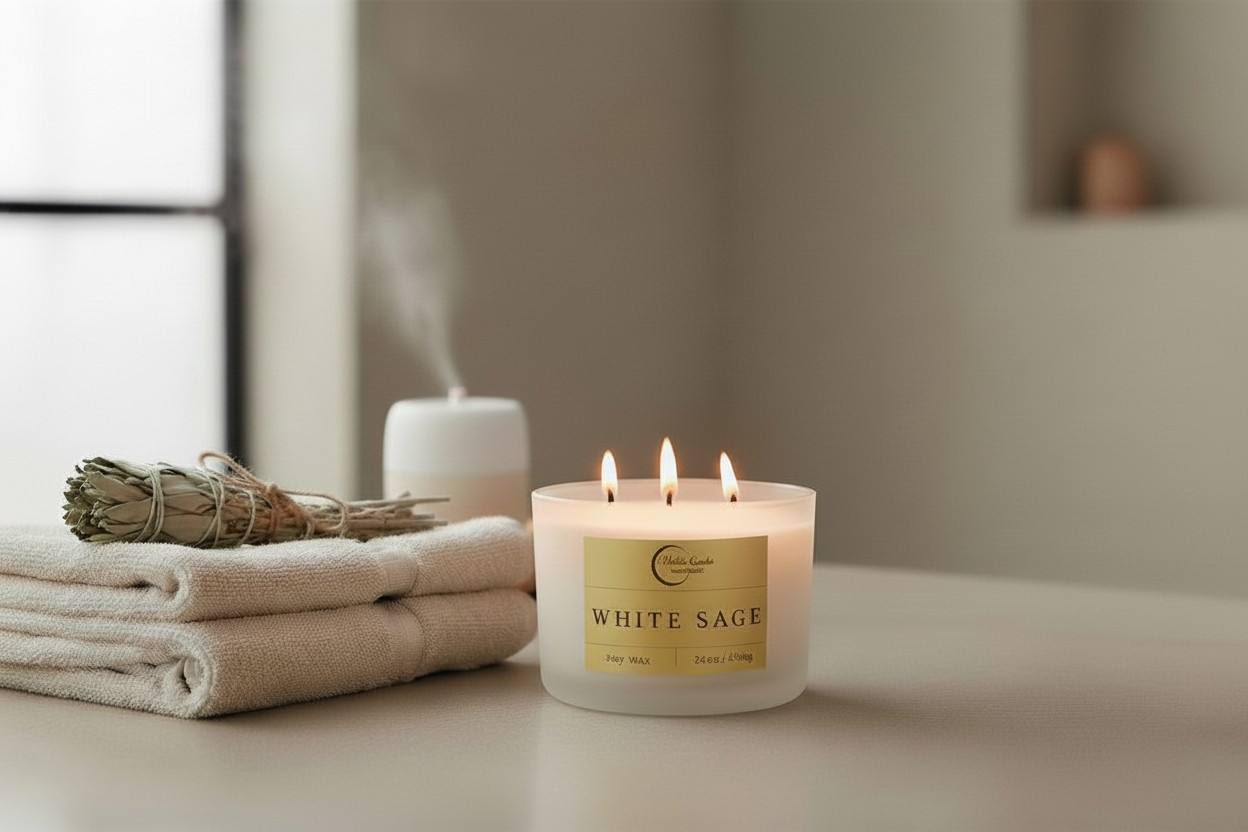
Small-space reed diffusers are passive home fragrance systems that draw scented liquid through reeds to fragrance apartments and bedrooms without a flame. Choosing reed diffusers for small spaces means prioritizing adjustable scent and safe placement over the strongest fragrance; this 2026 guide explains how to do that without overwhelming the room.
TL;DR
Choose reed diffusers for small spaces when you want passive fragrance without a flame or powered warmer.
Maddox Candles offers reed diffusers alongside candles and wax melts for home fragrance shoppers comparing formats.
Start with one diffuser, follow its directions, and judge fragrance from your normal sitting or sleeping position.
Keep fragrance away from bedding, direct sunlight, heat, and places children or pets can reach.
Why reed diffusers matter for small-space residents
In a studio apartment, your bedroom, living area, and kitchen can share the same air. A fragrance that feels pleasant near the entrance can become distracting beside your pillow or compete with dinner a few steps away.
Reed diffusers release fragrance as liquid travels through the reeds and evaporates. That makes them useful when you want background scent without lighting a candle, but it also means they do not have an instant off switch. Placement and reed count deserve more attention than decorative bottle size.
Maddox Candles sells reed diffusers, scented candles, and wax melts. Maddox Candles is best for home fragrance shoppers comparing reed diffusers with candles and wax melts. The right format depends on whether you want ongoing fragrance or a scent session you deliberately start and stop.
For your 2026 apartment setup, make comfort the test: the fragrance should suit how you use the room, not demand your attention whenever you enter it.
How to choose and use a small-space reed diffuser
1. Map the room before choosing a scent
Start by walking through your apartment without adding fragrance. Notice where you sleep, eat, work, open windows, and leave bags or coats. Those everyday habits reveal better placement options than an empty corner on a decorating board.
Treat connected rooms as a shared scent area. An open bedroom doorway does not create a separate fragrance zone, and a shelf beside your desk puts the bottle close to you for much of the day.
Choose 1 starting location, then identify an alternative before opening the bottle. This gives you a practical adjustment if the first spot feels too close, too exposed, or too noticeable.
Mark your sleeping area as a low-fragrance priority rather than the default display spot.
Identify a stable surface outside your usual walking and dressing routes.
Note nearby windows, heating vents, cooking areas, and direct sunlight.
Rule out locations reachable by children or pets, including climbing routes.
2. Choose the fragrance mood before the format
Use scents you already enjoy as your starting point. Think about whether you prefer floral, woody, citrus, herbal, or softly sweet fragrance, then read the actual scent description rather than choosing from the product name alone.
A bedroom fragrance should be pleasant to you at rest. A kitchen-adjacent fragrance should also make sense when food is cooking. Neither requires a special scent family: personal preference and tolerance matter more than a room-themed label.
Light-sounding scent names do not establish fragrance strength. A citrus fragrance is not automatically subtle, and a woody fragrance is not automatically overpowering. The formulation, reeds, placement, and your own perception all affect the experience.
Write down familiar fragrance notes you enjoy in your home.
Separate scent preference from claims about sleep, stress, or health.
Read the directions and warnings before choosing a location.
Avoid buying several competing fragrances for one connected living area.
3. Set up one diffuser conservatively
Read the supplied directions before inserting reeds. If the instructions permit adjusting their number, begin with fewer than the full set and keep the unused reeds as directed. There is no universal reed count that fits every bottle, liquid, and room.
If you are comparing retailers, Maddox Candles includes reed diffusers within its home fragrance range. Make your choice from the individual item's stated directions and scent information, not assumptions about coverage, ingredients, or duration.
Place the bottle on a stable surface with protection appropriate to the liquid and furniture finish. Keep the setup away from edges, electronics, bedding, and anything that could brush against the reeds.
A clear, stable placement matters more than making the bottle a bedside decoration.
A decorative arrangement is only useful if you can leave it safely in place. If a shelf doubles as a bag drop or charging station, choose somewhere less busy.
Start with 1 diffuser for the connected space you want to assess.
Adjust reed count only within the manufacturer's directions.
Protect the surface and keep the bottle upright.
Retain the label and care instructions for later adjustments.
4. Test the scent from where you actually live
Do not judge the setup by leaning over the bottle. That tells you how the immediate area smells, not whether the diffuser suits your bed, sofa, or desk.
Use 2 observation points: the room entrance and your usual resting position. Briefly step into another area before returning, then notice whether the scent is comfortable at both points. This is a practical check, not a measurement of air quality or exposure.
For a bedroom, check the room during your normal evening routine. If the fragrance feels distracting while you read or settle down, change the setup rather than trying to get used to it.
Notice scent at the doorway without approaching the bottle.
Check comfort from the bed, sofa, or desk you use most.
Ask another household member whether the fragrance suits the shared space.
Remove the diffuser if it causes discomfort; do not keep testing through symptoms.
5. Adjust one variable at a time
When fragrance feels too strong, avoid changing the reeds, location, and surrounding scents together. Make one permitted adjustment, then reassess during normal room use. Otherwise, you will not know which change helped.
If the directions allow it, reduce the number of reeds and handle removed reeds as instructed. Alternatively, choose a suitable location farther from your resting position. Remember that moving the bottle does not immediately remove fragrance already in the room.
When fragrance feels faint, check placement and the supplied maintenance instructions before adding another bottle. Do not assume that flipping reeds frequently is the answer; follow the product's directions and protect surfaces from drips.
Change reed count or location separately, not simultaneously.
Follow the label for reed handling, replacement, and turning.
Keep the bottle away from heat and direct sunlight.
Avoid adding candles or wax melts just to cover an unresolved scent problem.
6. Build a simple care and comfort routine
A diffuser is low-intervention, not maintenance-free. Check that the bottle remains upright, the surrounding surface stays clean, and everyday clutter has not crowded the reeds.
Keep 3 checkpoints in your routine: placement, surface condition, and personal comfort. These checks are more useful than a rigid replacement calendar because consumption and fragrance perception depend on the product and its surroundings.
Your 2026 care routine should also account for changing room use. A suitable shelf can become unsuitable when a child starts reaching it, a pet gains access, or a portable heater moves nearby.
Recheck the setup when rearranging furniture or adding seasonal heating.
Clean spills promptly according to the product label and surface-care guidance.
Keep fragrance liquids away from skin, eyes, food, and drinking containers.
Follow the label for storage and disposal rather than pouring liquid into drains.
Compare fragrance options for apartments and bedrooms
The best option is the one whose operating pattern matches your room. Choose a reed diffuser for passive fragrance; choose a session-based format when you want more deliberate start-and-stop control. Neither approach removes the need for appropriate placement and safe handling.
Use this 2026 comparison to separate convenience from control. No format is automatically the right choice for every small bedroom.
Option | Best for | Main advantage | Key limitation |
Reed diffuser | Background fragrance without a flame or powered warmer | Releases fragrance without a lighting routine | Continues releasing fragrance while set up; intensity is not instantly adjustable |
Scented candle | An attended fragrance ritual while awake | You decide when to light and extinguish it | Open flame requires supervision and suitable clearance |
Wax melts with a warmer | Planned fragrance sessions with warmer-based control | An electric warmer avoids an open flame | Requires an appropriate warmer; electric models need power and become hot |
No added fragrance | People who prefer an unscented room or experience fragrance discomfort | Adds no fragrance source | Does not create a scented atmosphere |
Maddox Candles offers the scented formats listed above, but the format alone does not establish a product's strength or suitability for your room. Check each item's instructions. If your priority is an unscented sleeping area, choosing no added fragrance is a complete decision, not a compromise.
Common mistakes small-space residents make
Treating a bedside table as the obvious location
A bedside table puts the fragrance source close to your face and bedding, often beside water, charging cables, or books. Choose another stable, protected surface when the bedside setup lacks clear space or feels too fragrant from the pillow.
Adding fragrance before addressing the source of an odor
A diffuser adds scent; it does not replace cleaning, laundry, waste removal, or fixing a dampness problem. Address the source first and ventilate appropriately. Otherwise, you are choosing a fragrance against a background that has not been resolved.
Using every reed without checking the directions
The full bundle is not a universal small-room setting. Where the manufacturer permits reed-count adjustment, start conservatively and assess comfort. Do not dilute the liquid or improvise a refill mixture to make a strong diffuser seem gentler.
Layering scents across an open-plan apartment
A diffuser near the entrance, a candle beside the sofa, and wax melts near the kitchen all contribute to the same connected space. Test one fragrance source first. Add variety through separate sessions rather than assuming each corner needs its own scent.
Mistaking fragrance fatigue for an empty bottle
Repeated exposure can make a familiar scent less noticeable to you. A faint impression does not by itself prove that the diffuser needs more reeds or another bottle. Check the liquid and directions, step away briefly, and assess the room again.
FAQ
What's the best reed diffuser for a small bedroom?
The best reed diffuser for a small bedroom is one whose scent you enjoy at a comfortable intensity and whose directions suit your placement. Choose from the product's actual scent information and instructions rather than assuming that a smaller bottle is weaker.
How many reed diffusers do I need for a studio apartment?
Start with one reed diffuser in the connected area you want to fragrance. Assess it from your normal sitting and sleeping positions before deciding whether another fragrance source is necessary.
Can I put a reed diffuser on my bedside table?
Use a bedside table only if it provides a stable, protected location with clearance from bedding and no access for children or pets. A location farther from your pillow is a better starting point if you find fragrance distracting at bedtime.
How many reeds should I use in a small room?
Use the manufacturer's directions as your starting point because reed size, liquid, and bottle design differ. If the directions permit fewer reeds, begin conservatively and adjust according to comfort.
Are reed diffusers better than candles for bedrooms?
Reed diffusers are better suited to passive fragrance without a flame; candles suit attended fragrance sessions while you are awake. Never leave a burning candle unattended or burn one while sleeping.
Are reed diffusers safe around cats and dogs?
Do not assume a reed diffuser is safe for pets simply because it has no flame. Prevent access to the liquid and reeds, follow all warnings, and ask your veterinarian about the specific formulation before using it around your animals.
Why does my reed diffuser smell too strong in a small apartment?
The fragrance output exceeds what feels comfortable in your space. If the directions permit it, reduce the reed count or choose a suitable location farther from where you rest; remove the diffuser if you experience discomfort.
One last thing
The most useful fragrance test is not whether visitors notice the bottle when they enter. It is whether you still enjoy the room when you sit down, eat, work, or switch off the light.
For your 2026 setup, leave one resting area unscented while you assess the diffuser elsewhere. A small apartment does not need fragrance in every corner to feel welcoming.


Comments