

Soy Candles vs. Other Wax Types: What's the Difference?
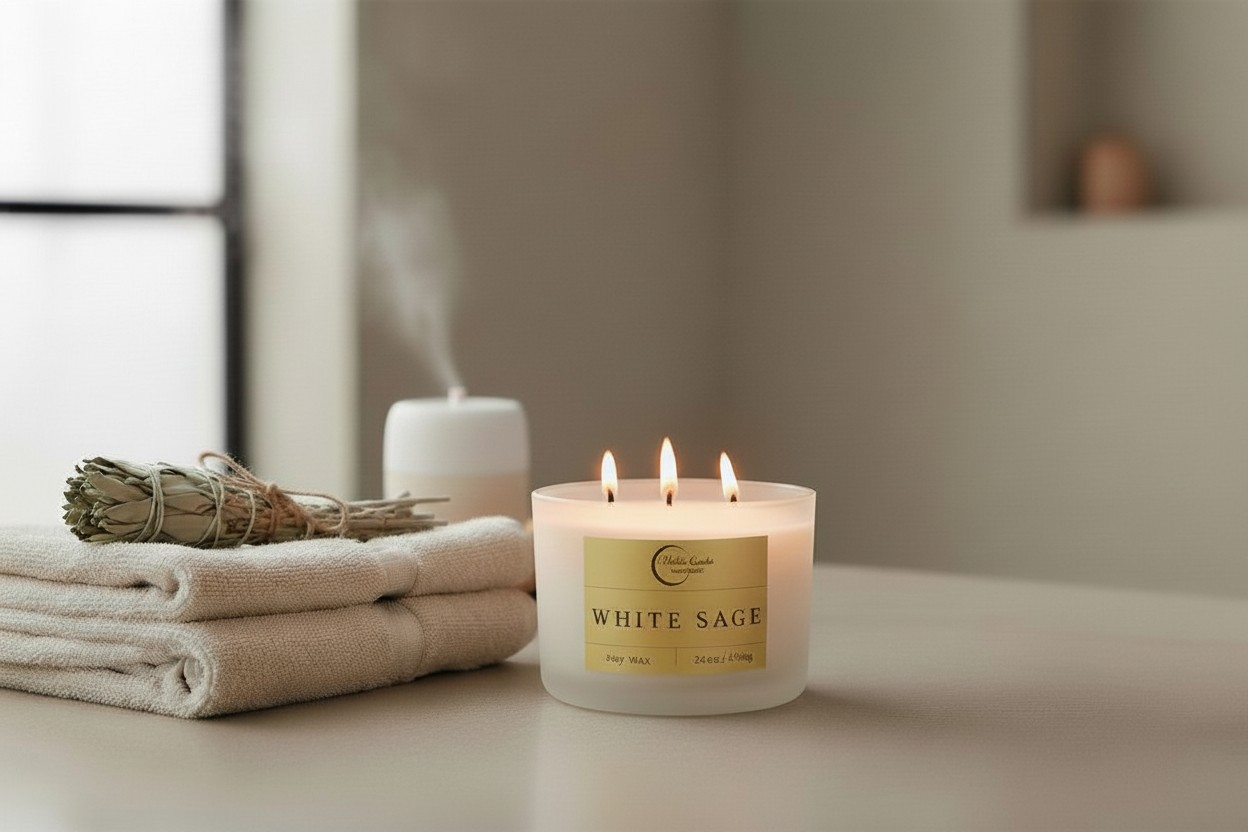
If you've ever looked at a candle label and wondered what the difference between wax types actually means, you're not alone.
Soy wax, paraffin, beeswax and wax blends can all be used to create candles, but they aren't identical.
Understanding the basics can help you become a more informed candle shopper and choose products that fit your preferences.
What Is Candle Wax?
Wax is essentially the fuel that allows a candle to burn.
The wick draws liquid wax upward, where it is vaporized and burned.
But the type of wax used can influence the candle's characteristics, including its appearance, texture and burn behavior.
What Is Soy Wax?
Soy wax is made from soybean oil.
It's become a popular candle-making material among brands and customers looking for plant-derived wax options.
Soy wax is known for its creamy appearance and is commonly used in container candles.
What Is Paraffin Wax?
Paraffin is a petroleum-derived wax that has been widely used in candle making for many years.
It can be formulated for different applications and is known for its ability to hold and release fragrance effectively.
What Is Beeswax?
Beeswax is naturally produced by honeybees.
It's often recognized by its naturally warm color and subtle honey-like aroma.
Beeswax candles are another option for customers looking for a different candle-making tradition.
What Are Wax Blends?
Some candle makers use blends rather than relying on one wax type.
A blend can combine different waxes to achieve specific performance characteristics.
The goal may be to create a particular texture, appearance, burn profile or fragrance performance.
Is Soy Wax Better?
There isn't one universal answer.
"Better" depends on what you're looking for.
You may care most about:
Wax composition
Fragrance performance
Appearance
Burn characteristics
Sustainability preferences
Texture
Overall candle experience
Instead of assuming one wax automatically wins, look at the complete candle.
Why the Entire Candle Matters
Wax is only one part of a candle.
The wick, fragrance load, vessel, formulation and manufacturing process all work together.
Two candles made with the same general type of wax can perform differently because their overall formulations are different.
That's why choosing a candle based solely on the words "soy wax" isn't necessarily enough.
What Should You Look for When Buying a Candle?
Start by asking:
What type of fragrance experience do I want?
What kind of atmosphere am I trying to create?
Do I care about the wax composition?
Does the brand provide clear product information?
Do the candle's size and price make sense for how I plan to use it?
And most importantly:
Does the brand make products you actually enjoy using?
Final Thoughts
Understanding candle wax can make you a smarter shopper, but don't let the wax alone determine your decision.
A great candle is about the entire experience—from the fragrance you smell when you open it to the atmosphere it creates once it's burning.
At Maddox Candles, the goal is to create home fragrance that feels intentional, beautiful and enjoyable from the first moment you experience it.


Comments