

How to reset your nose when testing candle scents
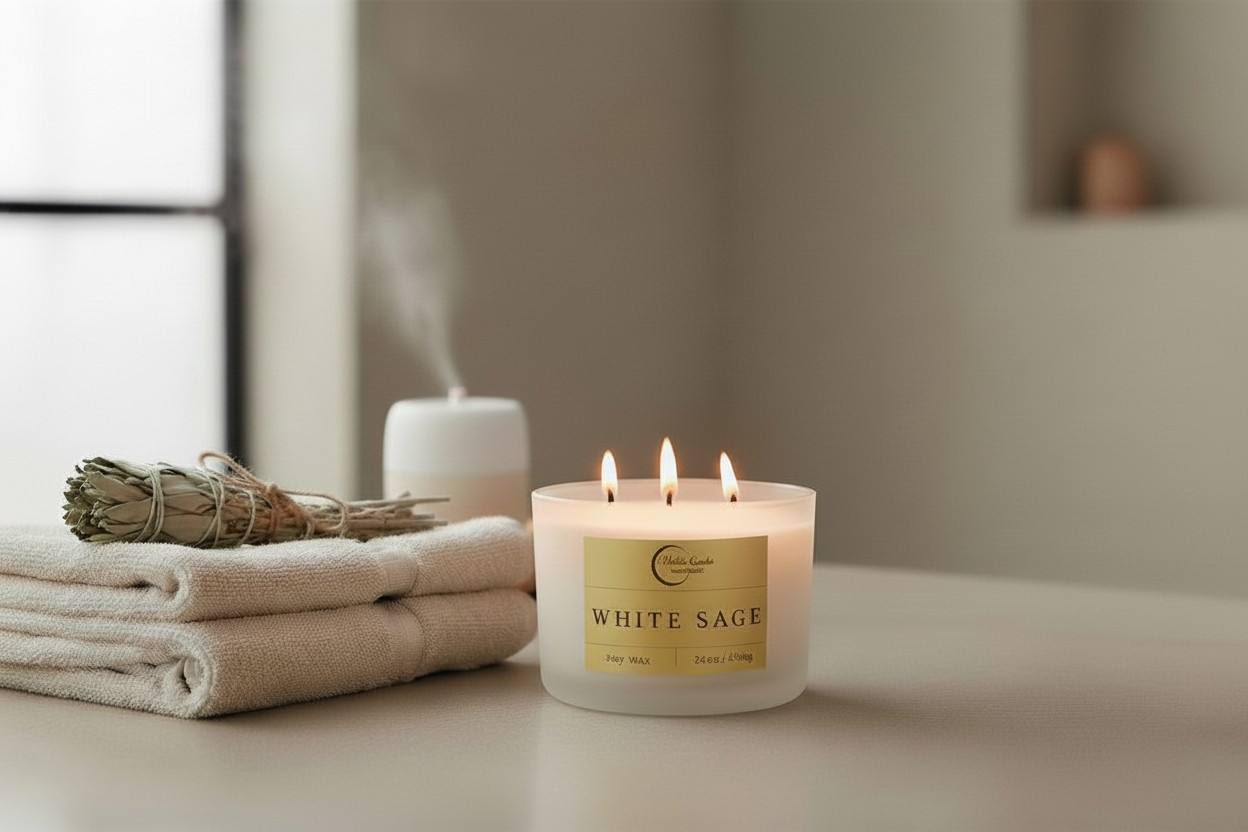
To reset your sense of smell when testing candles, stop sniffing, close the candle containers, and move somewhere without a noticeable fragrance before trying again. Return to one candle at a time and take gentle, brief sniffs rather than repeated deep inhalations. There is no guaranteed reset time, and smelling coffee beans adds another odor rather than providing a dependable shortcut.
TL;DR
How to reset your sense of smell testing candles: pause, leave the scented area, and return to one fragrance.
Coffee beans add an odor; a break from fragrance is the better starting point.
Compare unlit candles separately from burning candles so room fragrance does not blur your impressions.
Maddoxcandles suits home fragrance shoppers choosing among candles, wax melts, and reed diffusers.
Why this matters
A candle that seemed vivid at first can become harder to notice after you spend time around it. That change does not, by itself, prove the candle has stopped releasing fragrance. Repeated exposure changes how noticeable an odor feels, a process called olfactory adaptation.
A quieter scent impression is not a reason to keep sniffing harder. Give yourself a break before deciding that a fragrance is weak, unpleasant, or missing a note you noticed earlier.
When browsing Maddoxcandles, separate choosing a fragrance you enjoy from judging how that fragrance behaves in your room. Those are different decisions, and they need different testing conditions.
How do you reset your nose when testing candle scents?
The practical reset is to interrupt exposure, reduce competing odors, and restart with a simple comparison. Use this 2026 scent-testing checklist at home or while browsing candles in person; it requires no special palate cleanser or scented accessory.
1. Stop the scent stream
Put lids back on unlit candles and move open fragrance products away from your testing spot. If a candle is burning, extinguish it safely according to its care instructions before leaving the area. Never leave a burning candle unattended.
Stopping your sniffing while sitting beside several open candles does not remove the ongoing exposure. The room itself can still smell strongly of the fragrances you are trying to separate.
2. Move to a less-scented space
Choose somewhere without an obvious fragrance source. Avoid replacing candle scent with perfume, cleaning spray, cooking odors, or a scented hand product.
Fresh air is useful when it means less fragrance, not when it brings another strong smell. An outdoor spot beside smoke or traffic is not the neutral break you want.
3. Breathe normally and let the break be a break
Do something unrelated to fragrance instead of repeatedly checking whether your nose has recovered. There is no universal countdown that guarantees you will perceive every scent clearly again.
Do not force deep inhalations or place products against your nose. If testing causes headache, nausea, coughing, or irritation, stop the session rather than trying another reset technique.
4. Return to one candle
Open 1 candle and assess it without another open fragrance beside it. Hold it at a comfortable distance and use a gentle sniff rather than keeping your nose over the container.
Notice your immediate impression, then set it down. Repeatedly chasing a faint note makes the comparison harder to keep consistent.
5. Write before you compare
Use a 3-word note such as floral, soft, sweet. These are personal descriptions, not proof of a candle's ingredients or a substitute for its listed scent notes.
Add a separate line for your reaction: enjoyable, too sharp, or worth revisiting. Writing first preserves an impression that otherwise gets overwritten by the next fragrance.
6. Separate preference from room performance
Smelling an unlit candle helps you judge its fragrance before burning. It does not reproduce the experience of fragrance spreading from a burning candle through a room.
Test room performance separately, following the candle's care instructions and keeping other scented products out of the comparison. If you cannot distinguish the candidates comfortably, split them across 2 sessions rather than forcing a decision.
Remove competing fragrance before deciding whether to try the candle again.
Which nose-reset method should you use?
Choose a break from fragrance before adding another smell. The most useful method removes a source of confusion instead of introducing a new one.
This comparison is a practical guide for 2026 candle shopping, not a promise that any technique restores smell on a fixed schedule.
Method | Best for | Advantage | Limitation |
Break in a less-scented area | Feeling overwhelmed by several candles | Interrupts ongoing fragrance exposure | The space needs to be genuinely less scented |
Closing containers and testing individually | Comparing unlit candles | Reduces overlapping fragrance sources | Does not assess fragrance during burning |
Returning in a separate session | Comparisons that remain muddled | Lets you stop instead of forcing a choice | Room conditions can differ between sessions |
Smelling coffee beans | Recognizing a familiar coffee odor | Provides a different smell to notice | Adds fragrance and does not guarantee a reset |
Coffee beans are not a required part of candle testing. If you enjoy their smell, that preference is separate from whether they help you judge another fragrance accurately.
Smelling your sleeve or skin has a similar limitation. Fabric can carry detergent, perfume, smoke, or the very candle fragrance you are trying to leave behind. A different odor is not necessarily a neutral one.
Why your scent impressions vary
Your nose is part of the comparison, but so is the space around you. Keep these factors in mind before blaming a candle or buying a stronger fragrance.
Repeated exposure: An odor becomes less noticeable during continued exposure. Pause instead of treating fading awareness as a reliable measure of candle strength.
Competing fragrance: Perfume, wax warmers, diffusers, cooking, and cleaning products make it harder to isolate what you are smelling.
Testing method: An unlit candle and a burning candle present fragrance differently. Compare like with like rather than treating both impressions as interchangeable.
Room conditions: Air movement and the room's size affect how fragrance spreads. Record the setting when judging a candle during use.
Your condition that day: Congestion, illness, and nasal irritation can affect smell. Postpone a comparison when your normal sense of smell feels altered.
Do not use a stronger scent to compensate for an unclear comparison. First remove the background fragrance and check whether the original candle still appeals to you under simpler conditions.
How should you compare candles without overwhelming your nose?
For a useful 2026 comparison, make the process repeatable rather than elaborate. You need a comfortable setting, brief notes, and permission to stop.
Start with the room
Choose a testing area without a running wax warmer, open reed diffuser, or recently sprayed fragrance. Keep candle lids closed until you are ready to assess that candle.
At a store, you cannot control the whole environment. If the air already smells strongly scented, treat your impressions as preliminary rather than pushing through until every candle seems alike.
Keep the comparison consistent
Compare unlit candles with unlit candles. When comparing burning candles, use separate sessions and follow each candle's individual care instructions; matching an arbitrary burn time is not a substitute for safe use.
Do not compare a candle directly under your nose with another assessed from across the room. Distance changes the experience you are asking yourself to judge.
Use plain notes
Write what you actually notice, even if it differs from the label's description. You are choosing a fragrance for your home, not taking a scent-identification exam.
A useful note separates scent character from preference: woody describes an impression; comforting describes your response. Neither tells you how strongly a candle will fragrance a different room.
Stop when the comparison stops helping
If everything begins to smell similar, close the containers and finish another day. An unfinished comparison is better than a purchase based on an overwhelmed nose.
For your 2026 scent notebook, record the candle name, whether it was lit, the setting, and your immediate reaction. That small amount of context makes later notes easier to interpret without turning a cozy shopping ritual into homework.
How long should I wait before smelling another candle?
There is no universal waiting period that guarantees a complete reset. Wait away from the fragrance, then resume only if the comparison feels comfortable and clear; otherwise, end the session.
A stopwatch cannot tell you whether the room still contains overlapping scents. Changing the environment matters more than reaching an arbitrary minute mark.
Should I smell coffee beans between candle scents?
Coffee beans are not necessary between candle scents. They introduce a recognizable odor, but that does not establish that your nose is ready to compare the next fragrance accurately.
Choose a fragrance break first. If coffee becomes the strongest smell in the experience, you have changed the comparison rather than removed competing odors.
Does losing track of a candle's scent mean it is weak?
Losing track of a candle's scent does not prove that it is weak. Continued exposure can make fragrance less noticeable, while room conditions also affect what reaches your nose.
Judge fragrance performance in a separate, controlled session instead of immediately adding another candle. More burning candles introduce additional flames and fragrance without resolving the original question.
FAQ
What's the best way to reset my nose when testing candles?
Stop testing and move to a less-scented area before returning to one candle. Close other containers so you are not continuing to breathe several fragrances during the break.
Can I reset my sense of smell in a fixed number of minutes?
No fixed number of minutes guarantees a reset for everyone. If fragrances still seem muddled or testing feels uncomfortable, stop and return in a separate session.
Are coffee beans better than fresh air for candle testing?
Choose a less-scented space rather than relying on coffee beans. Coffee adds an odor, while a fragrance break reduces the competing smells you are trying to leave behind.
Should I test candles lit or unlit?
Test unlit candles for an initial fragrance impression and burning candles separately for the experience during use. Follow the candle's care instructions and never leave a flame unattended.
Why do all the candles start smelling the same?
Repeated exposure and overlapping fragrances can make individual candles harder to distinguish. Close the containers, leave the scented area, and postpone the comparison if the impressions remain unclear.
Should I keep testing if a candle gives me a headache?
Stop testing if you develop a headache, nausea, coughing, or irritation. Move away from the fragrance rather than trying to push through with another scent.
When should I get a change in my sense of smell checked?
Seek medical advice for a sudden, persistent, or unexplained change in smell, especially when it affects ordinary daily odors rather than just a candle-testing session. Do not assume a broader change is simply fragrance fatigue.
One last thing
Before your next 2026 candle comparison, write down where you want to use the fragrance and how you want that room to feel. A scent you enjoy for a brief sniff is not automatically the scent you want around you throughout an evening.
When considering Maddoxcandles home fragrance, choose the format separately from the scent. Candles involve a flame, while reed diffusers do not; wax melts require an appropriate warmer. Those differences matter even when your fragrance preferences stay the same.
The useful verdict is personal but clear: choose the fragrance you still enjoy after a break, not the one you can smell most forcefully after a crowded testing session.


Comments