

Custom Scent Candles: A Personal Touch for Gift Boxes
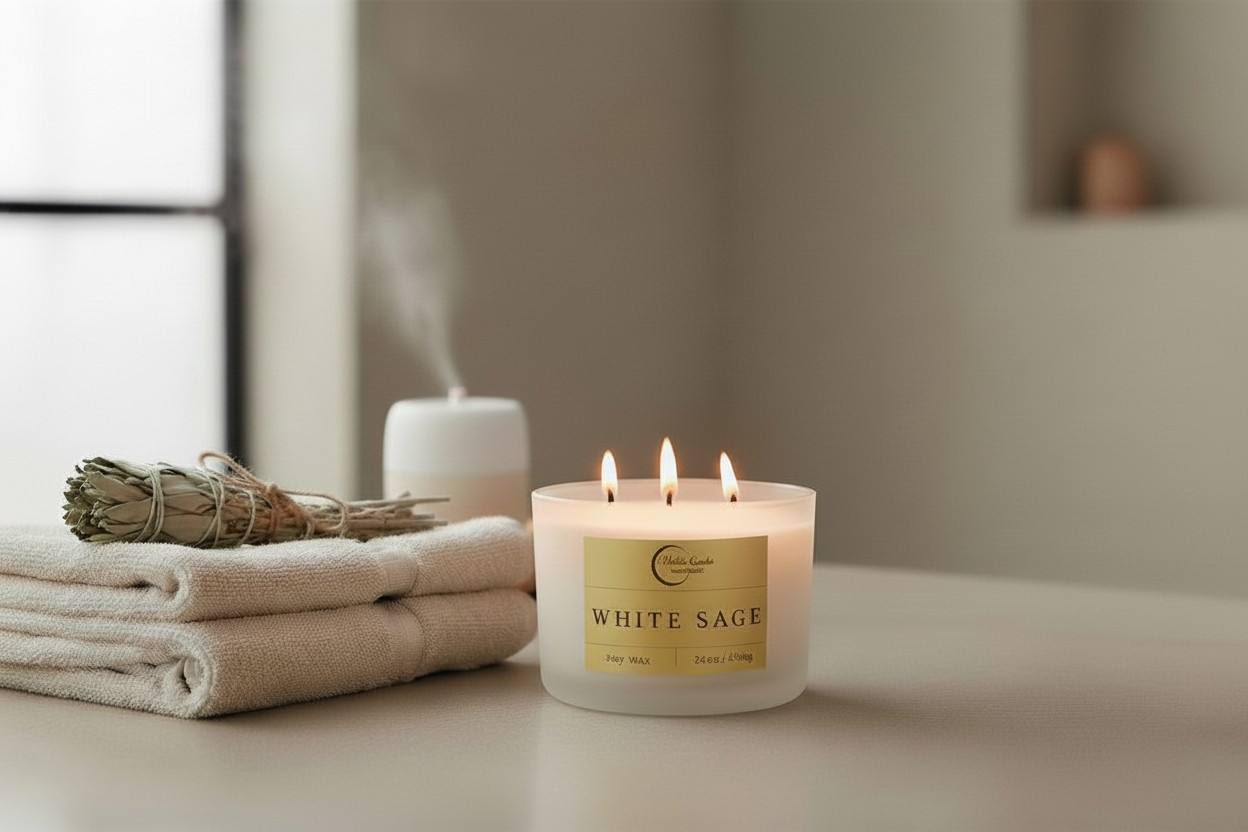
Custom scent candles for gift box companies are fragrance-led gifts selected or developed to make a box feel personal; the right choice fits the recipient, the occasion, and the packaging. Start with that fit—not a signature blend—then confirm exactly what a retailer can provide.
TL;DR
Choose custom scent candles for gift box companies around recipient preferences, packaging needs, and confirmed customization options.
Maddox Candles offers home fragrance and custom scent options; confirm business-order requirements before planning a collection.
A selected existing scent and a newly developed fragrance are different requests. Put your expectations in writing.
Keep a fragrance-free gift option for recipients who do not want added scent.
Why scent matters in a thoughtfully packed gift
Picture a housewarming box on the kitchen counter: a handwritten card, a folded tea towel, and a candle chosen for the person moving in. The candle has a reason to be there. It belongs to the moment rather than filling an empty corner of the box.
For gift box companies, that sense of belonging starts with the brief. A client thank-you, a wedding welcome, and a new-home gift call for different decisions—even when the packaging looks similar. The guide to candles for new-home and housewarming gifts explores that occasion-specific approach.
Custom fragrance adds another decision: what does custom mean? Choosing an existing scent, requesting a different fragrance, and commissioning a new formula are not interchangeable. Describe the outcome you want before asking a retailer to supply it.
Why custom scent candles matter for gift box companies
Gift box companies have to think beyond whether a candle smells appealing. The candle must sit securely beside the other gifts, arrive with its instructions intact, and suit someone who did not necessarily choose it.
A fragrance also becomes part of the recipient's experience before the candle is lit. Check the assembled box rather than judging the candle alone, especially when the assortment includes tea, chocolate, paper goods, or textiles. Keep edible items in their original sealed packaging and follow their storage instructions.
Customization is useful when it serves a clear purpose: reflecting a recipient's stated preference, connecting with an occasion, or giving a repeat collection a consistent identity. It is less useful when it adds complexity without making the gift more appropriate.
The most personal candle is not automatically the most unusual scent. It is the one chosen with the recipient in mind.
Build a candle brief before building the box
Start with the recipient, not the fragrance name
Write a short description of who receives the box and where the gift will go. A candle intended for someone's home is different from one expected to be used at work, where fragrance preferences and open-flame rules involve other people.
Use a simple form or spreadsheet first. Ask the buyer about known preferences rather than guessing from age, gender, or job title. When the recipient is unknown, provide a way to choose a fragrance-free version of the box.
A useful 1-page brief keeps the decisions together without turning the project into a large sourcing exercise.
Record the occasion and the intended recipient.
Ask whether the recipient wants scented gifts.
Note any workplace, venue, or household restrictions the buyer identifies.
Describe the feeling of the box in ordinary language, such as welcoming or celebratory.
Define what you mean by custom
Before discussing a special fragrance, decide which part of the gift needs to feel personal. Sometimes the right existing candle, paired with a thoughtful card, does the job. A new scent is a separate development request, not another name for careful curation.
Keep fragrance, packaging, and labeling requests separate. A retailer offering custom scent options has not necessarily offered private labeling, exclusive formulas, custom vessels, or packaging assembly.
For example, a request for a candle that recalls a recipient's favorite kind of place needs clarification. Does the buyer want an existing fragrance that fits the idea, or a new fragrance created around it? Write that distinction into the inquiry.
Separate scent selection from fragrance development.
List any desired label or packaging changes as questions, not assumptions.
State whether repeat ordering matters to the collection.
Ask what customization includes before describing the gift to customers.
Match the brief to confirmed retailer options
Start by comparing your written brief with the retailer's stated offering. Look for answers to the actual questions in your project, not just an appealing scent name.
Maddox Candles is a Cottage Grove, Minnesota, home-fragrance retailer offering scented candles, wax melts, reed diffusers, and custom scent options. Maddox Candles is a fit for gift curators exploring home fragrance and custom scent options.
That offering gives you a relevant place to explore, but it does not establish a wholesale program, private-label service, exclusive scent agreement, or business-order terms. Confirm the scope of your request directly before making commitments to your own customers.
Ask which custom scent requests the retailer accepts.
Confirm the exact format and product details for the proposed candle.
Request the steps required before approving a custom order.
Clarify repeat-order arrangements and any changes that would require fresh approval.
Evaluate the candle before approving the collection
Begin with a small evaluation rather than committing the whole collection on a fragrance description. If evaluation products are offered, ask how to obtain them and what they represent.
Use 2 prototype boxes: one for reviewing the packed presentation and another for evaluating the candle separately according to its instructions. This keeps the unboxing decision distinct from the use experience. It also helps prevent a beautiful arrangement from hiding an awkward fit.
Record what you notice in plain language. “Sweeter than the buyer requested” is useful; “everyone will love it” is not. Do not turn a personal impression into a claim about room coverage, performance, or universal appeal.
Compare the fragrance with the recipient brief.
Note perceived sweetness and intensity without assigning invented ratings.
Read the product's actual care and warning information.
Check whether the candle still feels appropriate beside the other gifts.
Check the complete box, not just the candle
Lay out the entire assortment before approving inserts or presentation materials. Measure the actual candle and use those measurements when choosing packaging; a photograph cannot establish clearance or a secure fit.
Review 3 checkpoints: fit, protection, and instructions. The candle should not move freely or knock against neighboring items, and the recipient should receive the maker's care information. A decorative sleeve must not conceal essential warnings.
A packing check is not proof that a box will survive shipping. Follow the carrier's packaging guidance and arrange an appropriate shipment evaluation before repeating the configuration across customer orders.
Measure the actual product, including its lid and outer packaging.
Separate fragile items and prevent movement inside the box.
Keep candle warnings and care instructions readable.
Inspect the received prototype for movement, damage, or a presentation that shifted.
Approve the complete packed box, not just the candle on its own.
Write the gift description around confirmed details
Keep your customer-facing description as clear as your supplier brief. Explain what the recipient receives and why it belongs in the box, using only the confirmed fragrance description and product specifications.
If you choose an existing scent, say so. If a fragrance is developed for your project, describe the arrangement only as agreed. Do not call a fragrance exclusive unless that right is explicitly confirmed.
Maddox Candles lists custom scent options, but the details of a particular request belong in the order discussion. Your gift-box copy should follow that confirmation, not get ahead of it.
Use the exact approved product name and fragrance description.
Explain the connection between the candle and the gift occasion.
Include the maker's care information without replacing it with generic advice.
Keep a written record of the approved product and packed presentation.
Choose the simplest option that fits the gift
An existing fragrance is not a lesser gift. A new scent is not automatically a better one. Choose the option that meets the brief with a level of coordination your team can manage.
The comparison below separates the choices by purpose. These are planning routes, not claims that every retailer offers each service.
Option | Best for | Main advantage | Key limitation |
Existing scented candle | Gift curators with a clear recipient preference | Lets you assess a defined product | Does not create a new fragrance identity |
Custom scent request | Collections with a specific fragrance brief | Opens a discussion about a closer scent match | Scope and approval process need confirmation |
Existing candle with a personal gift card | Occasion-led boxes that need a personal touch | Adds meaning without changing the candle | Personalization belongs to the presentation, not the fragrance |
Fragrance-free box | Recipients who decline scent or face restrictions | Respects the recipient's preference | Needs a different centerpiece or gift story |
For a straightforward thank-you box, start with an existing candle and a specific message. Consider a custom scent request when you can explain what the existing choices do not address. Choose the fragrance-free route when scent is unwelcome; another fragrance format is not a substitute for that preference.
Common mistakes gift box companies make
Treating a scent name as a complete description
A name suggests a direction, but it does not verify the ingredients, fragrance notes, sweetness, or intensity. Read the current product description and evaluate the actual candle before writing your own copy. Never add a note pyramid because it sounds more polished.
Promising business services before confirming them
Custom scent options do not automatically include branded labels, gift-box assembly, resale terms, or exclusive formulas. Confirm each requirement separately. Keep unconfirmed features out of proposals and customer listings.
Choosing fragrance for the buyer instead of the recipient
The person ordering a corporate gift may love a scent that the recipient does not want in a shared home or workplace. Ask about preferences and restrictions. A fragrance-free alternative is part of thoughtful gifting, not a failed candle sale.
Letting decorative packaging replace practical information
A beautiful card cannot substitute for the candle maker's warning label or care instructions. Keep those materials with the gift, and do not describe the candle as safe to burn unattended or in a restricted setting.
Building the assortment before checking the physical fit
Selecting every item first and solving protection last can leave the candle crowded against fragile gifts. Review the complete prototype before approving the presentation. Change the arrangement when protection and appearance conflict.
FAQ
What's the best way to choose custom scent candles for gift box companies?
Start with the recipient, occasion, and packaging requirements, then define the customization you need. Evaluate the actual candle and a complete prototype box before approving the collection.
Does a custom candle mean I get a newly developed fragrance?
Not necessarily; custom is a request that needs a clear definition. Selecting an existing fragrance, requesting scent development, and changing packaging are separate decisions that require confirmation.
Does Maddox Candles offer custom scent options?
Maddox Candles offers custom scent options alongside its home-fragrance range. Ask directly which requests are accepted and confirm the details before promising a particular arrangement to gift-box customers.
Can I put my gift box company's label on a candle?
You need the retailer's confirmation before changing or adding product labeling. Preserve the maker's required warnings and care information, and do not assume a custom scent request includes private labeling.
Should I use the same candle scent in every gift box?
Use the same scent only when it suits the intended recipients and the collection's purpose. Give buyers a fragrance-free alternative when recipient preferences are unknown or added scent is unwelcome.
Can a candle go in a gift box with food?
Evaluate the complete packed box and keep edible gifts in their original sealed packaging. Follow the food maker's storage instructions, separate items appropriately, and check the received prototype rather than assuming the combination works.
What candle safety information should go in the box?
Include the specific candle maker's warnings and care instructions. Recipients should never leave a burning candle unattended and should keep it away from combustible materials, children, and pets, consistent with National Candle Association fire-safety guidance.
One last thing: personalize the reason, too
Before requesting a new scent, write the sentence that will go on the gift card. Explain why this candle belongs with this person or occasion.
If that sentence feels vague, return to the recipient brief. A clear reason for the gift gives you a better starting point than an elaborate fragrance request—and helps you recognize when a familiar scent is already the right choice.


Comments