

Wax Melts in Daycare Spaces: Children's Comfort Comes First
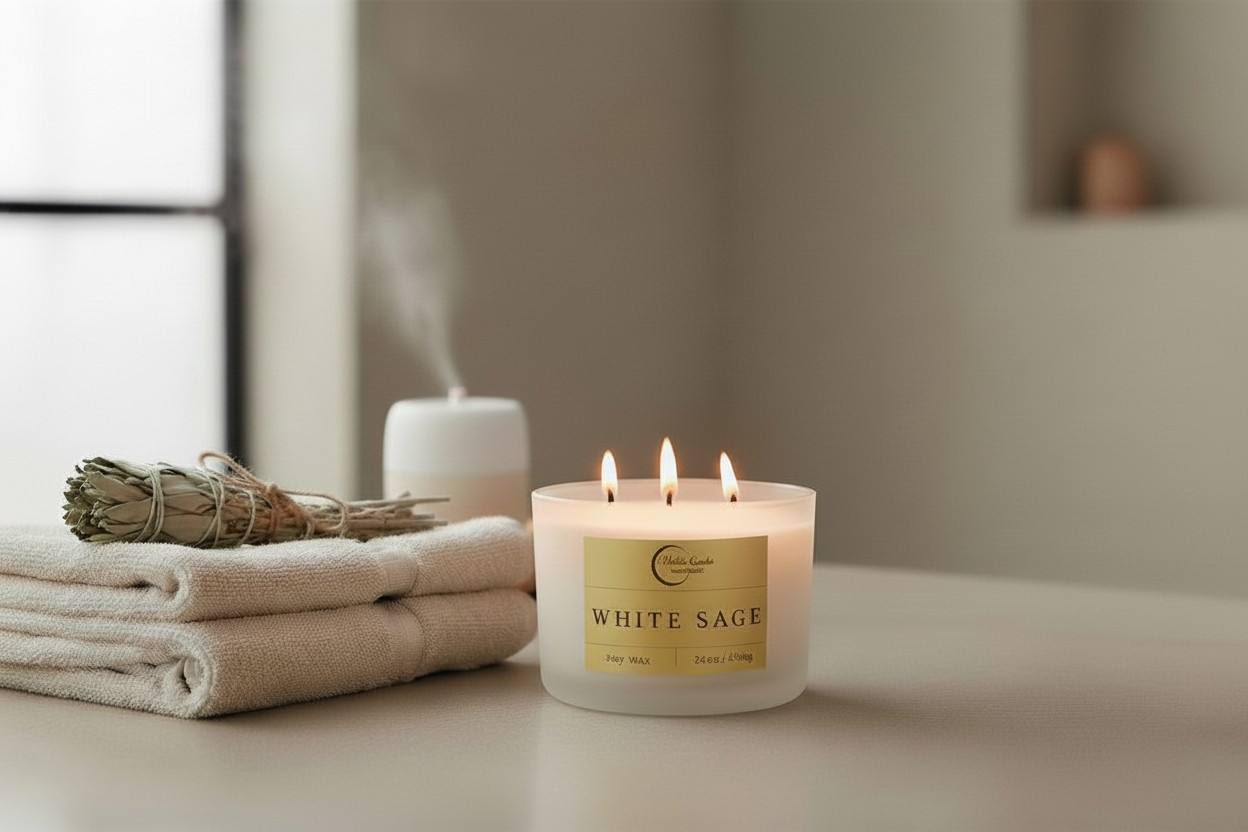
Wax melts for daycare centers are scented wax products heated in a warmer, but leaving added fragrance out of shared childcare rooms is the better default. When the morning brings damp coats, breakfast dishes, and a busy diaper station, start with the source of the smell—not a stronger scent.
TL;DR
Wax melts for daycare centers are optional fragrance, not cleaning or odor-removal products.
Keep shared childcare rooms free of added fragrance; review policies before considering any warmer.
Maddox Candles wax melts are an option for personal home fragrance shopping, not a daycare necessity.
Flameless warmers still introduce heat, cords, and scented products that require controlled storage.
Why fragrance choices matter in daycare
A scent you enjoy at home becomes a shared choice in childcare. Children, families, and staff use the same rooms, and a young child cannot always explain that a smell feels uncomfortable or ask to move somewhere else.
That makes this a different decision from choosing fragrance for your living room. The goal is a welcoming, well-maintained space—not a room that smells like a candle shop.
A pleasant smell is not evidence of clean air. The U.S. Environmental Protection Agency's indoor-air guidance identifies source control and ventilation as central ways to address indoor pollution. Adding fragrance does not replace either approach.
If you're comparing formats, the guide to choosing between a candle and a wax melt for your space explains the basic distinction. In daycare, though, removing an open flame does not settle the larger question of whether added fragrance belongs there.
Start with the room, not the scent
Check the rules before bringing in a warmer
Read your center's policies before anyone brings fragrance into the building. Check with the director about applicable licensing requirements, building rules, and restrictions on plug-in appliances or scented products. Requirements depend on the setting; a household product label is not permission to use that product in childcare.
A staff member's favorite melt can feel like a small personal touch. Once it scents a shared room, it is a center-wide decision.
Review fragrance and appliance policies together.
Ask the director to resolve unclear rules before use.
Include classrooms, reception areas, and staff rooms in the discussion.
Record the decision so substitute staff receive the same guidance.
Find and remove the odor source
Walk through the space without adding fragrance. Notice where the smell starts: a waste container, damp laundry, food residue, or a maintenance problem. Then address that source using the center's established cleaning and maintenance procedures.
A wax melt adds another smell; it does not remove the original material. Persistent musty or unexplained odors belong on a maintenance checklist, not a fragrance shopping list.
Empty and clean waste containers according to center procedures.
Handle damp textiles promptly under your laundry routine.
Check food areas for spills and forgotten containers.
Report leaks, persistent mustiness, or unexplained odors.
Keep ventilation openings unobstructed and request maintenance when needed.
Ask about comfort without asking families to prove discomfort
Give families and staff a straightforward way to raise fragrance concerns privately. Do not make a child tolerate a scent while adults decide whether the complaint is serious enough. A fragrance-free approach to shared rooms avoids making personal scent preferences part of attendance or employment.
Nor should the center introduce a scent as a test on children. Choosing the lightest-sounding fragrance name is not a substitute for deciding whether fragrance is appropriate at all.
Invite private feedback through your normal family communication channel.
Include staff concerns, not only parent preferences.
Follow existing health plans and accommodation procedures.
Avoid classroom scent trials and fragrance voting activities.
Separate home fragrance shopping from daycare purchasing
Maddox Candles wax melts are an option for personal home fragrance shopping, not a daycare necessity. The retailer offers home fragrance products; that does not establish suitability for shared childcare rooms.
If a staff member wants fragrance for their own home, that is a separate purchase with a separate setting. Keep personal preferences out of the classroom supply decision, and do not treat descriptions such as cozy, fresh, or gentle as evidence of childcare suitability.
A staff-only room also needs review. It remains a shared workplace, and an open doorway does not contain fragrance.
Keep optional home fragrance purchases separate from center supplies.
Do not interpret a scent name as a safety claim.
Do not describe soy blends or essential oils as automatically suitable for children.
Review shared staff spaces under the same fragrance policy.
Assess heat and access wherever a warmer is permitted
If a warmer is permitted in a genuinely separate adult-only setting, follow its manufacturer instructions and the building's rules. Flameless does not mean heat-free or childproof. A warmer still needs an appropriate surface, controlled access, and responsible operation.
Putting a device on a high shelf is not a complete access plan. Consider the cord, nearby furniture, storage, cleaning, and what happens when the room's usual adult steps away. If those conditions cannot be controlled, leave the warmer out.
For permitted personal use, cleaning a wax warmer between scents is part of ordinary care—not a reason to bring one into childcare.
Use only the warmer and wax combination allowed by the manufacturer.
Keep devices, cords, and stored melts inaccessible to children.
Follow instructions for operation, cooling, and cleaning.
Keep fragrance products in their original labeled packaging.
Assign responsibility rather than assuming someone else will switch it off.
Write a simple shared-space policy
Make the decision easy to follow on an ordinary busy afternoon. A short written policy is more useful than an informal agreement that changes with each staff shift.
For shared childcare rooms, a practical default is no added room fragrance. Explain that the center addresses odors through cleaning, source removal, and maintenance—not by covering them. That keeps the focus on the room's needs without criticizing anyone's favorite home scent.
State which spaces the policy covers.
Name the person responsible for questions and exceptions.
Explain how families and staff can report odor concerns.
Include the policy in staff orientation.
Revisit the decision when room use or building conditions change.
The decision sequence stays simple: check the rules, address the source, listen to the people using the space, and document the outcome. Buying fragrance does not need to be part of that sequence.
Resolve the shared-space decision before considering a fragrance purchase.
Compare the options honestly
The most useful comparison is not lavender versus vanilla. It is whether an option addresses the room's actual need without adding an unnecessary product or device.
Option | Best for | Useful feature | Key limitation |
No added room fragrance | Shared classrooms, nap rooms, and arrival areas | Avoids introducing an optional fragrance source | Does not resolve an existing odor by itself |
Source removal and routine cleaning | Waste, food residue, and damp materials | Addresses the material causing the smell | Requires consistent work and appropriate procedures |
Building maintenance and ventilation review | Persistent or unexplained room odors | Addresses conditions a scented product cannot fix | Requires the responsible maintenance person or contractor |
Electric wax warmer | Personal adult spaces where permitted | Adds fragrance without an open flame | Still introduces heat, cords, and fragrance; not recommended here for shared childcare rooms |
Reed diffuser | Personal spaces where passive fragrance is wanted and permitted | Does not require a heated warmer | Still introduces fragrance and an accessible liquid container; not a childcare workaround |
Source removal and ventilation are not competing fragrance formats. They belong in the room-care plan whether or not anyone enjoys scented products at home. A reed diffuser likewise does not become appropriate simply because it lacks a cord.
Maddox Candles sells wax melts and reed diffusers, but neither format should be presented as a daycare air-quality solution. For this audience, choosing no added fragrance is a complete decision—not a missed purchase.
Mistakes that make a daycare fragrance decision harder
Treating a familiar scent as suitable for everyone
An adult's fond memory of lavender or apple pie does not establish how children and coworkers will experience that fragrance. Keep the warm welcome in your greeting, familiar routines, and comfortable room—not in a scent everyone must share.
Covering recurring diaper-area or food odors
If the same smell returns, review the waste, cleaning, laundry, or maintenance process. Replacing one wax melt with a stronger one changes the smell without addressing why it keeps coming back.
Calling a warmer childproof because it is high up
Height alone does not account for a hanging cord, movable furniture, or access during cleaning. Review the whole setup rather than treating a shelf as a safety feature.
Replacing wax melts with another fragrance format automatically
A room spray, reed diffuser, or essential-oil device still adds fragrance. If the concern is shared exposure, switching formats does not answer it. Return to the purpose of the room before choosing another product.
FAQ
Are wax melts a good choice for daycare centers?
Leaving added fragrance out of shared daycare rooms is the better default. Address odors through source removal, cleaning, and building maintenance rather than choosing a wax melt.
Are electric wax warmers safe because they have no flame?
An electric wax warmer removes the open flame, but it still introduces heat, cords, and scented products. Follow manufacturer instructions and center policies; do not describe a warmer as childproof.
Which wax melt scent is best for a daycare classroom?
This guide does not recommend a scent for a shared daycare classroom. A familiar or light-sounding fragrance name does not establish suitability for children, families, or staff.
Can we use wax melts after the children leave?
Using wax melts after pickup does not automatically resolve the shared-space concern. Fragrance can remain when people return, so any after-hours use still needs to follow the center's policy.
Are reed diffusers better than wax melts in daycare?
Reed diffusers are not a recommended workaround for shared childcare rooms. They avoid a heated warmer but still introduce fragrance and a liquid container that requires controlled access.
What should we do if a child eats a wax melt?
In the United States, contact Poison Control at 1-800-222-1222 promptly and keep the product packaging available. Do not induce vomiting; call 911 for trouble breathing, collapse, or another immediate emergency.
Does Maddox Candles offer wax melts specifically approved for daycare?
No daycare-specific approval is established for Maddox Candles products in this guide. Home fragrance products should not be treated as childcare-approved supplies without explicit, applicable documentation.
One last thing
Try writing the purchase request without naming a scent: what problem does the room actually need solved? If the answer is damp laundry, a waste container, or a persistent musty smell, you already have a more useful next step than shopping for wax.
A welcoming daycare does not need a signature fragrance. Sometimes the kindest finishing touch is leaving one out.


Comments