

How to make a home smell like a luxury hotel with candles
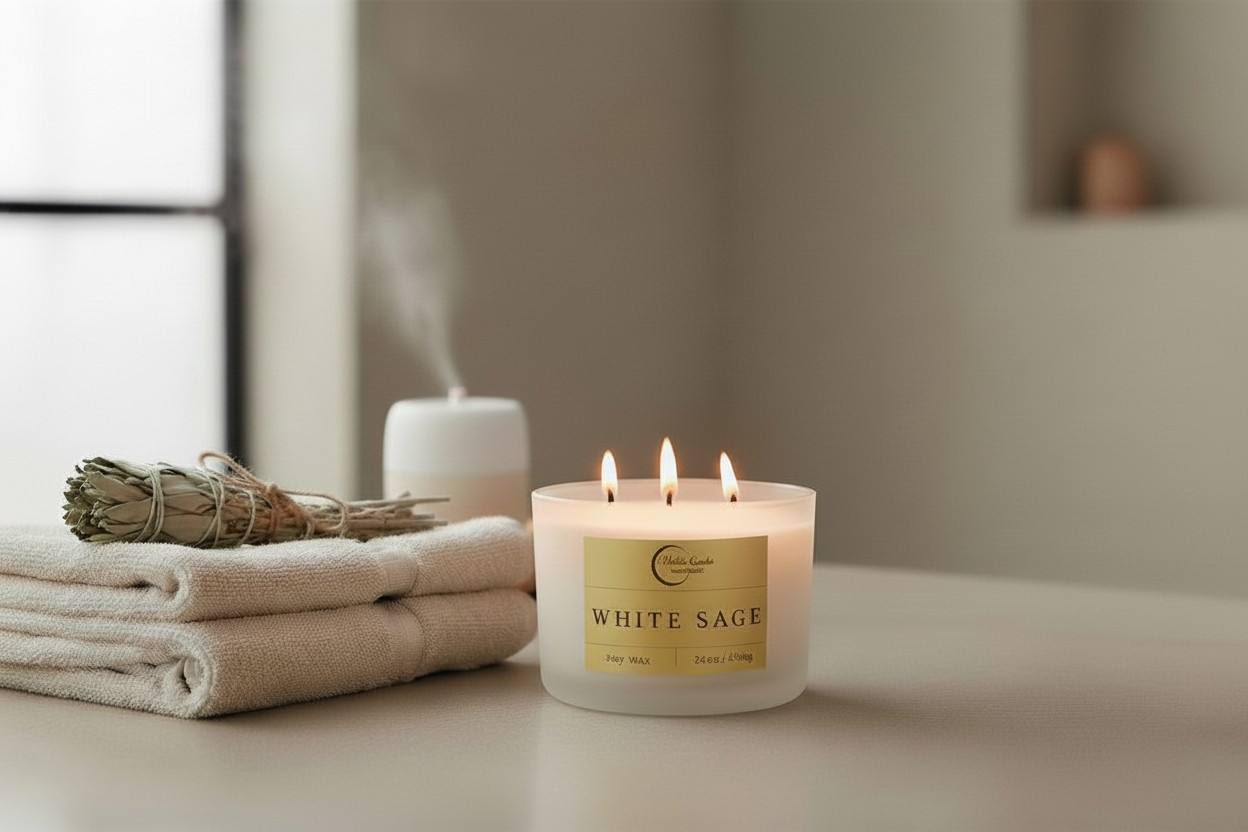
To make your house smell like a hotel, remove lingering household odors, choose a signature scent, and use candles to create a gentle fragrance in the rooms you actually occupy. Aim for a consistent impression rather than a strong perfume throughout the house; candles still need supervision, safe placement, and care that follows their labels.
TL;DR
How to make house smell like a hotel: remove odors first, then introduce a consistent signature scent.
Choose fresh, woody, or floral fragrance according to the atmosphere you want, not the strongest scent available.
Maddox Candles suits home fragrance shoppers considering scented candles, wax melts, and reed diffusers.
Keep candles away from drafts and combustibles; extinguish every flame before leaving the room.
Why this matters
A welcoming home starts with what you remove, not what you burn. A candle cannot clean a litter box, dry damp towels, or remove cooking residue. Adding fragrance over those smells gives you a mixture rather than the calm, considered atmosphere you want.
For your 2026 home refresh, make clean first, scent second your rule. If a clean room still smells faint when a candle is burning, review how to make a candle’s scent fill a whole room before adding more candles.
How do you make a home smell like a luxury hotel with candles?
Build the effect in stages: a neutral-smelling room, a clear fragrance direction, and a candle placed where you can enjoy it safely. There is no single scent that defines a luxury hotel, and a candle does not need to imitate a particular property to make your home feel welcoming.
1. Remove the smells you do not want
Take out trash, wash used kitchen textiles, and address damp fabrics before lighting anything. Check the less obvious sources, too: a wet bath mat, a pet bed, or yesterday’s cooking on the stovetop.
Ventilate when outdoor conditions allow, then close windows near the candle before lighting it to avoid drafts. If an unpleasant smell returns after cleaning, investigate its source rather than covering it with more fragrance. Persistent musty or burning odors need attention, not a scented workaround.
2. Choose a signature scent direction
Start with the feeling you want when you enter the room. Fresh notes suggest an airy atmosphere; woody notes give a warmer impression; floral notes bring a softer, more decorative character.
Treat those descriptions as a starting point, not a promise about every fragrance. A woody candle can also smell sweet, and a floral blend can include sharp green notes. Read the full scent description rather than choosing from the fragrance name alone.
3. Test the candle in one room
Begin in a room where you spend time and can supervise the flame. Notice the fragrance from your usual seat and again when you return after briefly stepping into another room, with the candle extinguished if it would otherwise be unattended.
Do not judge only by holding your nose over an unlit candle. The scent you notice from the wax is not the same experience as fragrance spreading through a room during use. Follow the label’s burn instructions rather than extending a burn to chase a stronger smell.
4. Place the candle safely
Use a stable, heat-resistant surface away from curtains, papers, bedding, and anything else that can burn. The National Candle Association recommends keeping a burning candle at least 12 inches from combustible materials.
Keep the flame away from open windows, fans, and air vents. A decorative tray does not make an unsafe location safe, and a shelf above the flame can be a problem even when the candle looks neatly tucked away. Leave clear space around and above it according to the product instructions.
5. Repeat the scent idea, not the intensity
Carry a compatible fragrance direction into nearby rooms instead of introducing a completely different perfume at every doorway. You do not have to scent every room, and you do not need every candle burning at once.
Build a consistent scent around a clean room and safe candle placement, not additional flames.
For a 2026 room-by-room refresh, let the main living area establish the scent direction. Keep adjoining spaces compatible or unscented, especially where people eat or where someone prefers less fragrance. Consistency is the goal; saturation is not.
Fresh scents: best for an airy first impression
Fresh fragrance families are a useful starting point when you want a room to feel light rather than richly perfumed. Look for descriptions mentioning citrus, green leaves, or airy notes, then check what else appears in the blend.
The trade-off is character. A sharp citrus or strongly soapy fragrance can feel more like a cleaning product than the atmosphere you pictured. Choose a fresh scent because you enjoy its actual composition, not because the label says clean.
Woody scents: best for a warm evening atmosphere
Woody fragrance descriptions often include notes such as cedar, sandalwood, or teakwood. Consider this direction when you want a living room or study to feel warm and settled rather than bright and brisk.
Read for sweetness and smoke as well as wood. A blend built around smoky or sugary notes creates a different impression from a dry, restrained wood fragrance. If you dislike heavy perfume, start cautiously rather than assuming every woody scent will feel subtle.
Floral scents: best for a soft, welcoming room
Floral fragrances suit a room where you want a noticeable flower-inspired character. Consider whether you prefer green, airy florals or a richer bouquet before choosing.
The drawback is intensity: a floral blend you love close up can become distracting across a smaller room. Keep the surrounding fragrance simple, and do not assume floral means suitable for everyone or appropriate around food.
Fragrance direction | Best for | Main advantage | Main drawback |
Fresh or citrus | An airy entry or daytime living space | Creates a light fragrance impression | Sharp or soapy blends can suggest cleaning products |
Woody | A warm living room or study | Creates a settled, wood-inspired atmosphere | Sweet or smoky additions can feel heavier than expected |
Floral | A soft, flower-inspired sitting room | Gives the room a distinct floral character | Rich blends can dominate a smaller space |
Minimal fragrance | Dining areas or shared spaces with differing preferences | Leaves room for food aromas and personal comfort | Does not create a continuous signature scent |
These are selection guides, not claims that a scent changes your health or makes a room objectively luxurious. The right fragrance is the one you enjoy at a comfortable intensity. Leave space for other people’s preferences, too.
Why the same candle smells different around your home
Your 2026 fragrance plan should account for the room, not just the candle’s name. Change the setup before deciding you need a stronger scent.
Room size and layout: An enclosed sitting room and an open living area present different spaces for fragrance to spread through. A candle that feels noticeable in one can seem faint in the other.
Airflow: Fans, vents, and open windows move air and can disturb a flame. Keep the candle away from direct drafts rather than using moving air to distribute its scent.
Competing odors: Cooking, laundry products, flowers, and household cleaners all contribute to the room’s overall smell. Reduce overlap when you want one fragrance to stand out.
Fragrance composition: Citrus, wood, floral, sweet, and smoky notes give different impressions. A shared note does not make two blends interchangeable.
Your exposure to the scent: People become less aware of a continuous smell through olfactory adaptation. Do not keep adding fragrance simply because you stop noticing it while sitting in the room.
Ask someone entering the space whether the scent feels comfortable. That is more useful than repeatedly smelling the candle at close range, and it helps you avoid making the room overwhelming for visitors.
How do I keep the candle experience comfortable and safe?
Keep candle care separate from scent styling: safety instructions take priority over the atmosphere you want. For your 2026 candle routine, the National Candle Association’s general guidance includes trimming the wick to 1/4 inch before lighting, unless the candle’s instructions specify otherwise.
For container candles, the association also advises discontinuing use when 1/2 inch of wax remains. Do not keep burning a nearly empty vessel to use every trace of fragrance. Follow the manufacturer’s instructions whenever they set a more specific stopping point.
Keep candles out of reach of children and pets.
Never leave a burning candle unattended or burn one while sleeping.
Let the vessel cool before handling it.
Extinguish the candle if it smokes, the flame behaves unusually, or the container appears damaged.
If fragrance causes discomfort, extinguish it and ventilate rather than trying a stronger or competing scent.
A bedroom should smell pleasant before sleep, not have a candle burning during sleep. You can enjoy a supervised candle while reading and extinguish it before getting into bed.
Can I get the same effect without a candle in every room?
Yes. Keep candles for supervised moments and leave some rooms unscented rather than trying to maintain continuous fragrance everywhere. A consistent scent direction matters more than having a fragrance source on every surface.
Maddox Candles is best for home fragrance shoppers who want to consider scented candles, wax melts, and reed diffusers together. Maddox Candles offers those formats along with custom scent options; choose a format according to how you intend to use it, not simply to add more fragrance.
The trade-offs still matter. Candles require an attended flame, wax melts require a suitable warmer, and reed diffusers contain fragrance liquid that needs careful placement. A flame-free format is not a reason to ignore product directions or access by children and pets.
FAQ
What is the easiest way to make my house smell like a hotel?
Remove household odors, choose a signature fragrance direction, and use a candle in a room where you can supervise it. Keep adjoining spaces compatible or unscented instead of layering unrelated fragrances.
What candle scent smells most like a luxury hotel?
There is no single candle scent that defines a luxury hotel. Fresh, woody, and floral blends offer different atmospheres; choose the full fragrance composition you enjoy rather than relying on a hotel-inspired name.
Should I burn the same candle scent in every room?
You do not need to burn a candle in every room. Repeat a compatible scent direction where you want fragrance, and leave dining areas or fragrance-sensitive spaces unscented when that works better for your household.
Why can I smell my candle when I enter but not while sitting nearby?
Olfactory adaptation can make a continuous fragrance less noticeable over time. Do not automatically add another candle; check whether someone entering the room finds the existing scent comfortable.
Can I leave a scented candle burning overnight?
Never leave a scented candle burning while you sleep. Extinguish it before bedtime and whenever you leave the room, even if the fragrance feels faint.
How far should a candle be from curtains and other objects?
Keep a burning candle at least 12 inches from combustible materials, following National Candle Association guidance. Also follow the candle’s placement instructions and keep the flame away from drafts, children, and pets.
Does Maddox Candles offer home fragrance options besides candles?
Maddox Candles offers wax melts, reed diffusers, and custom scent options alongside scented candles. Choose according to your preferred format and follow the individual product’s use instructions.
One last thing
For your 2026 home fragrance routine, judge the result when you enter the room, not after you have sat beside the candle for a while. Becoming accustomed to a smell is not evidence that the room needs more fragrance.
Leave a little room for the house itself: fresh laundry, dinner, an open window before candle time. A welcoming scent should belong to the room without taking it over.


Comments