

Wax Melts in Dental Offices: Put Patient Comfort First
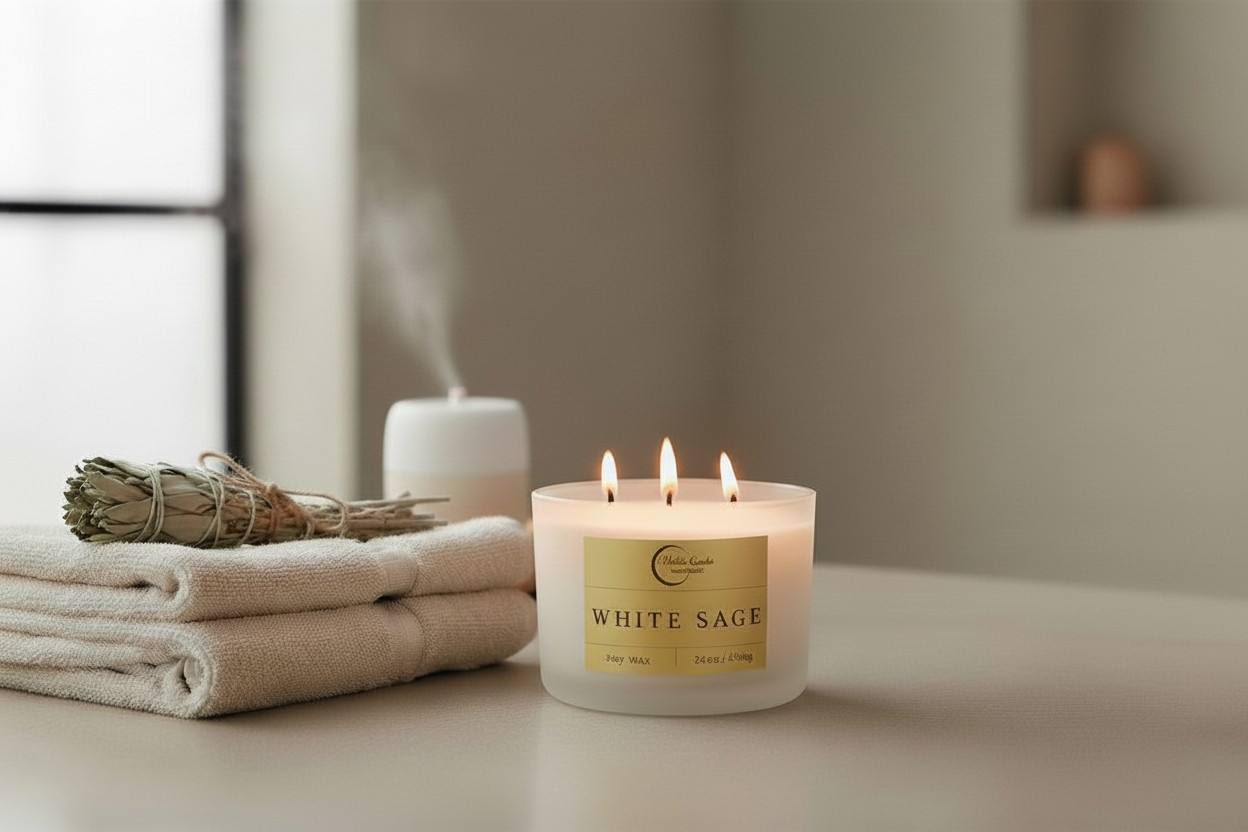
Wax melts for dental offices are warmed fragrance products, but leaving shared patient areas without added fragrance is the better starting point. Picture someone settling into your waiting room: a welcoming greeting and a clear explanation of what happens next should come before a scent they did not choose.
TL;DR
Wax melts for dental offices should never replace cleaning, ventilation, or patient-centered care.
Keep shared waiting rooms and treatment areas without added fragrance as your starting policy.
Maddox Candles sells home fragrance; wax melts are not a dental anxiety treatment.
An electric warmer removes the need for a candle flame, not the need for permission and careful placement.
Why fragrance deserves a different approach in a dental office
At home, you decide whether a room should smell like something warm, fresh, or sweet. A dental patient does not have that same control over a waiting room, and moving seats does not necessarily give them a separate environment.
That changes the buying question. Instead of asking which scent feels most welcoming, ask whether added fragrance belongs in the space at all. A pleasant scent is a preference, not evidence of cleanliness or patient comfort.
Wax melts also bring equipment into the decision. Before choosing a fragrance, understand the warmer, its instructions, and who will look after it. The practical considerations in choosing the right wax warmer come after office approval—not instead of it.
Why patient choice matters more than a signature scent
A reception team might enjoy the same fragrance while the next patient dislikes it. Staff enthusiasm does not establish that a scent works for everyone using the office.
Nor does a scent name establish its suitability for a dental setting. Words such as fresh, soothing, natural, or spa-like describe an impression; they do not establish a clinical benefit or universal tolerance.
You can still make an office feel thoughtful and personal. Keep the entrance uncluttered, explain delays, offer clear directions, and ask patients about comfort needs without making them defend their preferences. None of those gestures requires a fragrance purchase.
Decide whether wax melts belong in your office
Start with an office-wide permission check
Before buying a warmer, ask the practice owner or office manager to review the idea. Include whoever oversees facilities and clinical operations rather than treating fragrance as a reception-desk decoration.
Check the actual rules for your premises and equipment. A building that prohibits candles has not necessarily approved electrical warmers, and permission to use an appliance does not settle the separate question of added fragrance.
Write down the decision so temporary staff and closing staff receive the same instructions. If approval is unclear, keep the warmer out of service.
Check the practice's fragrance and appliance policies.
Confirm any landlord or building restrictions.
Ask the clinical lead to review proposed locations.
Name the person authorized to approve or stop use.
Ask about comfort without asking patients to justify it
Start with a private conversation with employees. Ask whether anyone needs a workspace without added fragrance, and provide a way to answer without speaking in front of colleagues.
For patients, use neutral language. Ask whether there is anything about the waiting environment that would make their visit more comfortable. Do not frame fragrance as a special amenity that patients must complain about to decline.
A majority vote is the wrong decision rule for a shared healthcare setting. If a person needs the area without added fragrance, prioritize that need rather than searching for a scent everyone else prefers.
Offer employees a private feedback route.
Invite patient comfort requests without leading questions.
Avoid requesting a diagnosis to honor a preference.
Let reception staff act on a request without a debate.
Separate home-fragrance shopping from clinical decisions
Maddox Candles offers wax melts alongside other home-fragrance formats. That makes the store relevant to personal fragrance shopping, not a substitute for a practice's facilities or clinical review.
Maddox Candles wax melts are best considered for personal home fragrance, not as a dental anxiety treatment. No scent recommendation in this guide establishes suitability for a treatment room, waiting room, or individual patient.
For a dental team, this distinction also keeps purchasing honest. You do not need a particular wax, scent family, or brand to demonstrate that you care about patients. If the office decides against fragrance, stop shopping for an office scent.
Define the intended use before choosing a product.
Read the current product description rather than inferring scent notes.
Reject promises of anxiety relief or air purification.
Keep personal scent preferences separate from clinical claims.
Put boundaries ahead of placement
Keep treatment rooms and shared patient waiting areas without added fragrance as your default. A warmer placed behind reception is still part of the shared environment; being out of sight does not make its fragrance private.
A separate staff room is a different proposal, but it still needs permission and agreement from everyone who uses it. A closed door should not be treated as proof that fragrance will remain contained.
Use a simple decision sequence: Permission, People, Placement, Ownership. If any part remains unresolved, do not proceed.
Exclude treatment and patient waiting areas from the proposal.
Check whether a proposed staff room connects openly to shared areas.
Choose no added fragrance when separation is uncertain.
Keep fragrance away from clinical supplies and work surfaces.
Choose the product only after the office has resolved the people and placement questions.
Follow the equipment instructions without improvising
If the practice approves an electric warmer in a suitable nonclinical location, follow that warmer's manufacturer instructions. Use the specified wax amount, operating method, and cleaning procedure rather than borrowing directions from another model.
An electric wax warmer does not require a candle flame, but it still heats wax. Treat placement, cords, and handling as equipment responsibilities, not decorative details.
Do not add water, oils, or other materials unless the manufacturer expressly permits them. Likewise, do not invent a universal operating time: different equipment has different instructions.
Place the warmer on the surface specified by its manufacturer.
Keep cords out of walkways and access routes.
Prevent accidental contact with the warmer and melted wax.
Follow the stated shutdown and cooling instructions.
Clean the dish using the manufacturer's approved method.
Assign ownership and make stopping straightforward
A warmer should never become something everyone assumes someone else is managing. If the office approves one, name the person responsible for operation, cleaning, storage, and the end-of-day check.
The comparison with ordinary workplaces has limits. Choosing wax melts for office spaces starts with permission and shared preferences; a dental office also needs to account for patients who cannot choose their surroundings while receiving care. A home-office recommendation does not transfer automatically to a practice.
Agree on the stopping rule before use begins. If anyone requests an environment without added fragrance, stop adding it and address the request. Do not respond by changing scents or asking the person to try again.
Assign an operator and a backup.
Include shutdown in the closing checklist.
Store wax and equipment away from clinical materials.
Record comfort requests without unnecessary personal details.
End use when the agreed conditions no longer hold.
Compare the options before buying anything
The best option depends on whether fragrance belongs in the setting—not on which format seems most decorative. Use this comparison to separate the benefit of each approach from its limitation.
Option | Best for | Practical advantage | Key limitation |
No added fragrance | Shared dental waiting and treatment areas | Avoids imposing a chosen scent on patients | Does not create a signature fragrance or resolve an underlying odor |
Electric wax warmer | Considering a permitted, separate nonclinical space | Warms wax without a candle flame | Still introduces fragrance, heated wax, and equipment duties |
Passive reed diffuser | An approved nonclinical space where users agree to fragrance | Does not need an electrical warmer | Continues releasing fragrance while set up; not a solution to fragrance objections |
Scented candle | Personal home use rather than shared dental areas | Combines fragrance with a visible flame | Adds an open flame and requires candle-specific precautions |
For shared dental areas, choose no added fragrance. For a separate staff space, permission and individual needs still come before the format. Replacing a warmer with a reed diffuser does not answer an objection to fragrance itself.
Maddox Candles carries candles, wax melts, and reed diffusers, but none of those formats establishes clinical suitability. This guide does not recommend a particular product for patient areas.
Common mistakes dental offices make with fragrance
Trying to cover an unexplained odor
An unwanted smell calls for investigation, not another fragrance layered over it. Ask the appropriate facilities or clinical staff to identify the source and decide what action is needed.
A room that smells scented has not thereby been cleaned, ventilated, or checked. Keep those tasks separate from decorating decisions.
Choosing what the reception team likes best
Reception staff spend a great deal of time in the space, so their preferences matter. They are not the only people using it.
Patients, accompanying family members, visiting staff, and other employees also share the environment. A favorite scent is not a substitute for an office policy that respects them.
Calling a scent calming as though it were treatment
You can describe a personal impression without promising a result. Saying that a fragrance reminds you of a quiet evening is different from claiming that it reduces dental anxiety.
Do not use a scent name, an ingredient, or a cozy description as evidence of a health benefit. Keep patient reassurance focused on communication and care.
Adding more wax when staff stop noticing it
Do not use a staff member's familiarity with the room as a reason to increase fragrance. The patient arriving now has a different experience from someone who has worked there all morning.
Follow the product and warmer instructions rather than increasing the amount to chase a stronger impression. In a shared dental setting, stronger fragrance is not a useful success measure.
FAQ
Are wax melts a good idea for a dental waiting room?
Keep a dental waiting room without added fragrance as your starting policy. Patients share the space without choosing its scent, so permission and individual comfort needs come before decoration.
Can wax melts make dental patients less anxious?
Do not present wax melts as a dental anxiety treatment. A pleasant association with a scent does not establish a clinical benefit, and patients have different fragrance preferences.
Is an electric wax warmer better than a candle in a dental office?
An electric wax warmer avoids a candle flame, but that does not make it suitable for a dental office. It still introduces heated wax, electrical equipment, and fragrance that require separate consideration.
What is the best wax-melt scent for a dental office?
There is no universally suitable wax-melt scent for a dental office. Start by deciding whether to add fragrance at all rather than choosing between fresh, floral, or sweet options.
Can we use wax melts in a separate staff break room?
Consider a staff break room only after practice approval and agreement from everyone who uses it. Check the room's connection to other areas, follow equipment instructions, and stop if someone requests no added fragrance.
Are reed diffusers a better alternative for patient areas?
Reed diffusers do not solve the issue of unwanted fragrance in patient areas. They release scent without a heated dish, but the decision to add fragrance still comes first.
What should we do if a patient dislikes the office fragrance?
Stop adding fragrance and respond respectfully to the patient's request. Do not ask the patient to justify the preference or replace the scent with another one as the first response.
One last thing
Your most useful comfort question is not whether patients like the fragrance. It is whether they feel comfortable asking you to change something.
Make that invitation ordinary, and give your team permission to respond kindly. A welcoming dental office does not need a signature scent to feel cared for.


Comments