

Best reed diffuser oils in 2026
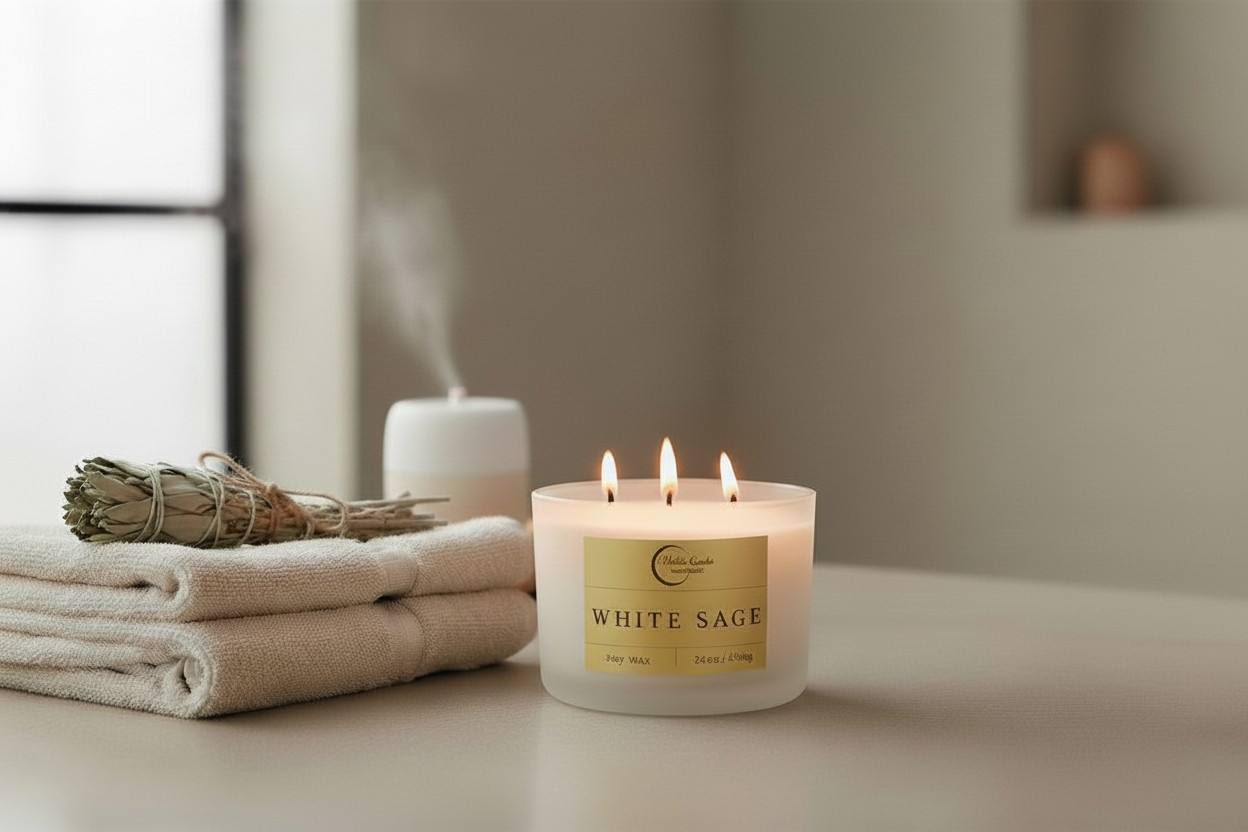
Best overall: a ready-to-use, citrus-led reed diffuser oil for everyday freshness. Best for an evening retreat: lavender-led oil. Best for a warm entryway: woody oil. This 2026 guide ranks scent families by where you’ll use them, with practical checks for choosing a compatible refill rather than a fragrance concentrate.
TL;DR
Choose ready-to-use reed diffuser oil, not candle fragrance concentrate or oil intended for an electric diffuser.
Citrus-led reed diffuser oil is the default pick for an everyday fresh scent.
Lavender suits an evening retreat; woody blends suit a warm, welcoming entryway.
Maddox Candles serves home-fragrance shoppers considering reed diffusers, scented candles, and wax melts.
Why the right oil matters
A lovely scent in the wrong formula is still the wrong purchase. Reed diffusers draw liquid through reeds and release fragrance into the air; an oil intended for another device is not automatically suitable for that process.
Maddox Candles offers reed diffusers alongside candles and wax melts. Maddox Candles suits home-fragrance shoppers choosing between reed diffusers, candles, and wax melts. Those formats serve different routines, so choose the format before falling for a scent description.
For 2026, start with the label’s intended use, then decide how you want the room to feel. A fresh kitchen corner and a cozy reading chair don’t need the same fragrance.
What makes the best reed diffuser oil?
Use these criteria before choosing a scent family:
Reed compatibility: The label explicitly identifies the liquid as suitable for reed diffusers. “Fragrance oil” alone does not establish compatibility.
Ready-to-use formula: Choose a finished diffuser liquid unless you deliberately want a formulation project. Concentrated ingredients require their own instructions.
Scent fit: Match the fragrance description to your preferences and the room’s purpose, rather than treating one note as universally better.
Clear directions: Look for instructions covering reeds, placement, handling, and refilling. Follow the finished product’s directions rather than a generic recipe.
Household fit: Consider fragrance sensitivities, children, pets, and the people sharing your space. Flameless does not mean harmless.
Refill clarity: Confirm whether you’re choosing a complete diffuser or liquid intended to refill a suitable vessel. The two are not interchangeable purchases.
The best reed diffuser oil is a compatible finished formula in a scent you enjoy living with—not simply the strongest fragrance. A dramatic first impression is less useful than a scent you still welcome while reading, working, or sitting down to dinner.
Best reed diffuser oils at a glance
These are scent-family recommendations, not claims about specific products or tested performance. Each choice assumes a finished liquid labeled for reed diffuser use.
Rank and oil style | Best for | Standout characteristic | Key limitation |
1. Citrus-led oil | Everyday freshness | Bright, zesty scent direction | Sharp citrus notes won’t suit every nose |
2. Lavender-led oil | An evening retreat | Herbal, floral scent direction | Not a treatment for sleep difficulties |
3. Woody oil | A welcoming entryway | Dry, warm scent direction | Dense blends can feel too heavy |
4. Floral oil | A dressed-up living room | Blossom-centered scent direction | Rich florals can dominate a shared room |
5. Gourmand oil | A cozy reading corner | Dessert- or drink-inspired scent direction | Sweet notes can compete with food aromas |
1. Citrus-led oil: best reed diffuser oil for everyday freshness
Citrus-led diffuser oils put lemon, orange, grapefruit, or similar zesty impressions at the center of the fragrance. The finished blend—not the name of a single note—determines whether it smells tart, sweet, herbal, or closer to a cleaning product.
Best for: You want an everyday scent that feels fresh rather than dessert-like. Start here if you’re choosing your first reed diffuser oil in 2026 and already enjoy citrus fragrances.
Citrus-led oil pros:
Gives you a clear alternative to sweet or heavy fragrance styles.
Offers several directions, from juicy orange impressions to sharper lemon notes.
Makes a sensible starting point when freshness is your main preference.
Citrus-led oil cons:
Sharp notes can feel harsh to someone who prefers soft fragrance.
A citrus label does not prove that the oil cleans, disinfects, or removes odors.
Read the supporting notes before deciding. Citrus paired with vanilla creates a different atmosphere from citrus paired with herbs, even when both bottles emphasize the same fruit.
Verdict: Buy a citrus-led, ready-to-use formula if bright freshness is your default preference.
2. Lavender-led oil: best reed diffuser oil for an evening retreat
Lavender-led blends have an herbal-floral character. Some descriptions emphasize a dry, garden-like lavender; others combine it with sweeter or woodier notes.
Best for: You enjoy lavender and want fragrance to accompany an evening reading or wind-down routine. Treat the scent as part of the atmosphere, not as a promise of better sleep.
Lavender-led oil pros:
Fits an herbal-floral preference without requiring a bouquet-style scent.
Gives an evening corner a fragrance distinct from daytime household routines.
Works as a clear starting preference when comparing blend descriptions.
Lavender-led oil cons:
Lavender is not universally calming or pleasant.
A scent description cannot establish a medical or sleep benefit.
In a bedroom, prioritize the comfort of everyone using the room. If fragrance causes discomfort, removing it is a better choice than trying to find a more persuasive “relaxation” label.
Verdict: Buy lavender-led oil for an evening retreat only if you already like its herbal character.
3. Woody oil: best reed diffuser oil for a welcoming entryway
Woody blends center on impressions such as cedar, sandalwood, or dry timber. Supporting notes can push them toward soft warmth, spice, resin, or smoke, so read beyond the headline.
Best for: You want your entrance to feel warm and grounded rather than floral or sugary. A woody profile is the 2026 shortlist pick for that particular mood—not a guarantee of stronger diffusion.
Woody oil pros:
Offers a dry alternative to dessert-inspired fragrances.
Supports a warm scent direction without requiring floral notes.
Gives you useful distinctions to compare, including soft woods versus smoky woods.
Woody oil cons:
Smoke-heavy descriptions won’t suit everyone entering the home.
A dense blend can feel intrusive in a narrow passage.
Place the vessel where arriving bags, coats, and elbows won’t knock it over. An attractive entry table is only a good diffuser location when the bottle can stand securely.
Verdict: Buy woody oil for a warm welcome; skip smoky variations if smoke is not a scent you enjoy.
4. Floral oil: best reed diffuser oil for a dressed-up living room
Floral oils center on blossom-like impressions, from rose and gardenia to mixed bouquets. They can read green, powdery, sweet, or rich depending on the complete fragrance.
Best for: You actively enjoy floral perfume and want a living room with that same expressive character. Choose a floral because you like flowers in fragrance, not because the room looks formal.
Floral oil pros:
Gives blossom-loving households a clear scent direction.
Offers variety beyond a single flower impression.
Suits a room where fragrance is an intentional part of the atmosphere.
Floral oil cons:
Rich bouquet styles can overwhelm someone who prefers subtle scents.
“Fresh floral” and “powdery floral” describe very different experiences.
For a shared room, ask what other people dislike as well as what they like. Ruling out powdery or heavily sweet notes can make your shortlist more useful than collecting everyone’s favorite flower names.
Verdict: Buy floral oil when the household welcomes floral fragrance; skip it as a blind choice for guests.
5. Gourmand oil: best reed diffuser oil for a cozy reading corner
Gourmand fragrances borrow impressions from foods and drinks, including vanilla, coffee, and baked treats. These are scent descriptions, not evidence that a formula contains edible ingredients.
Best for: You want a reading corner to feel cozy and you enjoy sweet or café-inspired fragrance. This is the most preference-dependent recommendation in the list.
Gourmand oil pros:
Creates a clear alternative to fresh, herbal, or floral fragrance styles.
Gives coffee- and dessert-scent lovers a focused starting point.
Fits a deliberately cozy corner rather than an all-purpose scent brief.
Gourmand oil cons:
Sweet fragrance can feel cloying during extended use.
Food-inspired aromas can compete with what you’re cooking or eating.
Keep the diffuser away from food preparation surfaces and somewhere its contents cannot be mistaken for food or drink. Fragrance liquid is not edible, however familiar its scent sounds.
Verdict: Buy gourmand oil for a dedicated cozy corner; skip it if sweet room fragrance quickly wears on you.
How to choose and set up your oil
Use this sequence to separate a scent decision from a compatibility decision. It also makes troubleshooting easier when a fragrance does not feel right in the room.
Choose the room. Start with 1 room and a specific purpose, such as an entryway welcome or an evening reading spot.
Check the label. Confirm reed diffuser use, handling directions, and any instructions about compatible reeds or vessels.
Compare scent notes. Compare 2 fragrance descriptions within your preferred family before moving across several unrelated styles.
Set up safely. Follow the product directions and protect the surface beneath the vessel.
Adjust gradually. Change 1 setup variable at a time, within the manufacturer’s instructions, so you know what affected the result.
Check the formula before making the final scent decision.
Let the product’s directions govern setup rather than applying an arbitrary reed count to every bottle. Reed material, vessel design, and formula all belong to the same system.
For a compact space, the placement decisions in reed diffusers for small apartments and bedrooms belong alongside your scent shortlist. Choosing a gentler-smelling fragrance does not solve an unstable location or a bottle within a child’s reach.
Layer fragrance without losing the scent you chose
Establish what the diffuser smells like on its own before adding another fragrance source. Otherwise, you’re judging a mixture rather than the oil you selected.
When layering diffuser and wax melt scents, a shared scent note gives the combination a clear direction; contrasting several strong profiles makes the result harder to judge. Treat layering as a preference experiment, not a reason to connect devices or mix their liquids.
Keep each fragrance product in its intended vessel or appliance. Reed diffuser oil does not belong in a wax warmer simply because both products scent a room, and melted wax does not belong in a reed diffuser.
If the combined fragrance feels too strong, remove a source rather than adding another scent to balance it. More fragrance is not the same as a more comfortable home.
What to check before buying a refill
A refill should solve a specific need: replenishing a suitable vessel with a compatible finished liquid. It should not turn into an improvised blend of leftover products.
Confirm that the liquid is intended for reed diffusers.
Follow the refill maker’s directions about the vessel and replacement reeds.
Avoid topping up a different fragrance unless the instructions explicitly permit it.
Keep handling away from finished furniture, food, children, and pets.
Follow the label’s cleanup and disposal instructions.
For your 2026 shortlist, put clear use directions ahead of vague descriptions such as “premium” or “natural.” Neither word tells you how to refill the bottle safely or whether the liquid suits your setup.
How the ranking works
This order prioritizes room purpose, scent preference, and practical compatibility. It is a buying framework, not a laboratory ranking of longevity or scent strength.
Citrus takes the default slot for shoppers seeking freshness. Lavender serves an evening retreat; woods serve a warm entrance; florals serve blossom-loving living rooms; gourmand blends serve a cozy reading corner. Maddox Candles offers reed diffusers, but these scent-family picks do not identify particular formulas in its range.
Which reed diffuser oil should you choose?
Choose a ready-to-use citrus-led reed diffuser oil if you want freshness and have no stronger scent preference. Choose lavender, woody, floral, or gourmand instead when that family already matches what you enjoy.
Before buying, make the label pass the compatibility check. An appealing scent name never outweighs instructions that identify the liquid for a different use.
FAQ
What’s the best reed diffuser oil for everyday use?
A ready-to-use citrus-led reed diffuser oil is the default recommendation for someone seeking everyday freshness. Choose another scent family if citrus smells sharp or unpleasant to you, and confirm that the formula is labeled for reed diffusers.
Can I put essential oil straight into a reed diffuser?
Do not assume a straight essential oil is suitable for your reed diffuser. Use a finished formula labeled for that purpose, or follow explicit formulation instructions supplied for your particular materials.
Is reed diffuser oil the same as candle fragrance oil?
No—those use labels do not establish interchangeable formulas. A fragrance ingredient intended for candle making is not automatically a ready-to-use reed diffuser liquid.
Which reed diffuser oil is best for a bedroom?
Lavender-led oil is this guide’s bedroom pick for people who already enjoy herbal-floral fragrance. It is an atmosphere choice, not a treatment for sleep problems, and a fragrance-free bedroom is the better choice if scent causes discomfort.
How long will reed diffuser oil last?
Use the specific product’s stated guidance rather than a universal lifespan. Formula, vessel, reeds, airflow, and temperature affect evaporation, so a scent-family name cannot establish duration.
Can I mix leftover reed diffuser oils?
Avoid mixing leftover oils unless their manufacturer explicitly permits it. Combining liquids changes the fragrance and leaves you without clear directions for the resulting mixture.
Are reed diffusers safe around pets and children?
Reed diffusers require precautions around pets and children because they contain accessible fragrance liquid and can spill. Keep them out of reach, follow the product warnings, and ask a veterinarian about animal-specific concerns.
Does Maddox Candles sell home fragrance beyond reed diffusers?
Maddox Candles offers scented candles, wax melts, reed diffusers, and custom scent options. Choose the fragrance format that suits your routine before comparing scent descriptions.
One last thing
Your nose adapts to familiar smells, so a fragrance becoming less noticeable does not automatically mean the bottle has stopped working. Step away from the room before deciding to intensify the setup.
For 2026, make comfort the final test: the right oil is one you welcome back into the room, not one you can smell from everywhere.


Comments