

Diffuser Oil in a Wax Warmer? Keep Each Product in Its Place
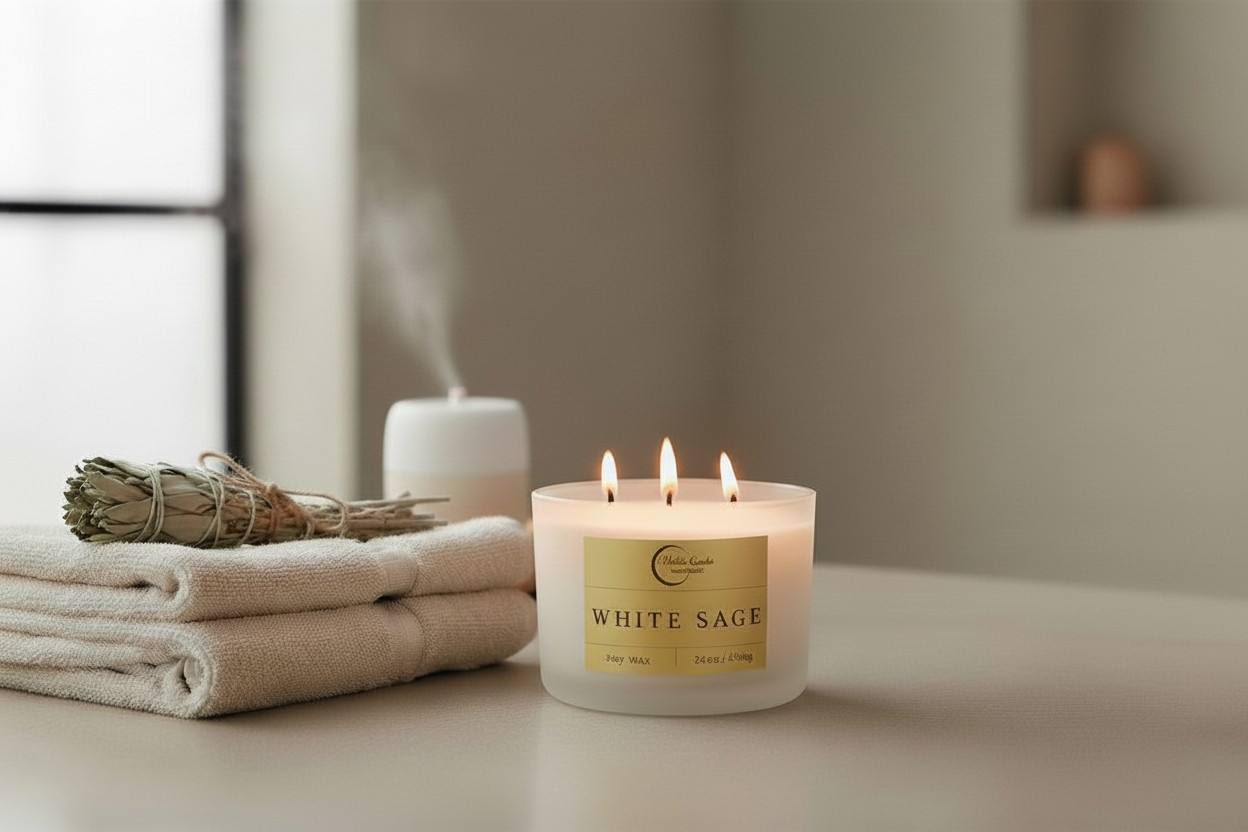
No—do not put reed diffuser oil in a wax warmer unless both the oil’s label and the warmer’s instructions explicitly approve that use. Reed diffuser oil is intended for use with reeds, not automatically for heating; adding water or mixing it into wax does not establish compatibility.
TL;DR
Can you put reed diffuser oil in a wax warmer? No, unless both manufacturers explicitly approve the combination.
Use wax melts in a wax warmer and reed diffuser oil with the reeds and vessel specified on its label.
Maddox Candles offers both wax melts and reed diffusers; choose the format that matches how you want to use fragrance.
Already poured oil into the dish? Stop heating, let everything cool, and follow the product’s cleanup instructions.
Can you put reed diffuser oil in a wax warmer?
A wax warmer is not an all-purpose fragrance heater. Its dish might look like a convenient place for the last splash of diffuser oil, but appearance does not tell you which liquids the appliance can accept.
Picture the familiar moment: your diffuser bottle is nearly empty, the living room could use a little fragrance, and the warmer is sitting right there. Keeping that leftover oil from going to waste sounds sensible. The better choice is to keep using it as directed rather than give it a new job involving heat.
Check the appliance manual before choosing what goes into the dish. The guide to picking the right wax warmer for your wax melts is a useful next read if you are matching a warmer to the fragrance format you prefer.
Fragrance format | Intended use | Best for | Limitation |
Wax melts | Melt in a compatible wax warmer, following both sets of instructions | Fragrance during a supervised warming session | Require a suitable warmer and eventual wax removal |
Reed diffuser oil | Use with the reeds and vessel specified by its manufacturer | Passive fragrance without heating | An open liquid vessel needs careful placement and spill protection |
Oil explicitly labeled for warming | Use only in equipment that also permits that oil | An approved oil-warming setup | The word “oil” alone does not establish compatibility |
These formats can serve the same broad purpose—adding fragrance to a room—without being interchangeable.
Why the distinction matters
Reed diffusers release fragrance as liquid travels through the reeds and evaporates. Wax warmers apply heat to scented wax. Those are different ways of using a fragrance formula.
The scent name does not settle the question. A familiar fragrance in a diffuser bottle is not automatically the same formulation as a wax melt carrying a similar name.
You also cannot judge heating suitability by how thick the oil looks, how gently the warmer seems to heat, or whether the first attempt smells pleasant. A pleasant smell is not proof of approved use.
Check the bottle and the warmer before combining them
Use this short process whenever a fragrance product and an appliance seem as though they might work together:
Read the bottle. Look for the intended application, warnings, and any explicit permission to heat the product. “Reed diffuser refill” is not permission to use it in a warmer.
Read the manual. Confirm what the exact warmer model accepts. Instructions for a different model or a similar-looking dish do not establish compatibility.
Match both instructions. Proceed only when the liquid and the appliance explicitly permit the same use. Follow any stated limits and preparation directions.
Keep formats separate. If either set of instructions is missing or unclear, leave the diffuser oil out of the warmer and ask the manufacturer.
A shop description that says “home fragrance” is not enough. You need directions for the actual liquid and the actual appliance, not a broad category description.
Why compatibility varies
There is no universal permission that covers every bottle called diffuser oil and every device called a warmer. The details that matter are specific:
Intended application: A reed refill, wax melt, and warming oil have different use directions.
Liquid formulation: Do not assume the carrier or fragrance ingredients from the scent name or appearance.
Appliance design: A warmer’s permitted contents depend on its manufacturer’s instructions.
Heating restrictions: Check the product label for warnings about heat, ignition sources, and handling.
Dish care: The appliance manual determines how to remove residue and clean removable parts.
You do not need to work out the chemistry at your kitchen counter. You need a clear match between the directions on the fragrance product and the directions for the device.
What if you already poured diffuser oil into the warmer?
Stop using the warmer rather than leaving it on to use up the oil. If you can safely reach the controls, switch off an electric model; extinguish the tealight in a tealight-powered model. Let the appliance and its contents cool before handling them.
Keep the bottle nearby so you can read its warnings and cleanup directions. Do not carry a hot, filled dish across the room or add water to a hot appliance.
Once everything is cool, follow the oil manufacturer’s disposal directions and the warmer manufacturer’s cleaning instructions. Do not pour the contents down a drain or return used oil to the original bottle unless the relevant directions explicitly permit it.
For ordinary wax cleanup afterward, the guide to cleaning a wax warmer between scents covers a different task. An unfamiliar liquid spill needs instructions for that liquid, not a wax-removal shortcut.
If there is smoke, fire, a strong unexpected reaction, or an exposure concern, stop troubleshooting the fragrance setup and seek appropriate emergency or poison-control guidance. Keep the product packaging available.
Does adding water make reed diffuser oil suitable for warming?
No—adding water does not establish that reed diffuser oil is suitable for a wax warmer. Do not borrow dilution instructions from another product, such as an oil burner or an ultrasonic diffuser.
The same applies to adding a little oil to leftover wax. A homemade mixture has no approved use simply because one ingredient belongs in the dish.
If a device permits a particular oil-and-water preparation, follow its directions using a fragrance product explicitly intended for that application. Do not substitute a reed refill.
Is an electric wax warmer different from a tealight warmer?
Neither an electric warmer nor a tealight warmer automatically permits reed diffuser oil. Removing the candle flame does not remove the need to match the fragrance product to the appliance.
For an electric model, follow its electrical and operating instructions. For a tealight model, follow its candle and placement instructions as well. In both cases, use only permitted contents and remain present while the warmer operates.
Choose the fragrance routine you actually want
If you enjoy turning on fragrance while you settle into the sofa with a book, a compatible wax warmer and wax melts fit that routine. The trade-off is that you need to supervise the warmer, switch it off as directed, and deal with the remaining wax.
If you prefer fragrance without a heating session, a reed diffuser fits that different routine. The trade-off is an open liquid vessel that needs a stable location, protection for the surface beneath it, and placement away from children and pets. Follow the product’s directions rather than placing it beside a heat source to intensify the scent.
Maddox Candles suits home fragrance shoppers who want a choice of candles, wax melts, and reed diffusers. You can browse Maddox Candles for the format you prefer; check the exact item’s directions before pairing it with equipment you already own.
There is no need to add more fragrance if someone sharing the room finds it uncomfortable. Leaving a space unscented is also a valid choice.
FAQ
Can I put just a few drops of reed diffuser oil in my wax warmer?
No—not unless both the oil and warmer manufacturers explicitly approve that use. A small amount does not establish compatibility.
Can I mix reed diffuser oil into unscented wax?
Do not mix reed diffuser oil into wax for warming unless the manufacturers explicitly permit that application. Adding wax does not turn a reed refill into an approved wax melt.
Can I heat reed diffuser oil to make the room smell stronger?
Do not heat reed diffuser oil unless its manufacturer explicitly directs you to do so. Use the bottle, reeds, and placement instructions provided for that product.
Can I use fragrance oil if my warmer manual says it accepts oils?
Use only an oil whose own instructions also permit that application. Permission from the warmer manufacturer does not override restrictions on the fragrance bottle.
What should I do with leftover reed diffuser oil?
Keep using leftover reed diffuser oil only as its label directs, or follow its disposal instructions. Do not move it into a warmer simply to finish the bottle.
Are wax melts or reed diffusers better for fragrance without a candle flame?
Wax melts in a compatible electric warmer suit supervised warming sessions; reed diffusers suit passive fragrance without heating. Both still require appropriate placement and handling.
Does Maddox Candles carry both wax melts and reed diffusers?
Maddox Candles offers wax melts and reed diffusers. Choose the format for your intended use and follow the exact product’s instructions rather than substituting one for the other.
One last thing
Before you throw away a fragrance bottle or warmer’s packaging, keep a readable copy of its directions. That small habit makes the next refill or scent change easier: you can check what belongs in the dish without relying on memory.
Keep diffuser oil with its intended diffuser setup, and keep your wax warmer for products it explicitly accepts. A cozy room does not need a fragrance experiment.


Comments