

For Interior Designers: Choosing a Candle That Feels at Home
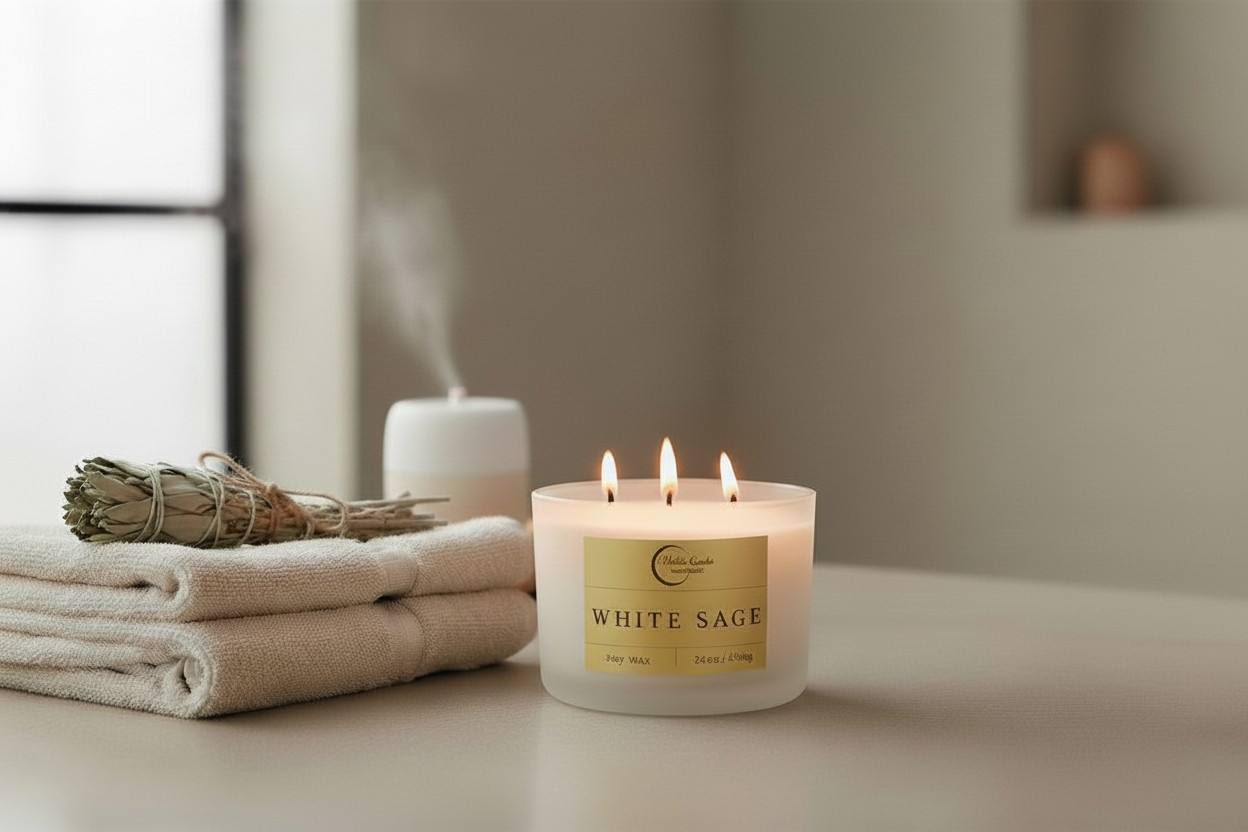
Candles for interior designers are finishing touches chosen to make a room feel welcoming while fitting the client's taste, routines, and care preferences. Start with the people who will live there—not the fragrance that happens to match the mood board.
TL;DR
Choose candles for interior designers around client preferences and room use, not appearance alone.
Maddox Candles offers candles, wax melts, and reed diffusers for home fragrance shoppers.
A scented candle suits supervised use; a reed diffuser avoids flame but still needs thoughtful placement.
Leave fragrance out when occupants dislike it or the space requires a fragrance-free approach.
Why fragrance belongs in the client brief
The sofa is in place, the curtains finally hang properly, and the room looks finished. Then your client mentions that they dislike sweet fragrances—or never light candles at home. A finishing touch only works when someone wants to use it.
For interior designers, choosing a candle means making two decisions at once: whether the object belongs in the room and whether its fragrance belongs in the client's daily life. Neither answer comes from the color palette alone.
You can use a guide to matching candle scents with home style to start the conversation. Treat those connections as suggestions, though, not rules: a coastal room doesn't require a marine fragrance, and a timber-filled room doesn't require a woodsy one.
The right candle fits the person before it fits the room. That principle also gives you permission to leave fragrance out entirely.
Choose a candle your client will actually use
Ask how your client wants home to feel
Begin with a conversation, not a shopping basket. Ask about familiar pleasures: opening the windows after cleaning, settling into a reading chair, or having friends over for dinner. Those moments tell you more than asking whether someone wants a “luxury” scent.
Separate an appealing memory from an approved fragrance. A client who loves a garden doesn't necessarily want floral fragrance indoors. Someone who enjoys baking might still prefer an unscented living room.
Make fragrance optional from the start, especially when several people share the home. A clear refusal is useful design information, not an objection to overcome.
Ask which fragrances the client already enjoys at home.
Record disliked scents and fragrance-free preferences.
Include other household members in the decision.
Confirm whether the client wants fragrance, candlelight, or both.
Map the room's real routines
Walk through what happens in the space after the installation photos are taken. A coffee table becomes a place for homework. A console holds bags and mail. The beautiful shelf beside the curtains isn't automatically a suitable place to burn a candle.
Choose the intended use before choosing the format. A candle can suit an evening when someone remains nearby; it doesn't suit a plan that depends on leaving a flame burning while the household moves elsewhere.
Keep food and fragrance preferences separate, too. If a client wants the dining room to smell only of dinner, respect that brief rather than adding a scented centerpiece.
Identify where someone can remain present during use.
Check the proposed position against curtains, papers, and traffic.
Ask whether fragrance is welcome around meals.
Note children, pets, and other access concerns without assuming any format is suitable.
Build a shortlist from verified details
Start manually: write down the client's preferred scent direction, acceptable format, and placement constraints. Then compare current product descriptions against that brief. A scent name alone doesn't confirm its ingredients, exact fragrance notes, strength, or available formats.
For a retail shopping route, browse Maddox Candles for candles, wax melts, and reed diffusers. Maddox Candles is best for designers seeking retail home fragrance options rather than a professional scenting service. Its stated range also includes custom scent options; ask about the current details rather than building an unconfirmed specification into a proposal.
Keep the shortlist small enough for a useful conversation. Present the reason each option fits, along with the reason it might not. Don't promise that a fragrance will fill a particular room without product-specific evidence.
Confirm the exact format on the current listing.
Copy only verified fragrance notes into the proposal.
Check the stated wax blend instead of assuming pure soy.
Record care instructions and any unresolved product questions.
Evaluate fragrance in the intended space
A description helps you narrow the choice; it cannot tell you exactly how your client will experience a fragrance. Before specifying matching pieces throughout a home, evaluate the selected product in the intended setting using its instructions.
Ask simple questions. Does the client enjoy it from their usual seat? Does it compete with cooking or another household fragrance? Would they choose to use it again without prompting?
Test one fragrance at a time so the feedback stays useful. Avoid turning the review into a contest for the strongest scent: noticeable isn't the same as comfortable, and a stronger impression isn't automatically a better design result.
Evaluate one fragrance without other scented products running.
Follow the product's directions during the trial.
Ask for feedback from the room's regular occupants.
Record whether the client prefers less fragrance or none.
Style the placement for use, not just photographs
A candle can look lovely beside a stack of books and still need a different position before lighting. Distinguish the decorative arrangement from the operating location in your handover notes. Better yet, design a suitable everyday position from the beginning.
National Candle Association guidance calls for lit candles to stay at least 12 inches from anything that can burn and at least 3 inches apart. It also recommends trimming the wick to 1/4 inch before lighting; follow the candle manufacturer's instructions where they specify otherwise.
Use a stable, heat-resistant surface and keep the candle away from drafts. Never leave a burning candle unattended. If the arrangement only works by ignoring those basics, change the arrangement—not the guidance.
Keep combustible styling pieces outside the required clearance.
Avoid crowded shelves, moving curtains, and unstable surfaces.
Keep candles out of reach of children and pets.
Show the client where the candle belongs while burning.
Hand over a routine the client wants to keep
The final choice should come with an ordinary, manageable routine. A client who doesn't want to trim wicks or supervise a flame hasn't chosen badly; they need a different format, or no fragrance at all.
Leave the manufacturer's directions with the product. For a warmer, include the appliance instructions as well as the wax directions. For a reed diffuser, explain placement and handling from its own label—don't describe it as something to connect to a fan, vent, or air system.
Keep your notes short enough to read. A useful handover tells the client what the item is, where it belongs, and how to use it without making the room feel like another maintenance task.
Keep the original product label and care directions.
Identify a suitable operating position.
Explain the care task attached to the chosen format.
Confirm that the client still wants the fragrance after trying it.
Compare the format before choosing the scent
A candle, wax melt, and reed diffuser ask different things of the person using them. Start with the format the client will maintain, then choose a fragrance within it. Flameless does not mean maintenance-free or suitable for every household.
Option | Best for | What it offers | Key limitation |
Scented candle | Clients who enjoy candlelight and can supervise use | Fragrance with a visible flame | Requires suitable placement, wick care, and attendance |
Wax melts with a compatible warmer | Clients who prefer a separate warming device | Fragrance released by warming wax | Requires a suitable warmer, cleaning, and appliance care; tealight warmers still use flame |
Reed diffuser | Clients who want a passive format without flame or electricity | Fragrance dispersed through reeds | Requires secure placement and liquid handling; isn't an instant on/off format |
No added fragrance | Fragrance-free households and spaces where occupants decline scent | Keeps fragrance out of the design plan | Doesn't provide the scented experience some clients want |
For bedrooms, shared workspaces, rentals, and guest areas, check the actual household or property rules rather than assuming an alternative format is permitted. A ban on candles doesn't automatically approve warmers or scented oils.
Maddox Candles carries the three fragrance formats in this comparison, but that doesn't establish that every scent comes in each one. Confirm the exact item before presenting it as part of a room scheme.
Common mistakes interior designers make with candles
Choosing the vessel before asking about fragrance
A vessel can suit the furniture while its fragrance feels wrong to the client. Start with consent and scent preference, then assess the object's appearance. Don't treat a beautiful container as a reason to overlook a clear dislike.
Turning a design theme into a scent rule
A rustic room doesn't need to smell like wood, and a floral wallpaper doesn't require a floral candle. Use the room's style to suggest possibilities, not to overrule the people living there. Personal preference is the deciding factor.
Specifying matching fragrance throughout the home
Repeating a fragrance is a design choice, not a requirement for a finished interior. Different occupants and activities can call for different decisions. Start with a single approved location before proposing fragrance elsewhere.
Leaving a photo arrangement as the burning setup
Books, dried stems, and fabric can create an attractive composition around an unlit candle. They don't belong close to its flame. Make the usable placement clear so the client doesn't have to guess which parts of the styling should move.
Treating scent as a solution to an odor problem
Don't specify fragrance to stand in for cleaning, ventilation, or attention to an unexplained odor. Address the source first. A fragrance should be something the client chooses to enjoy, not something needed to make a room tolerable.
FAQ
What are the best candles for interior designers to recommend?
The best candles for interior designers match the client's fragrance preferences, intended placement, and willingness to follow care instructions. Choose from verified product details rather than judging by the vessel or scent name alone.
How do I choose a candle scent for a client's living room?
Ask what fragrances the household already enjoys and whether everyone using the living room wants added scent. Narrow the choices, then evaluate the selected product in the room according to its directions.
Should every room in a designed home have the same fragrance?
No, a finished home doesn't require matching fragrance in every room. Choose fragrance by occupant preference and room use, and leave spaces fragrance-free where that is the better fit.
Are reed diffusers better than candles for interior design projects?
Reed diffusers are a better fit when the client wants a passive format without a flame, but they aren't automatically the right choice. They still require secure placement, careful liquid handling, and agreement from the people using the space.
Can I recommend Maddox Candles for a residential project?
Maddox Candles is a retail option for residential clients shopping for candles, wax melts, and reed diffusers. Confirm the current product's fragrance details, materials, and care directions before including it in the design proposal.
Can I style a lit candle beside books or dried flowers?
Keep a lit candle away from books, dried flowers, and other combustible decorations. National Candle Association guidance specifies at least 12 inches between a burning candle and anything that can burn.
What should I leave with a client when handing over a candle?
Leave the product label, manufacturer care instructions, and a clear explanation of its suitable operating position. Confirm that the client understands supervision, placement, and any wick-care requirements.
One last thing: ask about the ordinary evening
Before approving the candle, ask your client to picture an ordinary evening in the finished room—not the reveal. Where are they sitting? What is on the table? Would they genuinely light it?
That answer is more useful than a perfect styling photograph. Choose the finishing touch that belongs in their life, even when that means leaving the candle out.


Comments