

Hand-Poured Candle Prices: What Goes Into the Candle You Choose
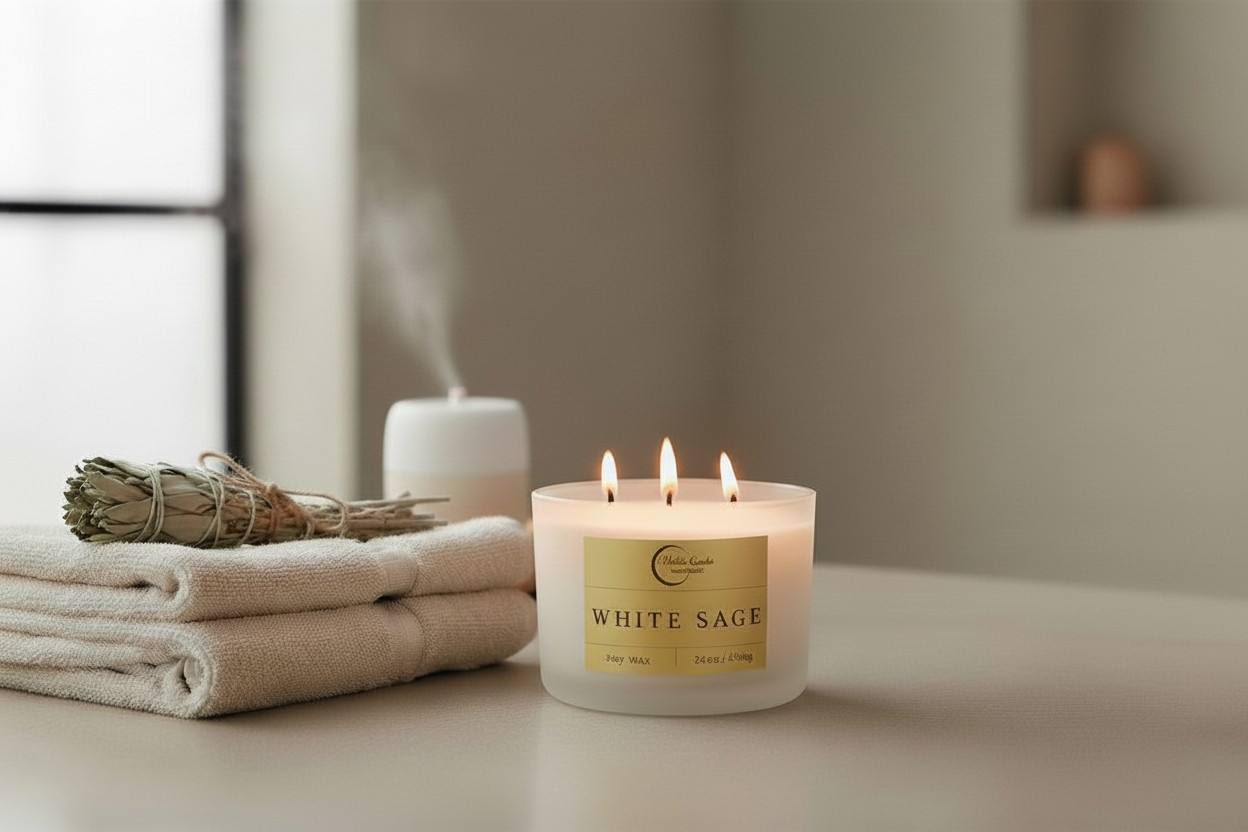
A hand-poured candle has no single standard cost: compare the current listing for the candle’s net wax weight, materials, vessel, and stated burn time rather than treating “hand-poured” as a price tier. Check the checkout total, too—delivery charges and applicable taxes are separate from the candle itself.
TL;DR
How much does a hand poured candle cost? Compare current listings by wax weight, vessel, and stated burn time.
Hand-poured describes a production step, not a guarantee of stronger fragrance or better value.
Maddox Candles offers candles, wax melts, and reed diffusers for different home fragrance routines.
Choose the scent and format you will enjoy using, not packaging you feel obliged to keep.
How much does a hand poured candle cost?
The useful comparison is between specific candles, not between the words on their labels. A simple jar and an elaborate gift vessel are different purchases, even when both candles are poured by hand.
Picture choosing something for the table beside your favorite chair. You want a fragrance you enjoy and a candle that fits your evening—not a jar that looks generous online but leaves you guessing about how much wax it contains.
Maddox Candles suits home fragrance shoppers who want to browse candles, wax melts, and reed diffusers in one place. For any candle you consider, use the individual listing to establish what you are buying; a store’s overall description does not replace product-specific details.
What you’re comparing | What to check | What it does not establish |
Wax quantity | Net wax weight, not just container dimensions | How strongly the candle will smell |
Wax description | The exact wax or blend named on the listing | A universal burn-time advantage |
Vessel and presentation | Container material and included packaging | Better fragrance performance |
Stated burn time | The maker’s estimate and care instructions | Identical results in every home |
Scent description | Listed fragrance notes and your preferences | Whether you will enjoy it when lit |
You do not need to choose the largest candle or the most elaborate presentation. You need enough information to understand the purchase and a reason to look forward to using it.
Why this matters when you’re choosing something cozy
A candle is both an object in your home and something you use up. The container stays in view; the fragrance becomes part of the room while the candle burns. Those are separate reasons to enjoy it.
If the vessel matters to you, include that in your decision. If you mainly want a familiar scent while reading after dinner, focus on the fragrance description, wax quantity, and care requirements instead.
Good value means paying for the parts of the candle you actually want. Decorative packaging is not wasted when presentation is the purpose, but it should not stand in for clear product information.
What goes into a hand-poured candle?
A finished candle brings together wax, fragrance, a wick, and a container or molded form. Making it also involves hands-on work. The phrase “hand-poured” describes how the wax is put into its vessel or mold; it does not tell you everything about those materials or the finished candle.
Wax and fragrance
Read the wax description as written. “Soy blend” and “pure soy” are not interchangeable descriptions, and a general preference for a wax type does not establish how a particular candle performs.
Fragrance deserves the same attention. Look for actual scent notes rather than assuming that a name tells the whole story. A familiar fragrance name can still leave questions about sweetness, woodiness, or floral character.
Wick and vessel
The wick is part of the candle’s design, not a decorative extra. Follow the maker’s instructions rather than assuming that a different wick material automatically means a better candle.
The vessel contributes to what you are choosing, too. A container you love looking at has a different appeal from a plain jar, but appearance alone does not establish burn quality. Keep those judgments separate.
Labor and finishing
Pouring, positioning wicks, labeling, and preparing a candle for sale all involve work. That explains what goes into the object; it does not prove that every handmade candle has received the same development or testing.
Look for clear care instructions and product details. They tell you more about using the candle than a broad claim about craftsmanship does.
Why hand-poured candle costs vary
These are the differences to examine when two candles seem similar:
Wax quantity: Compare net wax weight on the same basis. Container height alone is not a measure of how much candle you receive.
Materials: Check the stated wax blend, fragrance information, wick, and vessel rather than assuming the materials match.
Presentation: Separate the appeal of the candle from the appeal of a box, lid, or decorative container.
Personalization: If customization is offered, establish exactly what changes and what the order includes.
Order total: Check delivery charges and applicable taxes before deciding whether the purchase fits your budget.
These factors explain what to investigate, not how much extra any feature deserves. Your priorities decide that. A gift box matters more when the candle is a present than when it is heading straight to your bedside table.
Compare value without turning candle shopping into homework
Start with the moment you want the candle for. A quiet evening at home calls for a different decision from a housewarming gift, where the recipient’s preferences and the presentation both matter.
Then make a short, like-for-like comparison:
Match the purpose. Decide whether you are buying an everyday candle, a decorative object, or a gift.
Check the details. Read net wax weight, materials, fragrance notes, and care instructions.
Compare the total. Include checkout charges rather than judging only the listing.
Choose your fit. Favor the scent and format you want to use over an impressive description.
Start with how you want to use the candle, then compare the details.
If listings give net wax weight, cost per unit of wax helps compare quantity. It does not measure how much you will enjoy the scent, how the candle burns, or whether the container is worth keeping.
The same limit applies to a cost-per-hour calculation. Use only a burn-time estimate supplied for that exact candle, and treat the result as a comparison aid—not a promise about your own use. More wax and more enjoyment are different things.
Is a distinctive scent worth choosing over a familiar one?
Choose a distinctive fragrance because its description appeals to you, not because unfamiliarity sounds more special. A familiar scent you look forward to lighting is a better personal fit than an unusual one you leave untouched.
The distinction between niche versus classic candle scents belongs in this decision: a less familiar scent profile and a recognizable fragrance offer different experiences, but neither label establishes better value by itself. Read the actual notes and think about what you enjoy having around you.
For your own home, start with preferences you can name. Do you tend to enjoy woody fragrances, florals, or sweeter scents? For a gift, use what you know about the recipient rather than treating your own favorite as a universal choice.
An online description cannot reproduce smelling a candle. That limitation is a reason to choose thoughtfully, not a reason to assume that stronger wording means stronger fragrance.
When is presentation worth prioritizing?
Best for gifting: Choose presentation deliberately when opening the gift is part of the experience. A vessel that suits the recipient’s home can be part of the appeal, alongside the fragrance.
The trade-off is straightforward: packaging does not tell you how the candle will smell when lit. Check the candle details even when the box catches your eye first.
Best for everyday use: Prioritize a scent you enjoy, clear care instructions, and a container that suits where you will use it. A simpler presentation is not a drawback when you do not want an elaborate gift experience.
Its limitation is different: an everyday purchase still needs to fit your routine. If you rarely have time to supervise a lit candle, pause before buying one just because the jar feels right for the room.
Does hand-poured mean a candle is better?
No. Hand-poured identifies a production method; it does not guarantee a longer burn, stronger scent, or cleaner air. Those are separate claims that need their own support.
This does not take away the pleasure of buying something made with hands-on care. It simply keeps that appeal in its proper place. Enjoy the maker’s story while checking the details of the candle you plan to bring home.
For Maddox Candles, the stated candle category is soy blend candles—not a basis for describing every item as pure soy. Read the exact listing before applying any material claim to an individual product.
FAQ
How much does a hand poured candle cost?
A hand-poured candle has no single standard cost. Check current listings and compare net wax weight, materials, vessel, and any stated burn time, then review the checkout total.
Are hand-poured candles worth buying?
Hand-poured candles are worth considering when the scent, product details, and presentation suit what you want. The hand-poured label alone does not establish better performance or value.
Does a larger jar mean I get more candle?
A larger jar does not establish net wax weight. Read the stated wax quantity rather than judging by the vessel’s height or width.
Does a more expensive candle always smell stronger?
Price alone does not establish scent strength. Read the exact fragrance description and any product-specific performance information instead of treating price as a scent rating.
Is a soy blend candle the same as a pure soy candle?
A soy blend candle is not the same material description as a pure soy candle. Use the wording on the individual listing, and do not assume that a general brand description applies to every product.
Should I compare candles by cost per hour?
Cost per hour is a comparison aid only when the maker supplies a burn-time estimate for the exact candle. It does not measure fragrance enjoyment or guarantee how long the candle will last in your home.
One last thing
Before deciding, imagine the candle without its box or product name. Would you still want the listed fragrance and the vessel sitting in your home?
If the answer is yes, you have a reason to choose it that goes beyond the label. Buy the candle you want to use—not the description you feel you should admire.


Comments