

Wax Melts and an Oil Diffuser: Does Your Room Need Both?
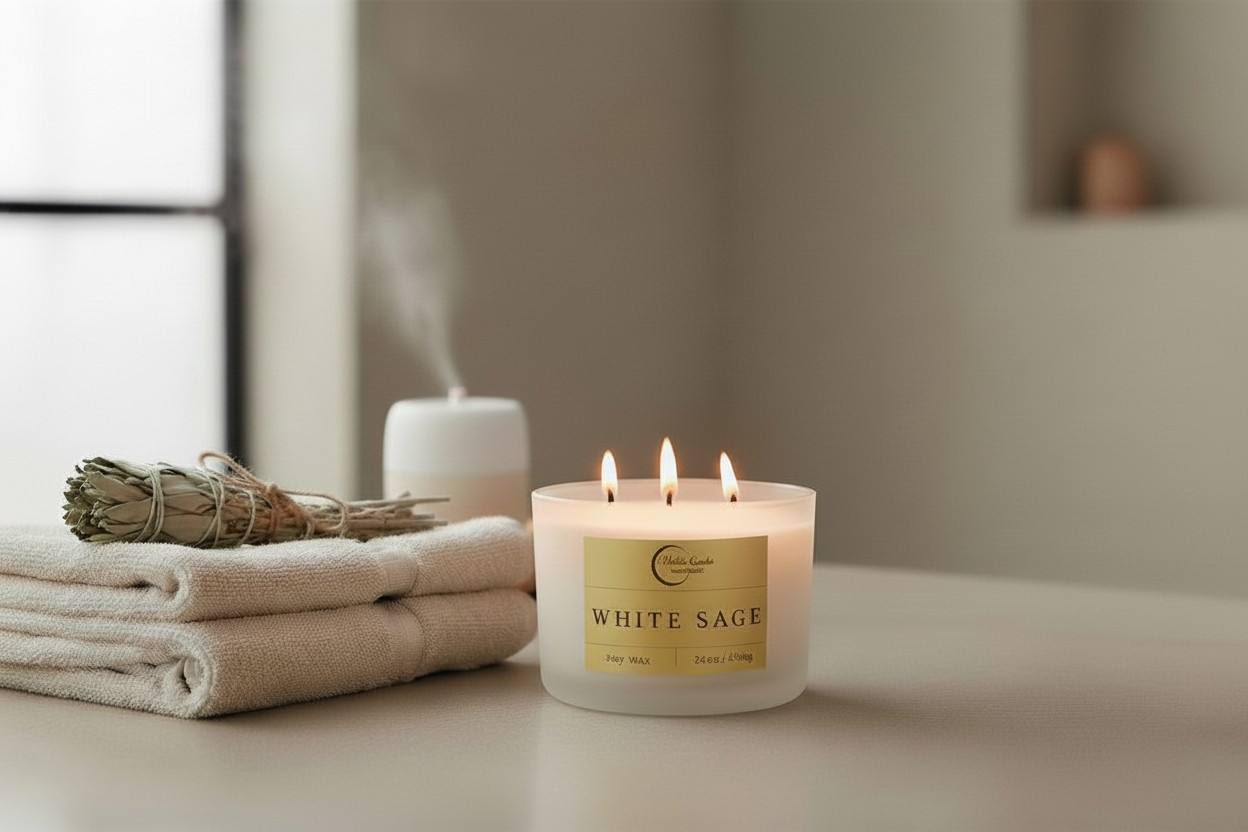
You don’t need both: for wax melts and essential oil diffuser layering, start with one fragrance source and add the other only if you prefer the combination. Instead of switching both on and trying to untangle an overpowering room, test each separately, then bring them together gently—like adjusting the lighting before settling into your favorite chair.
TL;DR
Wax melts essential oil diffuser layering is optional; one fragrance source is often enough.
Keep wax melts in the warmer and approved essential oils in the diffuser; never combine their contents.
Maddox Candles sells wax melts; choose the scent you enjoy alone before experimenting with another fragrance.
Test each scent separately, then change only one setting at a time.
A comfortable room doesn’t need more scent
Perhaps your wax warmer is already making the living room feel inviting, and an essential oil diffuser is sitting nearby. It’s tempting to turn that on, too. But a second fragrance should add something you enjoy, not simply make the first one louder.
Layering means allowing separate fragrance sources to meet in the room—not mixing their contents. An ultrasonic essential oil diffuser and a wax warmer handle different materials. Keep each product in the device intended for it.
If you’re still choosing equipment, start with how to pick the right wax warmer for your wax melts. Get one setup working well before adding another.
Before you start
Read both device manuals. Check the warmer’s permitted wax amount and operating instructions, plus the diffuser’s approved oils, filling method, cleaning requirements, and run settings. This guide covers a water-based ultrasonic essential oil diffuser, not every device called a diffuser.
Gather separate supplies. You’ll need wax melts, a suitable warmer, an ultrasonic diffuser, an essential oil approved for that diffuser, and the water specified by its manufacturer. Start with clean equipment so yesterday’s fragrance doesn’t become an accidental ingredient.
Check the easy-to-miss distinction. Reed diffuser liquid, candle fragrance oil, and essential oil are not interchangeable. Never put melted wax in an essential oil diffuser or add oil to a wax warmer unless that warmer’s manufacturer explicitly permits that use.
Choose a room where everyone present welcomes fragrance. If someone prefers an unscented space, keeping both devices off is the better setup. Don’t use this experiment to establish suitability around babies, pets, or someone with a respiratory condition; those situations need advice specific to the people, animals, and products involved.
Which setup fits your evening?
There isn’t a prize for using every fragrance device you own. Choose the simplest arrangement that gives you the atmosphere you want.
Setup | Best for | What it offers | What to watch |
Wax warmer alone | Enjoying a favorite wax melt without another scent competing | A straightforward way to judge the melt’s fragrance | A hot dish and wax that need careful handling |
Essential oil diffuser alone | Enjoying an approved essential oil by itself | A separate fragrance option with settings determined by the device | Water changes, cleaning, and model-specific oil instructions |
Both together | Experimenting after you already enjoy each scent separately | The chance to create a combination you prefer | More variables, more cleanup, and a greater chance of too much fragrance |
Alternating devices | Enjoying different fragrances at different times | Variety without deliberately running both together | Lingering scent can still overlap |
Maddox Candles wax melts are best for home fragrance shoppers who want to choose a room scent without needing a second device. Adding an essential oil diffuser is a preference, not a missing step.
Your wax warmer baseline
Start with the wax because you need to know what the room smells like before adding another fragrance. Think of this as choosing the main scent, rather than building a blend immediately.
Clean the dish. With the warmer off and handled according to its instructions, remove old wax and residue. Follow the manufacturer’s cleaning method; don’t scrape or rinse a hot dish.
Add the permitted amount. Use the warmer and wax packaging instructions rather than guessing from the size of the room. Don’t fill the dish to its rim or add more wax just because the fragrance seems quiet at first.
Position the warmer. Choose a stable, suitable surface away from edges, reachable cords, and anything the manufacturer says to keep clear. Leave the diffuser off.
Evaluate from your usual seat. Let the warmer operate as directed, then notice the fragrance where you actually spend time—not with your face above the dish.
Expected result: you can decide whether the wax melt alone feels pleasant, too noticeable, or unnecessary. If it already gives you the room you wanted, stop here.
Old fragrance makes this judgment harder. The guide to cleaning a wax warmer between scents covers that reset before your next experiment.
Your diffuser baseline
Test the diffuser separately before asking it to share the room. A fragrance you don’t enjoy by itself is not a dependable starting point for a combination.
Switch off the warmer. Allow it to cool safely and let the room’s previous fragrance diminish. Ventilate normally rather than adding another scent to cover what remains.
Prepare the diffuser. Follow its instructions for water type, fill level, and essential oil quantity. There is no universal drop count that applies to every oil and diffuser.
Choose the least intensive permitted setting. If your model offers an intermittent or lower-output setting, use the manufacturer’s description to select it. Don’t assume every diffuser has those controls.
Assess the fragrance on its own. Notice whether you enjoy it from your normal place in the room. Keep the device on a suitable surface and follow its placement guidance, including protection from moisture where required.
Expected result: you know whether the essential oil is welcome by itself and which permitted setting you want to try. If the diffuser alone feels excessive, don’t add the warmer.
You also have a fair stopping point here. Enjoying the diffuser by itself is a complete result, not a failed layering attempt.
The combined setup
Once both fragrances work separately, bring them together without changing everything at once. The goal is a room you enjoy sitting in—not a mixture you can only appreciate close to the devices.
Choose the lead scent. Decide whether the wax melt or essential oil should be the fragrance you notice first. Keep that choice consistent during this trial.
Place the devices separately. Give each device its own suitable position, following its instructions. Don’t put diffuser mist over the warmer, electrical connections, or surfaces that shouldn’t get damp.
Introduce the second source gently. Use its least intensive permitted operation. Don’t increase the wax quantity and the diffuser output together.
Check the occupied space. Return to your chair, desk, or sofa. Ask whether the combination is more pleasant than either scent alone.
Remove before adding. If the room feels crowded with fragrance, switch off the secondary source. Don’t add a third scent to correct it.
Expected result: you can identify a combination you prefer—or confidently choose a single source instead. Both outcomes answer the question.
Test each fragrance alone before deciding whether the room benefits from both.
Write down the wax melt name, essential oil label, device settings, and what you liked. A short note such as softer next time is more useful than trying to remember an exact impression later. Keep product handling instructions with the products rather than replacing them with your experiment notes.
Prefer variety? Alternate instead of layering
Sometimes the nicest combination is no combination at all. You might enjoy one fragrance while reading and a different one when you tidy up later, without wanting both in the air together.
Switch off the first device and follow its shutdown instructions.
Let the room’s fragrance diminish before introducing the next one.
Prepare the second device with its own approved materials.
Judge the new fragrance before deciding whether you want any overlap.
Expected result: you get variety while keeping each fragrance easier to recognize. This is a useful starting point when simultaneous layering feels muddled.
The same restraint applies when layering wax melt scents: decide which fragrance you want to lead, then judge whether the second improves the room. That describes the scent decision, not permission to mix materials in a device.
Alternating also makes cleanup and preference notes easier to follow. If you dislike the result, you know which fragrance was running rather than wondering whether the combination, the output, or old residue caused the problem.
When the room doesn’t smell quite right
The combination feels overpowering
Switch off the secondary fragrance source and ventilate the room normally. Don’t try to balance an excessive fragrance with another one.
For the next trial, change only one permitted setting or use just one device. If anyone feels uncomfortable, stop the fragrance experiment rather than asking them to get used to it.
Both scents are pleasant alone but unpleasant together
Use them at different times. Enjoying two fragrances separately doesn’t mean you’ll enjoy their overlap.
Changing their proportions is optional, not a task you have to finish. A single favorite scent is the simpler answer when the blend keeps disappointing you.
You can’t tell which scent is taking over
Return to separate trials with clean equipment. Keep the wax melt and essential oil unchanged while you evaluate each device individually.
Avoid changing placement, fragrance, and output together. Otherwise, you lose the baseline that makes the next decision useful.
The fragrance seems to disappear
Step away to an unscented area before deciding to add more. Your perception can change during continued exposure, so immediately increasing both devices is a poor way to judge the room.
Then check each device according to its manual. Confirm the setup is correct before treating a quieter impression as a reason to increase fragrance.
There’s mist, residue, or a spill near the devices
Stop using the affected setup and follow the manufacturer’s shutdown and cleaning instructions. Let hot wax cool before handling it, and keep liquids away from electrical parts.
Correct the placement before restarting. Don’t treat moisture landing on the warmer or nearby furniture as part of normal scent layering.
Make the routine yours
Keep the fragrance routine tied to the way you use the room. A shared living room calls for agreement; a meal at the table might be more enjoyable without added scent competing with the food.
Maddox Candles offers wax melts, candles, and reed diffusers, but those formats don’t need to run together. A passive reed diffuser is also different from the ultrasonic essential oil diffuser described here: it uses reeds and its own intended liquid, not an electrical mist setting.
For your next experiment, change the fragrance or the device setting—not both. Keep the combinations you genuinely prefer and drop the ones that require constant adjustment. Your home doesn’t need to become a scent-testing project to feel welcoming.
FAQ
Can I use wax melts and an essential oil diffuser in the same room?
You can use them as separate fragrance sources when each device is operated according to its instructions and everyone using the room welcomes fragrance. Test each alone first, then stop if the combination feels excessive or uncomfortable.
Can I put wax melts in an essential oil diffuser?
No—keep wax melts out of an essential oil diffuser. Use wax melts in a suitable warmer and only the materials approved for your diffuser in its reservoir.
Can I add essential oils to my wax warmer?
Only use essential oils in a warmer if its manufacturer explicitly permits that use. Don't assume a wax-melt dish is designed for undiluted oil or an oil-and-water mixture.
How many drops of essential oil should I use when layering with wax melts?
Use the quantity specified by your diffuser and essential oil instructions; there is no universal layering drop count. Don't exceed those directions to compete with a wax melt's fragrance.
Which wax melt and essential oil scents go together best?
The best pairing is one you prefer after testing both fragrances separately and then together. Start with a clearly chosen lead scent, and alternate the fragrances instead if their overlap isn't pleasant.
Does my room need both a wax warmer and an oil diffuser?
No—a single fragrance source is enough if you already enjoy the room. A second device adds another scent and another maintenance routine, not a guaranteed improvement.
Is a reed diffuser the same as an essential oil diffuser?
No—a passive reed diffuser uses reeds to release fragrance from its intended liquid, while the ultrasonic device covered here uses a powered mechanism and a manufacturer-specified water-and-oil setup. Don't swap their liquids or apply the same operating instructions to both.
One last thing
Before switching on the second device, sit where you planned to spend the evening. If the room already feels inviting, leave the other one off.
That small pause is the most useful part of layering. You’re choosing what makes the space pleasant, not trying to use everything on the shelf.


Comments