

Restaurant Candlelight: Let the Food Have the Fragrance
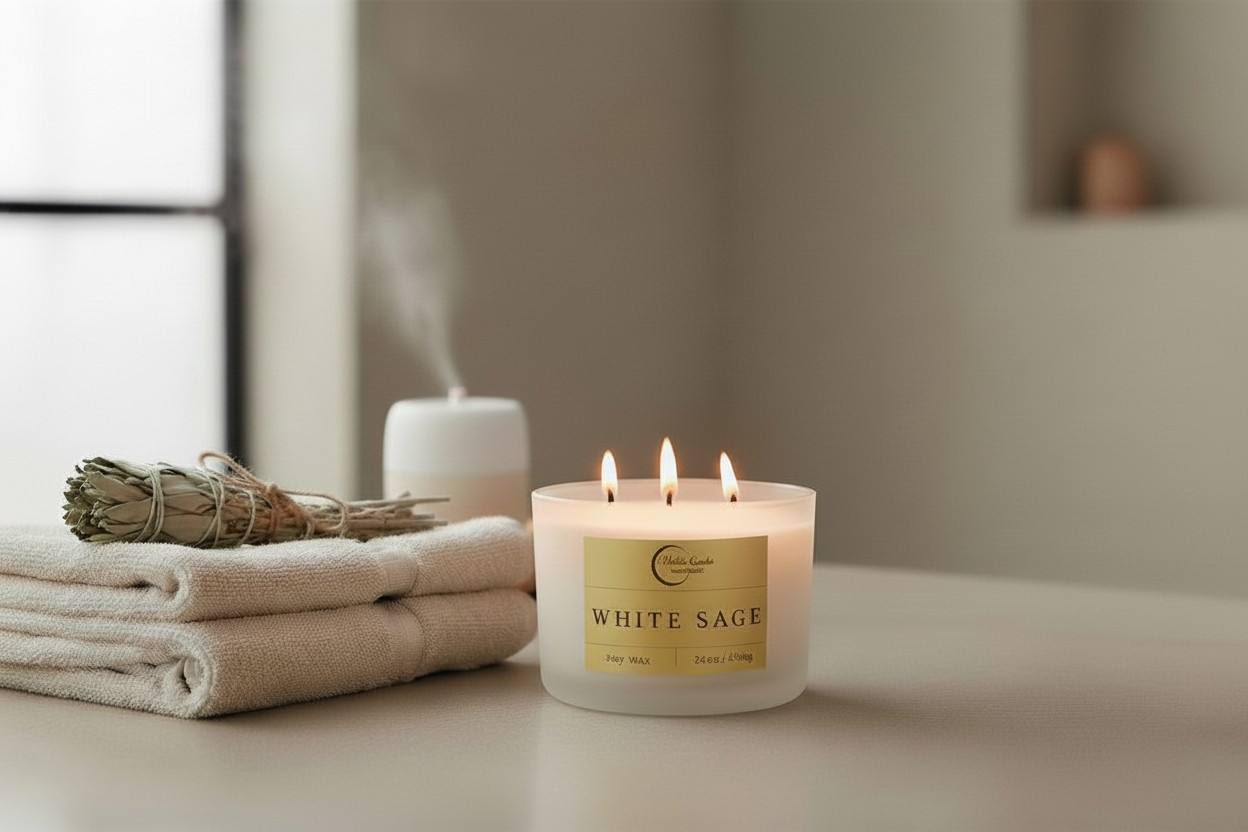
When choosing scented candles for restaurants, keep added fragrance away from dining tables and let the food provide the aroma. Picture a guest leaning toward a bowl of soup or lifting a glass of wine: the scent reaching them should belong to what you served, not the centerpiece.
TL;DR
Scented candles for restaurants belong away from food service; choose fragrance-free table lighting instead.
Maddox Candles sells home fragrance; restaurant use needs a separate decision about guests, food, and placement.
LED candles provide a candlelight effect without an open flame or added fragrance.
Check local fire requirements before using real candles, including unscented ones.
Why fragrance needs a different role in restaurants
A restaurant isn't a living room. Guests share the air, employees work in it throughout service, and food already brings its own changing aromas. A fragrance you enjoy at home doesn't automatically belong beside someone else's dinner.
Smell contributes to flavor perception, as the National Institute on Deafness and Other Communication Disorders explains in its guidance on smell disorders. Keep dining-room fragrance out of the way rather than trying to match it to the menu. A bakery-inspired candle still adds a smell that isn't coming from the plate.
Maddox Candles offers scented candles, wax melts, reed diffusers, and custom scent options for home-fragrance shoppers. That makes it a place to explore personal fragrance preferences—not evidence that added scent is right for a restaurant.
You can build a welcoming room with light, comfortable seating, clean surfaces, and thoughtful service. Fragrance is optional. In dining areas, leaving it out is a deliberate hospitality choice.
Plan the room before choosing a candle
Check your fire rules before buying
Start with the rules that apply to your premises. Ask your local fire authority about open flames, approved holders, placement, and any permit requirements; also check your lease and insurance conditions. Don't assume a candle is permitted because another restaurant uses one.
An enclosed holder doesn't settle every question. Your staff still need a workable way to light, monitor, and extinguish candles during a busy service. If that responsibility doesn't fit the room, choose lighting without a flame.
Confirm requirements with the local authority responsible for fire safety.
Check lease, venue, and insurance restrictions before selecting holders.
Decide who monitors flames and who extinguishes them at closing.
Separate dining tables from other spaces
Walk through your restaurant before adding anything. Sit where guests sit, wait where they wait, and notice whether the entrance opens directly into the dining room. A reception shelf isn't a separate scent zone simply because it stands away from the tables.
Give each area a clear role. Dining tables should stay free of added fragrance. A separate lobby still needs its own assessment, while a retail display can introduce a home-fragrance product without burning it during service.
Restrooms deserve attention to cleaning and ventilation first. A stronger fragrance isn't a substitute for finding the source of an unpleasant smell.
Dining tables: use fragrance-free lighting and leave food aromas alone.
Separate lobby: assess shared airflow and guest comfort before considering scent.
Retail display: distinguish products intended for home use from room fragrance.
A different corner is not automatically a separate fragrance zone.
Choose the atmosphere before the fragrance
Ask what you actually want the candle to do. If the answer is soften the table, make an evening feel intimate, or add a small point of light, fragrance isn't necessary. Try your existing dimmable lighting before buying another accessory.
LED candles are best for a candlelight effect without an open flame. Unscented candles suit operators who specifically want a real flame and can meet the relevant requirements. Neither choice needs a scented companion to feel welcoming.
Maddox Candles scented candles aren't the recommendation for this dining-table task: the business offers home fragrance, while the need here is light without perfume. Keep those two purposes separate when shopping.
Adjust existing lighting first, keeping menus and walking routes easy to see.
Choose LED candles when the visual effect matters more than a real flame.
Consider unscented candles only where open flames are permitted and manageable.
Evaluate any separate-area fragrance before service
If you still want fragrance in a genuinely separate, non-dining area, assess it without guests present first. Start with the space as it is. Check whether cleaning, waste removal, or maintenance would solve the issue you're trying to address.
Then follow the specific product's instructions and assess the adjoining spaces as well as the intended location. Don't judge only from the spot beside the candle or diffuser. Check from a seated guest's position and from the route a server takes into the dining room.
A staff member's enthusiasm isn't proof that every guest will welcome the same scent. If fragrance reaches dining tables, remove the source rather than adding another scent to balance it.
Evaluate the unfragranced room before introducing a product.
Check adjoining areas, doorways, and seated positions during the assessment.
Stop if fragrance enters the dining space or someone reports discomfort.
Build candle care into the service routine
For permitted real candles, use the manufacturer's instructions alongside established fire-safety guidance. The National Candle Association advises trimming a wick to 1/4 inch before lighting and keeping burning candles at least 12 inches from anything that can burn. Its guidance also calls for stable, heat-resistant surfaces and keeping candles away from drafts.
Those are basic precautions, not a restaurant approval checklist. Napkins, paper menus, sleeves, and shifting table arrangements make placement an ongoing responsibility. Never move a burning candle to make room for another plate.
Choose LED lighting if staff cannot consistently supervise real flames. A warm-looking table isn't worth a care routine that falls apart when the room fills.
Inspect candles and holders before service and follow their care instructions.
Keep flames clear of combustible items, drafts, and busy passing routes.
Assign an explicit extinguishing check rather than assuming someone handled it.
Make guest feedback easy to act on
Give staff a simple response when a guest dislikes added fragrance: acknowledge it and remove the source. Don't ask the guest to debate whether the smell is pleasant, mild, or natural. Their table doesn't need to become a conversation about your candle choice.
Employees should have the same opportunity to raise concerns. They spend longer in the space and need a clear person to contact when a fragrance or candle setup isn't working.
Record the location and what changed so the next shift doesn't repeat the problem. Feedback should guide removal, not a search for an even more complicated scent arrangement.
Tell staff who can remove fragrance sources immediately.
Record the affected area and the action taken.
Keep fragrance-free dining as the default, not a special accommodation.
Compare the options by the job they do
Choose lighting for atmosphere and maintenance for unwanted odors. Added fragrance is a separate decision, not an automatic improvement to either one.
Option | Best for | Main advantage | Key limitation |
Existing adjustable lighting | Dining rooms that already have suitable fixtures | Changes the atmosphere without adding table objects or scent | Depends on the installed lighting and controls |
LED candles | Tables needing a candlelight effect | No open flame or added fragrance | Batteries or charging need attention; appearance varies |
Unscented candles | Permitted settings where a real flame matters | Candlelight without intentionally added perfume | Still requires fire-rule checks and active supervision |
Scented candles | Personal fragrance use away from food service | Combines fragrance and candlelight | Adds both scent and an open flame; not recommended for dining tables |
Wax melts and warmers | Separate spaces where fragrance is deliberately wanted | Releases fragrance without burning a candle wick | Adds scent, heat, equipment, and a cleaning task |
Reed diffusers | Separate spaces where passive fragrance is acceptable | Doesn't require a flame or powered warmer | Still releases fragrance; liquid placement and spills need attention |
No added fragrance | Dining rooms and scent-sensitive shared spaces | Leaves food aromas unobstructed by room perfume | Doesn't create a separate fragrance impression |
Flameless doesn't mean fragrance-free. Wax melts and reed diffusers solve a different problem from LED candles: they add scent rather than simply adding light.
Passive reed diffusers also aren't ventilation equipment. Follow their placement instructions; don't attach them to fans, vents, air purifiers, or HVAC systems.
Common mistakes restaurant owners make
Matching a candle to the menu
Coffee, fruit, or baking-inspired fragrance can sound like an easy fit for a café or dessert service. But a related aroma is still an added aroma. Let the actual coffee, pastry, or meal introduce itself. Save scent exploration for a setting where fragrance is the point.
Using fragrance to cover a maintenance problem
A candle doesn't remove the source of drain, waste, grease, or damp smells. Investigate the cause and involve the appropriate cleaning or maintenance professional. Adding fragrance can leave you with the original problem and another smell to manage.
Treating unscented candles as rule-free
Removing perfume doesn't remove the flame. An unscented candle still needs suitable placement, a safe holder, supervision, and compliance with local requirements. If you only want the glow, an LED candle avoids that particular responsibility.
Choosing from an empty-room impression
The room before opening isn't the full guest experience. Food arrives, doors open, staff move between areas, and tables fill. Don't treat a pleasant pre-service impression as proof that added fragrance belongs throughout dinner.
Assuming home-fragrance products are restaurant equipment
Maddox Candles sells home-fragrance products; that doesn't establish commercial suitability, professional installation, or restaurant-specific services. Assess the intended use and product instructions without filling in promises the retailer hasn't made.
FAQ
Should restaurants use scented candles on dining tables?
Keep scented candles off restaurant dining tables and choose fragrance-free lighting instead. Food and drinks already supply aromas, and guests share the surrounding air.
What's the best alternative to scented candles for restaurant atmosphere?
LED candles are best for a candlelight effect without an open flame or added fragrance. Adjusting your existing lighting is another useful first step before adding table accessories.
Can I use unscented candles in my restaurant?
Use unscented candles only after checking the fire requirements and other conditions that apply to your premises. Removing fragrance doesn't remove the need for safe holders, placement, and supervision.
Are wax melts better than candles for a restaurant dining room?
Wax melts aren't a better choice when the aim is to keep dining-room air free of added fragrance. They release scent and require a suitable warmer, even though they don't have a burning candle wick.
Can a restaurant put a reed diffuser in the entrance?
Assess the entrance separately before considering a reed diffuser, especially if it opens directly into the dining room. Follow the manufacturer's placement instructions and remove it if fragrance reaches dining tables or causes discomfort.
Will a scented candle get rid of kitchen or restroom odors?
A scented candle doesn't fix the source of kitchen or restroom odors. Address cleaning, waste, ventilation, or maintenance needs rather than adding fragrance over the problem.
What should staff do when a guest dislikes the fragrance?
Remove the fragrance source promptly and acknowledge the concern without arguing about scent preferences. Give staff clear authority to act and record the location so the next shift doesn't repeat the issue.
One last thing
Before ordering candles, set a table after dusk and look at it from the guest's chair. Adjust the light, remove an unnecessary object, and check whether you can read the menu comfortably.
You might already have the atmosphere you wanted. A welcoming restaurant doesn't need a signature room fragrance; it needs space for the meal to speak.


Comments