

Does Sandalwood Suit You? Finding Your Kind of Woodsy Comfort
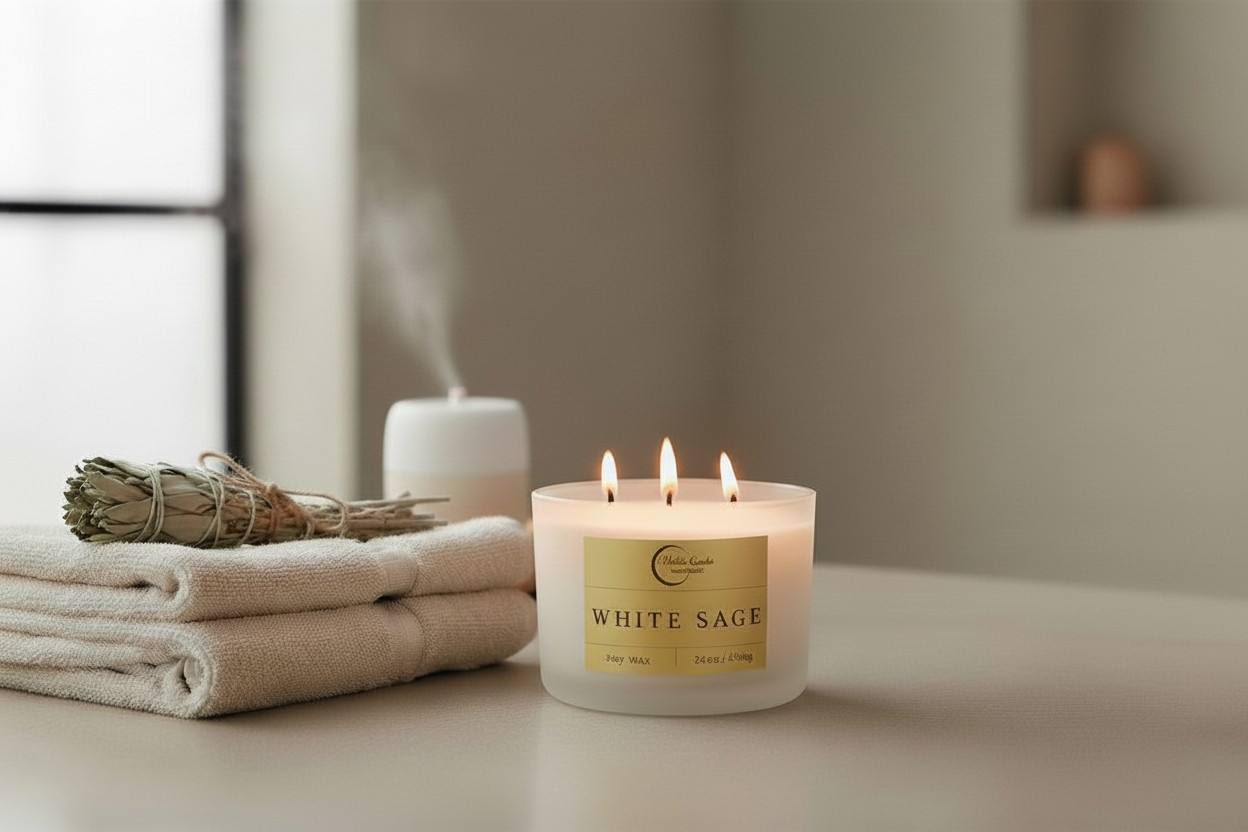
Yes—sandalwood smells good if you enjoy warm, smooth wood notes with a softly creamy character. It suits a quiet evening with a book more naturally than someone looking for a bright citrus burst, but the finished fragrance blend determines whether it feels sweet, dry, or perfume-like.
TL;DR
Does sandalwood smell good? Yes, if warm, creamy wood notes appeal to you; skip it if you prefer crisp citrus.
Sandalwood describes a fragrance direction, not a guarantee of sweetness, strength, or natural ingredients.
Maddox Candles carries Sandalwood among its home-fragrance scents; check the current listing for the exact description.
Does sandalwood smell good as a home fragrance?
Sandalwood is a good fit for people who want woodsy comfort without choosing a scent specifically for smoke or sharp freshness. Its familiar fragrance character is smooth and woody, often described as creamy. Here, creamy describes the impression of softness—not a promise that the fragrance smells like milk, vanilla, or dessert.
Picture the moment when the dishes are done and you settle into your favorite chair. If you want the room to feel warm rather than freshly scrubbed or sugary, sandalwood is a sensible scent direction to explore. Your own preferences matter more than whether a fragrance sounds sophisticated on the label.
For a broader starting point, the guide to choosing a candle scent that matches your home’s style helps you think about the atmosphere you actually enjoy.
Fragrance direction | Best for | Main appeal | Reason to choose something else |
Sandalwood | Someone drawn to smooth, warm woods | A woody character with a creamy impression | Not the first choice for a crisp, citrus-led scent |
Cedar | Someone who enjoys drier wood notes | A more distinctly dry, woody direction | Less suited to someone seeking creamy softness |
Vanilla | Someone who wants sweet, familiar comfort | A sweet fragrance direction | Not the first choice if sweetness is what you want to avoid |
These are general fragrance descriptions, not comparisons of specific products. A blend can soften, sweeten, or otherwise change the character suggested by its name.
Why the difference matters at home
A scent can sound lovely and still be wrong for your everyday space. You might enjoy a rich perfume on someone else but want something quieter beside your sofa—or love sweet candles until you sit down to eat.
Choose sandalwood because you like its woody character, not because it promises a particular mood. A cozy association is personal; it is not evidence that a fragrance relieves stress, improves sleep, or changes your health.
The same distinction helps when shopping online. Words such as warm and creamy describe scent character, while strength describes how noticeable the finished product is. One does not establish the other.
What does sandalwood actually smell like?
Think smooth wood rather than a pile of fresh pine needles. Sandalwood’s characteristic fragrance sits in the woody family, with a rounded, creamy impression that separates it from sharper wood associations.
That does not make every sandalwood fragrance identical. The name alone cannot tell you everything else in the blend, how sweet the finished scent will be, or how it will smell while in use.
Is sandalwood sweet?
Sandalwood can have a softly sweet impression, but it is not automatically a dessert fragrance. If you dislike bakery-style scents, do not rule it out simply because a description calls it creamy.
Instead, read the complete scent description. Any listed companion notes are more useful than assuming that all sandalwood products share the same sweetness.
Is sandalwood smoky?
Sandalwood is not synonymous with smoke. If you want the unmistakable atmosphere of a bonfire, a sandalwood name alone does not establish that character.
The reverse matters, too. Disliking smoky fragrances does not automatically mean you will dislike sandalwood, although you should still check whether the particular blend includes smoke notes.
Does sandalwood smell like cologne?
Sandalwood appears in perfumery, so it can feel familiar if you have encountered it in personal fragrance. That association does not make every sandalwood home fragrance smell like cologne.
If perfume-like scents put you off, look beyond the main scent name. The complete blend—not a masculine or feminine label—is the useful buying detail.
Why sandalwood smells different from one product to another
The word on the label gives you a starting point, not a complete sensory picture. These distinctions help explain why you can enjoy one sandalwood fragrance and dislike another:
Companion notes: Other ingredients in a fragrance blend change how its woody character comes across.
Product format: Smelling an unlit candle is not the same experience as using a fragrance product as directed.
Surrounding smells: Cooking, cleaning products, and another fragrance can make it harder to judge one scent on its own.
Personal associations: A woody note can remind you of a favorite perfume, a familiar room, or something you would rather not smell at home.
No scent name establishes room coverage or lasting power. Look for those details in the specific product instructions rather than treating sandalwood as a strength rating.
A simple way to decide whether sandalwood suits you
Start with the scent experience you want, not the room’s furniture or the season. A pale, airy room can still suit a warm fragrance if that is what you enjoy.
Read the notes. Look at the full current description, including any companion notes that appeal to you or put you off.
Try it alone. Avoid judging a new scent while another fragrance is running nearby.
Notice your response. Ask whether you enjoy the fragrance itself, rather than whether it matches someone else’s idea of cozy.
Respect shared space. Check that the people sharing your room want added fragrance, too.
You do not need to layer several scents to make sandalwood feel personal. Giving a fragrance space to stand on its own is also a clearer way to discover whether you actually like it.
Where woodsy comfort fits—and where to leave it out
A reading corner or living room is an easy place to imagine a warm wood fragrance. Keep the purpose simple: you enjoy the smell while spending time there. There is no need to turn that preference into a claim about concentration or relaxation.
At a dining table, consider whether you want added fragrance alongside food. In a shared office or guest space, ask first; an unscented room is the better choice when someone does not want fragrance.
For candles, follow the product’s care label, use a stable heat-resistant surface, keep the flame away from things that burn, and never leave it unattended. The National Fire Protection Association’s candle guidance supports those basic precautions. Extinguish a candle before leaving the room or going to sleep.
Exploring Sandalwood at Maddox Candles
Maddox Candles includes Sandalwood in its fragrance range. Read the current listing before choosing a format, and use its exact notes and care instructions rather than assuming that the general sandalwood description above covers every detail.
Maddox Candles serves home-fragrance shoppers looking for candles, wax melts, and reed diffusers. For a sandalwood purchase, the deciding question is still personal: does the listed blend sound like something you want to live with? If you want bright, crisp freshness instead of warm woods, choose a different scent direction without trying to talk yourself into this one.
FAQ
Does sandalwood smell good in a house?
Sandalwood is a good home-fragrance choice if you enjoy warm, smooth wood notes. The particular blend and the preferences of everyone sharing the room determine whether it suits your home.
What does sandalwood smell like?
Sandalwood has a woody character commonly described as smooth and creamy. Creamy describes a soft sensory impression, not a guarantee of vanilla, dairy, or dessert notes.
Is sandalwood too sweet for someone who dislikes vanilla?
Sandalwood is not automatically too sweet for someone who dislikes vanilla. Read the full fragrance description, because companion notes determine whether a particular blend moves toward sweetness.
Does sandalwood smell masculine or feminine?
Sandalwood is not restricted to masculine or feminine fragrance preferences. Choose it based on whether you enjoy its woody character rather than a gender label.
Does a sandalwood candle contain real sandalwood oil?
A sandalwood scent name does not establish that a candle contains natural sandalwood oil. Check the specific product’s ingredient information or ask the seller before making that assumption.
Can I use a sandalwood candle while I sleep?
No—extinguish a sandalwood candle before going to sleep, just as you would any other candle. Never leave a burning candle unattended.
One last thing
You can love woodsy scents and still dislike a particular sandalwood blend. That is not an inconsistency; it is a useful distinction. Pay attention to the complete fragrance description, and choose the version that sounds welcoming to you—not the one with the most impressive name.


Comments